Are Energy Star Refrigerators Worth It?
The Energy Star label saves real money over a fridge's life, but how much depends on the model you replace and what you actually buy.
Are Energy Star refrigerators worth it? For most buyers, yes, but the honest answer is smaller and more conditional than the marketing suggests. An Energy Star certified refrigerator uses meaningfully less electricity than a non-certified model of the same size and type, which trims your power bill every month it runs. The catch is that a refrigerator already sips power compared with a dryer or an air conditioner, so the dollar savings are steady rather than dramatic, and they only pay off if you keep the fridge long enough.
The short version: if you are replacing a fridge that is more than a decade old, the efficiency gain is large enough to notice on your bill, and the label is an easy yes. If you are choosing between two new fridges that both run efficiently, the certification matters less than picking the right size and type for your kitchen. Below we walk through what the label actually guarantees, the real yearly savings you can expect, the payback math, and when it should and should not sway your decision.

What the Energy Star Label Actually Means
Energy Star is a certification run by the U.S. Environmental Protection Agency. A refrigerator earns it by using a set amount less energy than the federal minimum standard for its size and configuration. That is the whole promise: the appliance has been tested and verified to run more efficiently than a baseline model of the same type. It does not mean the fridge is the most efficient on the market, that it is better built, or that it will last longer. It is a floor, not a ranking. Two certified fridges can still differ in energy use, which is why the yellow EnergyGuide label on the unit matters just as much. That label lists the estimated annual kilowatt-hours and a dollar estimate, letting you compare two models directly instead of relying on the badge alone.
The Real Yearly Savings, in Plain Numbers
A modern certified refrigerator typically uses somewhere in the range of a few hundred kilowatt-hours a year, while older or non-certified models of the same size can use noticeably more. At a typical U.S. electricity rate, the difference between an efficient new fridge and a basic non-certified one of the same size often lands in the ballpark of fifteen to forty dollars a year. That is real money, but it is not life-changing on its own. The far bigger gap shows up when you compare a new certified fridge against a fridge from ten or fifteen years ago, because older units ran far less efficiently and many have worn-out seals and tired compressors. Replacing an aging fridge with an efficient new one can cut that appliance's running cost by a wide margin, which is where the label genuinely earns its keep.
Does the Savings Pay Back the Higher Price?
Here is the part the marketing skips: certification does not automatically mean a higher price. Plenty of efficient refrigerators are priced right alongside non-certified ones, so you are not always paying a premium to begin with. When there is a price gap, the payback math is simple. Take the price difference between the two models and divide it by the yearly energy savings, and you get the number of years it takes to break even. If an efficient model costs little or nothing extra, it pays back immediately. If it costs a meaningful amount more, the payback can stretch past the years you plan to keep it, in which case the cheaper fridge is the smarter buy. Always run that quick division rather than assuming the certified model is the better value.
When the Label Should Sway Your Decision
The certification matters most in a few specific situations. If you are retiring an old fridge, the efficiency jump is large and the savings are easy to feel on your bill. If the fridge will run in a hot garage or a busy household where it cycles constantly, lower energy use compounds over the years. If you are buying a second fridge or a chest freezer that will run twenty-four hours a day in a basement, an efficient model keeps that always-on cost down. And if utility rebates are on the table, many local power companies offer a discount or a recycling credit specifically for certified appliances, which can wipe out any price difference in one step. In all of these cases, the label is a clear point in a model's favor.
When It Matters Less Than You Think
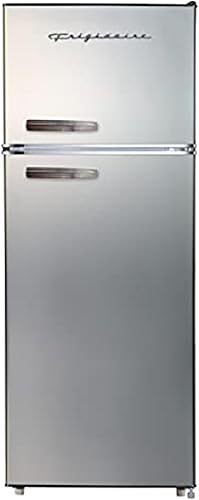
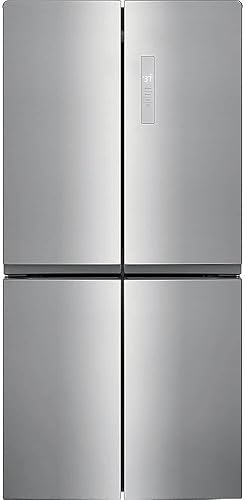
If you are comparing two new refrigerators that are both reasonably modern, the efficiency difference between them is often small, and other factors should drive the decision. Size and type matter far more for both your bill and your daily life. A larger fridge uses more power than a smaller one regardless of any label, and a side-by-side or a model with a through-the-door dispenser tends to use more than a simpler top-freezer of the same capacity. Buying a fridge that is bigger than you need, or stuffed with energy-hungry features you will not use, can erase the savings the certification was supposed to deliver. In other words, choosing the right size and configuration for your kitchen does more for your running cost than the badge alone.
How to Compare Two Fridges Before You Buy
Skip the guesswork and read the numbers. Find the estimated annual energy use, listed in kilowatt-hours, on each model's EnergyGuide label or spec sheet, and compare them directly. A lower number means a lower running cost, certification or not. Then weigh that against the upfront price and how long you plan to keep the appliance. Factor in your local electricity rate if you want a precise figure, since savings stretch further where power is expensive. Finally, check whether your utility offers a rebate for an efficient model or a credit for recycling your old one. When you browse our refrigerator picks, look at the size, the type, and the listed energy use together rather than chasing the badge in isolation, and you will end up with a fridge that fits your kitchen and your bill.
Frequently asked questions
How much does an Energy Star refrigerator save per year?
Against a non-certified model of the same size, savings are usually modest, often in the range of fifteen to forty dollars a year. The savings are far larger when you replace an old fridge from ten or more years ago, which ran much less efficiently.
Do Energy Star refrigerators cost more to buy?
Not always. Many certified models are priced alongside non-certified ones. When there is a premium, divide the extra cost by the yearly energy savings to see how many years it takes to break even before deciding.
Is the Energy Star label the best way to judge efficiency?
It is a useful filter, but the EnergyGuide label's estimated annual kilowatt-hours lets you compare two models directly. A lower kWh number means a lower running cost, certified or not.
Does fridge size affect the savings?
Yes. A larger refrigerator uses more electricity than a smaller one regardless of certification, and feature-heavy models like dispensers use more than simpler ones. Right-sizing the fridge does more for your bill than the badge alone.