Are Smart Refrigerators Worth It? A Buyer's Honest Take
Smart fridges promise convenience, but do they deliver value? We analyze specs, prices, and buyer feedback to help you decide if the extra cost is justified for your household.
For most households, a smart refrigerator is not worth the premium unless you specifically crave remote diagnostics, internal cameras, or voice assistant integration. The core job of keeping food cold hasn't changed, and a basic model from a reliable brand often provides better long term satisfaction at a lower price.
Smart refrigerators add features like Wi Fi connectivity, touchscreens, and app control that can simplify grocery lists or alert you when the door is ajar. But these extras come at a significant cost, both upfront and in potential repairs. To answer "are smart refrigerators worth it" honestly, you need to weigh the convenience against the price tag, reliability concerns, and whether those features will still feel useful a year later.


The Core Question: Do Smart Features Improve Food Storage?
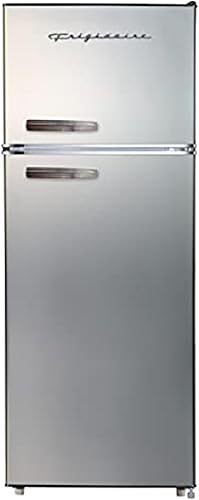
No, smart features do not improve the fundamental performance of keeping food cold. A $329 Frigidaire EFR753-PLATINUM with manual defrost and no Wi Fi will preserve your groceries just as well as a $1,299 Samsung RF18A5101SR/AA with a French door design and smart capabilities. The Samsung has 18 cu ft and frost free defrost, but the Frigidaire's 7.5 cu ft is adequate for smaller households. Buyers consistently rate the Frigidaire higher (4.1 stars across 586 reviews) than the Samsung (3.9 stars across 23 reviews). Long term, a simpler fridge often means fewer headaches.
What Smart Features Actually Add Value?
The most useful smart features are those that solve real problems: door ajar alerts, temperature warnings, and filter replacement reminders. These can prevent spoiled food and reduce waste. Remote diagnostics via an app can also save a service call. However, built in cameras that let you see inside from your phone are more gimmick than necessity. Many owners report using them rarely after the first month. Touchscreen displays on doors are even more polarizing: they can be slow, hard to clean, and become obsolete quickly. The Samsung RF18A5101SR/AA, for example, includes smart features but its 3.9 star rating suggests mixed long term satisfaction.
Cost vs. Benefit: The Price of Connectivity
Smart refrigerators typically cost 20% to 50% more than comparable non smart models. For instance, the basic Galanz GLR44BEER at $259.99 has no smart features but still offers a compressor cooling system and automatic defrost. Meanwhile, a smart model like the Haier QHE16HYPFS at $1,299.99 includes a quad door design and likely app connectivity, but has zero reviews to gauge satisfaction. The premium for smart features often includes proprietary parts and complex electronics that can fail, leading to expensive repairs. Buyers who prioritize value usually stick with simpler, proven models.
Long Term Satisfaction: What Owners Say Months Later
Review patterns show that smart refrigerator owners often express frustration with software glitches, connectivity drops, and unresponsive touchscreens after a few months. The Frigidaire EFR753-PLATINUM, a non smart model, enjoys a 4.1 star rating from 586 reviews, indicating consistent satisfaction. In contrast, the Samsung RF18A5101SR/AA at 3.9 stars from 23 reviews suggests some buyers are underwhelmed. Higher end models like the ZLINE RFM-36 have sparse reviews and lower ratings (2.9 stars). The takeaway: simpler fridges tend to maintain higher satisfaction over time.
When a Smart Fridge Makes Sense
If you are deeply integrated into a smart home ecosystem with Alexa or Google Assistant, a smart fridge can add convenience. Busy families may appreciate the grocery list feature and door alerts. Tech enthusiasts who enjoy having the latest gadgets might find the novelty worth it. But for most buyers, a reliable workhorse like the Frigidaire EFR753-PLATINUM or the compact Galanz GLR44BEER offers better value. The 7.5 cu ft Frigidaire has sold over 4 units last month and has strong reviews, proving that simplicity often wins.
The Verdict: Are Smart Refrigerators Worth It?
For the average buyer, a smart refrigerator is not worth the extra cost. The core function of refrigeration hasn't improved, and the added complexity introduces potential failure points. If you must have connectivity, choose a model with a proven track record and good reviews. Otherwise, invest in a well reviewed conventional fridge and use the savings for a standalone ice maker or beverage fridge. The best refrigerators are those that keep food cold reliably for years, not those with flashy screens that may become outdated.
Frequently asked questions
Do smart refrigerators save money on electricity?
Generally no. Smart features add a small energy draw for Wi Fi and sensors, but the difference is negligible. Energy efficiency depends more on the compressor and insulation than on smart capabilities.
Can I use a smart fridge without Wi Fi?
Yes. Most smart fridges work as standard refrigerators without internet. However, you lose remote monitoring, alerts, and app features. The core cooling function remains independent of connectivity.
How long do smart refrigerators typically last?
Like conventional fridges, smart models can last 10 to 15 years. But the electronics and touchscreens may fail sooner, and repairs can be costly due to proprietary parts. Simpler fridges often have fewer breakdowns.
What is the best non smart refrigerator for the price?
The Frigidaire EFR753-PLATINUM at $329 is a top choice with 4.1 stars from 586 reviews. For a smaller space, the Galanz GLR44BEER at $259.99 offers good value with automatic defrost.