The Best Refrigerator Brands: A Practical Buyer's Guide
A no-hype breakdown of which refrigerator brands earn their reputation, where each one fits your budget, and how to judge a brand before you buy.
Picking among the best refrigerator brands is really about matching a maker's strengths to your budget, your kitchen layout, and how long you plan to keep the unit. A fridge runs nonstop for ten years or more, so brand reputation for reliability and parts availability matters far more than a flashy spec sheet or a single sale price. The good news: a handful of established names cover almost every need, from a $300 garage backup to a $2,000 French-door centerpiece.
This guide explains what actually separates one brand from another, where each major name lands on price and dependability, and the questions to ask before you commit. We won't crown one universal winner, because the right brand depends on whether you want value, features, or longevity. At the end you'll find a current shortlist of refrigerators worth comparing first.


What makes a refrigerator brand worth trusting
Before comparing logos, decide what 'best' means for a machine that runs every hour for a decade. Four things separate a dependable brand from a risky one. First, reliability: how often the brand's compressors, control boards, and sealed systems fail in the first five to ten years. Second, parts and service: whether you can get a gasket, shelf, or water filter years later, and whether technicians in your area are willing to work on the brand. Third, the warranty, especially the length of coverage on the compressor, which is the most expensive part to replace. Fourth, consistency across the lineup, because some brands build a great mid-range fridge but cut corners on their cheapest or most feature-loaded models. A genuinely good brand does well on all four, not just on showroom looks.
The mainstream tier: features and finishes that justify a step up
The mainstream tier is where most full-size kitchen refrigerators live, and it is dominated by big consumer-electronics names. LG and Samsung lead this segment with French-door and side-by-side models that bring large capacities, through-door ice and water, fingerprint-resistant stainless finishes, and increasingly quiet, efficient inverter compressors. GE is the more traditional, broadly serviced American option in this tier, with a deep lineup from simple top-freezers to feature-rich French-door units. Expect to pay more here than in the value tier, and expect more electronics that can eventually need service, but you also get the eye-level fresh-food access, flexible shelving, and finishes that make a fridge feel like part of the kitchen rather than an appliance bolted into a corner.
How to compare brands the smart way
Reputation is a starting point, not a verdict, because every brand makes both strong and weak models. Once you have two or three brands in mind, compare specific units the same way every time. Read recent verified reviews and look for repeated complaints about the same failure, such as ice makers dying or boards going bad, rather than one-off gripes. Check the compressor warranty length, since a ten-year compressor warranty signals a brand's own confidence. Confirm that filters and common parts are easy to buy and that a local tech will service the brand. Then weigh the EnergyGuide annual kWh figure, because two similar fridges from different brands can differ by real money over a decade of running. Brand tells you the odds; the specific model and its track record tell you the bet.
Match the brand to where the fridge will live
The best brand changes with the job. For a main kitchen where the fridge is on display, a mainstream brand like LG, Samsung, or GE in an 18 to 25 cubic foot French-door or side-by-side configuration is the sweet spot for features and finish. For a garage, basement, or second fridge, prioritize a value brand and look for a garage-ready model that keeps cycling in temperature extremes; a compact Frigidaire, BLACK+DECKER, or Galanz unit is hard to beat on price. For apartments and tight spaces, the same value brands offer top-freezer and compact units that fit narrow alcoves. For RVs, boats, or off-grid cabins, skip the mainstream names entirely and look to specialty refrigeration brands built for those conditions. Buying the right brand for the location matters more than buying the most famous one.
Our refrigerator shortlist
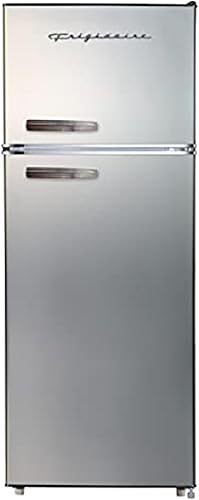
Rather than declare a single best brand, it helps to start from units that have earned real buyer trust and then narrow by your space and budget. For a compact or second-fridge spot, a 7 to 8 cubic foot top-freezer from a value brand covers the basics without overspending. For a main kitchen, an 18 to 25 cubic foot unit in the configuration that suits how you cook hits the value sweet spot. We track refrigerators across brands by capacity, configuration, price, and verified buyer demand, and we keep a current shortlist of the picks worth comparing first. Use the recommendations below to see how specific Frigidaire, BLACK+DECKER, and Samsung models stack up, then come back to the brand-comparison checklist above before you commit.
Frequently asked questions
What is the most reliable refrigerator brand?
There is no single answer, because every brand makes strong and weak models. As a category, value-focused brands such as Frigidaire have a strong record for simple, widely serviced units, while LG, Samsung, and GE are the mainstream picks for feature-rich full-size fridges. Reliability comes down to the specific model and its compressor warranty more than the logo, so check recent verified reviews before you buy.
Which refrigerator brand is best for the money?
For the most dependable cold per dollar, value brands like Frigidaire, BLACK+DECKER, and Galanz lead, especially for compact, apartment, garage, and second-fridge use. They offer the most cubic feet and the fewest failure-prone features at the lowest price. If you want a full-size kitchen centerpiece with premium finishes, a mainstream LG, Samsung, or GE model is the better value step up.
Are LG and Samsung refrigerators good?
Yes, LG and Samsung dominate the mainstream full-size tier with large French-door and side-by-side units, through-door ice and water, efficient inverter compressors, and fingerprint-resistant finishes. They pack more electronics, which means more potential service points over time, so confirm the compressor warranty and that a local technician will service the brand before buying.
Does the refrigerator brand really matter?
Brand matters as a guide to the odds, not a guarantee. It tells you about typical reliability, parts availability, warranty length, and service support, all of which affect a fridge you will own for a decade. But every brand has good and bad models, so always pair the brand reputation with the specific unit's recent reviews and warranty before committing.