Beverage Fridge Not Getting Cold? Causes and Fixes That Actually Work
A step-by-step diagnosis for a beverage fridge that won't cool, sorted from the cheap, common fixes to the failures that mean it's time to replace.
When your beverage fridge is not getting cold, the cause is usually something simple and fixable, not a dead unit. Overpacked shelves, a hot room, a dirty coil, or a thermostat bumped off its setting account for the large majority of warm beverage fridges, and most of those take minutes to correct. The harder cases, a failing compressor or a leaked refrigerant charge, are real but far less common, and they are easy to recognize once you know the signs.
This guide walks the diagnosis in order, from the no-cost checks to the ones that decide whether you repair or replace. Work top to bottom and stop when the drinks come back to temperature. If you reach the end and the unit still runs warm, the closing section covers when a replacement is the smarter spend and what to look for so the next one keeps up.


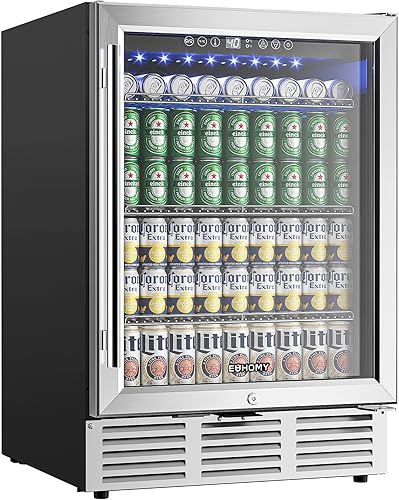
First, confirm it's actually a problem
Before you troubleshoot, set realistic expectations, because many 'broken' beverage fridges are working as designed. Most beverage coolers hold drinks somewhere in the high 30s to low 50s Fahrenheit, not the deep freeze of a kitchen fridge, and thermoelectric models in particular cool to a set number of degrees below the room rather than to a fixed temperature. That means a thermoelectric unit in an 80-degree garage may only reach the low 60s no matter how it's set, and that is normal for the technology, not a fault. Put a cheap thermometer on the middle shelf, wait several hours undisturbed, and read the actual number before assuming failure. If a freshly loaded fridge feels warm, give it a full day to pull a big load down, especially if you just stocked it with room-temperature cans. A unit that holds a reasonable temperature once settled is fine; one that never gets below ambient by a meaningful margin is the one worth diagnosing.
Check power, settings, and the door
Start with the free, five-minute checks that catch most cases. Confirm the unit is firmly plugged into a live outlet, not a switched one or an overloaded power strip, and that nothing tripped the breaker. Verify the thermostat or digital control is set to a cold setting and wasn't nudged during cleaning or restocking; many units have a dial or button panel that's easy to knock. Then inspect the door. A gasket that's cracked, folded, or coated in sticky residue lets cold air leak out continuously, so the compressor runs forever and never wins. Close the door on a sheet of paper and tug; if it slides out with no resistance, the seal is weak. Make sure the door actually latches and that tall bottles or a misaligned shelf aren't holding it open a hair. These three things, power, setting, and seal, are where most warm beverage fridges are made cold again.
Give it room to breathe
A beverage fridge sheds the heat it pulls from your drinks through coils, and if that heat has nowhere to go, the inside stays warm no matter how hard the unit works. Freestanding models in particular need clearance, typically a few inches at the back and sides and open space above, so check the spec sheet and pull the unit out from any tight cabinet or alcove it's wedged into. Built-in models are designed to vent from the front and must never be boxed into a freestanding-only cavity, which is a common reason a 'broken' built-in runs warm. Make sure the rear or bottom vents aren't blocked by a wall, a bin, or trapped lint. Inside, don't overpack: cans crammed wall to wall stop cold air from circulating, leaving warm pockets. Leave gaps, keep the vents clear, and many warm-running units recover within a day.
Clean the condenser coils
On compressor-based beverage fridges, dusty condenser coils are one of the most common causes of weak cooling, and one of the most overlooked. The coils, usually a black grille on the back or a panel underneath, dump heat into the room, and when they're caked in dust, pet hair, and kitchen grease, they can't release that heat, so the compressor runs hot and long while the interior drifts up. Unplug the unit, find the coils, and vacuum them with a brush attachment, then wipe gently; a coil brush helps for the underneath type. Doing this every six to twelve months is the single best maintenance habit for keeping a compressor unit cold and quiet. Thermoelectric models don't have these coils but do have a small fan and heat sink that collect dust just as readily, so clean those vents too. A clean unit that still won't cool points to something deeper.
Account for the room around it
Ambient temperature is the hidden variable in almost every 'not getting cold' complaint. Every beverage fridge has a climate range it's rated for, and a garage, sunroom, or hot kitchen that climbs into the high 80s or 90s can push a unit past what it was built to handle, especially the affordable thermoelectric models that only chill a fixed amount below the room. If your fridge keeps drinks cold in winter but warms up every summer, the room, not the unit, changed. Move it out of direct sun and away from ovens, dryers, and other heat sources, and if it lives somewhere that runs hot year-round, you likely need a compressor model rated for higher ambient temperatures rather than a thermoelectric one. This is the most common reason a perfectly healthy beverage fridge seems to fail: it's simply outmatched by where it sits.
When it's the compressor or refrigerant
If you've corrected power, settings, seal, airflow, coils, and ambient heat and the unit still won't cool, you're likely looking at a hardware failure. Listen and feel: a compressor model should hum gently and the coils should get warm when it's running. If it's dead silent and the coils stay cold, the compressor or its start relay may have failed. If it runs constantly, the coils are clean, yet it barely cools, the sealed refrigerant system may have lost its charge through a leak. Both are sealed-system repairs that require a technician and often cost a meaningful share of a new unit's price, which is why beverage fridges in this situation are frequently replaced rather than fixed. A thermoelectric unit that won't cool usually has a failed Peltier module or fan; these are cheaper parts but, on inexpensive units, still often tip the math toward buying new. Knowing which failure you have tells you whether to call for service or shop for a replacement.
Repair or replace, and what to buy next
Use a simple rule: if the fix is a gasket, a cleaning, better placement, or a setting, repair it, those are cheap and high-success. If it's a sealed-system fault on an older or budget unit, replacement is usually the wiser spend, since a service call plus parts can approach the cost of a better new fridge that won't have the same weakness. When you do replace, match the unit to your real conditions. If your old one cooked in a hot garage, choose a compressor model rated for high ambient temperatures rather than a thermoelectric one, and confirm it's the right install type, freestanding or built-in, for where it will live. Size it so you're not cramming it full, which strangles airflow. We rank beverage fridges by capacity, cooling type, install style, price, and verified buyer demand, so you can shortlist a model that actually keeps up. The picks below are a fast starting point for a replacement that stays cold.
Frequently asked questions
Why is my beverage fridge running but not getting cold?
If it runs constantly yet stays warm, the most common causes are blocked airflow, dirty condenser coils, a weak door gasket, or a room that's too hot for the unit's rating. Clear the vents, clean the coils, check the seal, and confirm the ambient temperature is within range. If all of that checks out and it still won't cool, the sealed refrigerant system may have lost its charge, which needs a technician.
How long should a beverage fridge take to cool down?
Give a newly plugged-in or freshly stocked unit a full day to reach temperature, especially if you loaded it with room-temperature cans. Compressor models pull down faster than thermoelectric ones. Place a thermometer on the middle shelf and check after several undisturbed hours rather than judging by feel right after loading.
Is it normal for a beverage fridge to not get very cold in a garage?
For thermoelectric models, yes. They cool only a fixed number of degrees below the surrounding air, so a hot garage limits how cold they can get no matter the setting. If you need reliable cooling in a warm or fluctuating space, choose a compressor model rated for higher ambient temperatures instead.
Is a warm beverage fridge worth repairing?
It depends on the fault. Gaskets, cleaning, placement, and settings are cheap, high-success fixes worth doing. A failed compressor or a refrigerant leak is a sealed-system repair that often costs a large share of a new unit's price, so on older or budget fridges, replacing it is usually the smarter choice.