Built In vs Freestanding Wine Cooler: Which Should You Choose?
Choosing between a built in and a freestanding wine cooler depends on your kitchen layout, ventilation needs, and how many bottles you want to store. Here is how they compare for long term satisfaction.
The short answer: freestanding wine coolers offer more flexibility and lower cost, while built in models fit seamlessly into cabinetry but require higher upfront investment and proper ventilation.
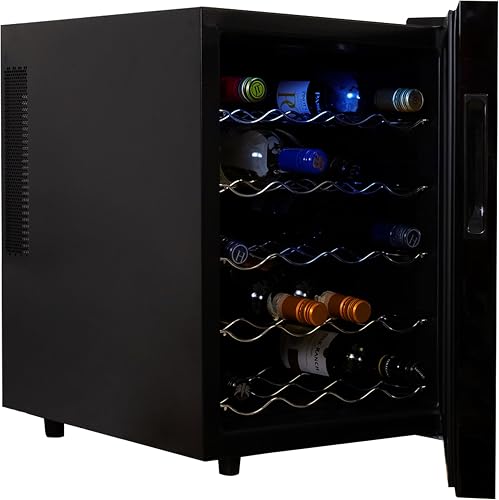
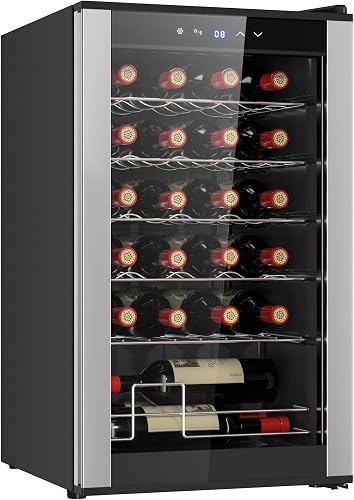
When you are deciding between built in vs freestanding wine cooler, the first thing to consider is where you will put it. Freestanding units can go almost anywhere with a power outlet and airflow space on the sides and back. Built in models are designed to slide under counters or into cabinetry, with front venting that lets you tuck them flush. Buyers who plan to keep the cooler for years often lean toward freestanding for its simplicity and easier replacement, while built in fans love the custom look.

Installation and Ventilation Requirements
The biggest practical difference between built in and freestanding wine coolers is how they handle heat. Freestanding units need several inches of clearance around the back and sides to vent properly. Built in models vent through the front grille, so they can be installed flush with cabinets. That makes built in ideal for kitchen islands or bar setups where you want a seamless appearance. However, a built in unit like the Avanti WCR496DS (3.8 stars, 5 reviews) requires careful measurement. With a 4.9 cu ft capacity and 109 lb weight, it is a commitment. If you are not remodeling or do not have a dedicated opening, a freestanding cooler is simpler to set up and move later.
Capacity and Size Options
Built in wine coolers often max out around 50 bottle capacity in standard widths, but you can find larger units like the Vinotemp EL-300COMM with 188 bottle capacity (though it is also freestanding compatible). Freestanding models cover a wider range: compact 12 bottle units for countertops, 20 to 24 bottle mid sizes, and large 50+ bottle cabinets. The Koolatron WC24 (4.3 stars, 294 reviews) holds 24 bottles and costs $379.99. The NutriChef PKCWC12 (4.3 stars, 1,100 reviews) is a popular 12 bottle countertop pick at $259.05. For serious collectors, freestanding gives you more capacity choices without limiting your layout.
Price Comparison and Value Over Time
Freestanding wine coolers are generally more affordable. The Koolatron WC20 (4.3 stars, 964 reviews) costs $283.78 for 20 bottles. The Whynter FWC-341TS (4.1 stars, 300 reviews) is $319.99 for 3.4 cu ft. Built in models like the Avanti WCR496DS are $999.99, and the COSMO COS-24BIWCS (3.8 stars, 6 reviews) is $1,013.99. That is a big jump. Long term, freestanding units are easier and cheaper to replace. Built in models tie you to a specific footprint. If you move or remodel, a built in cooler may not fit your next kitchen. For most buyers, the value leans freestanding.
Cooling Technology: Compressor vs Thermoelectric
Both built in and freestanding wine coolers come in compressor and thermoelectric versions. Compressor cooling is standard for most larger units because it maintains consistent temperatures regardless of room conditions. The Whynter FWC-1201BA (4.5 stars, 13 reviews) uses a compressor. Thermoelectric coolers like the Koolatron WC20 are quieter and vibrate less, but they work best in climate controlled rooms. If your wine cooler will be in a garage or hot kitchen, a compressor model is more reliable. Freestanding gives you more thermoelectric choices, but built in models are almost always compressor based due to enclosed installation.
Long Term Satisfaction: What Buyers Still Like Months Later
Looking at review patterns across hundreds of ratings, freestanding wine coolers tend to score higher for overall satisfaction. The Koolatron WC12 (4.3 stars, 176 reviews) and WC20 (4.3 stars, 964 reviews) earn consistent praise for value and quiet operation. The NutriChef PKCWC12 (4.3 stars, 1,100 reviews) is a top seller. Built in models like the Avanti WCR496DS (3.8 stars, only 5 reviews) have less feedback, but the COSMO COS-24BIWCS (3.8 stars, 6 reviews) suggests mixed experiences. For long term peace of mind, sticking with a proven freestanding design from a brand with many reviews is a safer bet.
Aesthetics and Kitchen Design
Built in wine coolers create a custom, integrated look that many homeowners love. If you are designing a kitchen or wet bar and want appliances to blend in, a built in like the Summit Appliance SWC1840BADA ($1,132.99) with reversible door and stainless steel finish is an option. But keep in mind: the Summit has no reviews yet. Freestanding coolers now come in stainless steel and black finishes that look just as polished. The Whynter FWC-341TS and Koolatron WC24 both have black finishes that coordinate with most kitchens. Unless you absolutely need a flush fit, freestanding offers a cleaner purchase process.
Which One Should You Buy? A Simple Decision Guide
Choose a built in wine cooler if you have a dedicated cabinet opening and want a permanent, flush installation. You are willing to pay a premium for the seamless look. The Avanti WCR496DS and COSMO COS-24BIWCS are the main options. Choose a freestanding wine cooler if you want lower cost, more capacity choices, and the ability to move the unit later. The Koolatron WC20, WC24, and NutriChef PKCWC12 are top rated picks. For most buyers, the freestanding route delivers better value and long term flexibility. Start by measuring your space and deciding if you ever plan to rearrange your room.
Frequently asked questions
Can I use a freestanding wine cooler as a built in?
No, freestanding wine coolers need airflow around the sides and back. Using one in a built in space without proper ventilation can cause overheating and shorten the unit's life. Only models labeled as built in or front venting are safe for enclosed installation.
Do built in wine coolers hold more bottles?
Not necessarily. Built in models typically hold 30 to 50 bottles, while freestanding coolers range from 12 to over 100 bottles. The Avanti WCR496DS holds 49 bottles, but the Koolatron WC24 holds 24. For large capacity, freestanding offers more options.
Are built in wine coolers more reliable than freestanding?
Reliability depends more on the brand and cooling technology than installation type. Freestanding coolers from Koolatron and Whynter have strong reviews. Built in models have fewer reviews, so it is harder to assess long term reliability. Compressor cooling is generally reliable in both types.
What is the price difference between built in and freestanding wine coolers?
Freestanding coolers start around $250 for 12 bottles and $380 for 24 bottles. Built in models usually start above $900. For similar bottle capacity, built in models cost two to three times more than freestanding equivalents.