Can a Refrigerator Lay Down for Transport? What You Need to Know
Moving a fridge is tricky. The short answer is no, but sometimes it's unavoidable. This guide explains the risks, exceptions, and how to do it safely to avoid compressor damage and costly repairs.
No, you should not lay a refrigerator on its side for transport. Laying a refrigerator down can damage the compressor, cause oil to leak into the refrigerant lines, and lead to cooling problems or total failure. If you absolutely must transport it sideways, there are steps to minimize risk, but upright is always best.
Manufacturers design refrigerators to operate upright. The compressor contains oil that lubricates moving parts. When you tip a refrigerator, that oil can migrate into the evaporator or condenser coils, clogging them and reducing efficiency. After laying a fridge down, you must let it sit upright for at least 24 hours before plugging it in to allow the oil to drain back. Even then, some damage may be permanent. For most buyers, the safest move is to rent a truck tall enough to keep the fridge standing, or choose a compact model that is easier to handle.
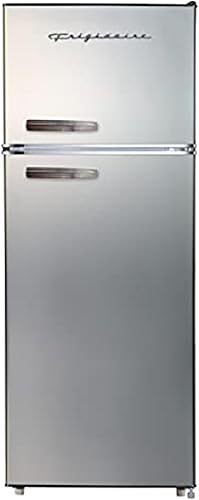


Why Laying a Refrigerator Down Is Risky
The primary concern is compressor oil migration. Compressors rely on a pool of oil to stay lubricated. When the fridge is tilted or laid flat, oil can flow out of the compressor and into the refrigerant circuit. Once there, it can clog capillary tubes or coat the inside of the evaporator, reducing heat transfer and potentially seizing the compressor. Even after letting the fridge rest upright for 24 hours, some oil may remain trapped. This is why most warranties exclude damage from improper transport. The risk is higher for larger units like the Samsung RF18A5101SR/AA (18 cu ft, 205 lb) or Haier QHE16HYPFS (16.8 cu ft, 216 lb), which are harder to keep stable on their side.
Exceptions: When You Might Lay a Fridge Down
Some smaller refrigerators, especially compact models under 5 cu ft, are less prone to damage because they have smaller compressors and simpler tubing. For example, the Galanz GLR44BEER (4.4 cu ft, 62.6 lb) or Frigidaire EFR753-PLATINUM (7.5 cu ft, 90 lb) might survive a brief trip on their side if handled carefully. Freezers and certain mini fridges may also tolerate it better. However, even for these, upright transport is recommended. If you must lay one down, follow the manufacturer's guidance: keep it upright for 24 hours after moving, and avoid running it immediately. The Summit Appliance AL55 (4.2 cu ft, 98 lb) is heavier but still small enough that careful handling might work.
How to Transport a Refrigerator Safely
The safest method is to keep the refrigerator upright at all times. Use a furniture dolly with straps, secure the doors with tape or rope, and tie the fridge to the dolly so it does not tip. If you have to tilt it to fit through a doorway, tilt it no more than 45 degrees and only for a few seconds. For long-distance moves, rent a vehicle with enough vertical clearance. If you are moving a full-size model like the Samsung RF18A5101SR/AA or Haier QHE16HYPFS, consider professional movers. The extra cost is far less than replacing a damaged compressor.
What to Do If You Already Laid Your Fridge Down
If you have already transported your refrigerator on its side, do not plug it in immediately. Set it upright on a level surface and let it sit for at least 24 hours, longer if possible (48 hours is safer). This gives the oil time to drain back into the compressor. After the waiting period, plug it in and listen for unusual noises like clicking or humming. Check that it cools properly within a few hours. If it does not cool or makes loud noises, the compressor may be damaged. In that case, contact a technician or the manufacturer for warranty service, though transport damage is often not covered.
Which Fridges Are Easiest to Move Upright?
Smaller, lighter refrigerators are easier to transport upright because they fit in standard vehicles and require less brute force. The Frigidaire EFR753-PLATINUM (7.5 cu ft, 90 lb, 4.1 stars from 586 reviews) is a popular choice for apartment moves. The Galanz GLR44BEER (4.4 cu ft, 62.6 lb, 3.9 stars) is even lighter and more manageable. For those needing a bit more space, the Frigidaire FRQG1721AV (5.5 cu ft, 4.3 stars from 268 reviews) balances capacity with weight. These models have solid ratings and are less likely to suffer transport damage if you take precautions.
Final Verdict: Always Choose Upright
The answer to 'can a refrigerator lay down for transport' is a firm 'not recommended.' While you might get away with it for a small, lightweight unit like the Galanz GLR44BEER or Frigidaire EFR753-PLATINUM, the risk of compressor damage is real. For larger fridges like the Samsung RF18A5101SR/AA or Haier QHE16HYPFS, laying them down is a gamble that can cost hundreds in repairs. Always plan your move so the fridge stays upright. If that is impossible, at least follow the 24-hour rest rule before powering on. Your fridge will thank you with years of reliable cooling.
Frequently asked questions
How long can a refrigerator lay on its side during transport?
Ideally zero time. If unavoidable, keep it on its side for as short as possible, under 30 minutes. Longer periods increase the risk of oil migration. Afterward, let it rest upright for 24 hours before plugging in.
Can I plug in a refrigerator immediately after laying it down?
No. Always let it sit upright for at least 24 hours to allow oil to drain back into the compressor. Plugging it in sooner can damage the compressor and void the warranty.
What happens if a refrigerator is transported on its side?
Oil can leak into the refrigerant lines, clogging them and reducing cooling efficiency. The compressor may overheat or seize, leading to costly repairs or replacement. Some refrigerators may never cool properly again.
Is it safe to lay a mini fridge on its side for moving?
Small mini fridges (under 5 cu ft) are less risky but still not recommended. Models like the Galanz GLR44BEER or Frigidaire EFR753-PLATINUM may survive if handled gently and rested upright for 24 hours. Upright transport is always safer.