Can You Freeze Bananas? Yes, and Here's How
Freezing bananas is a simple way to prevent waste and always have ripe fruit on hand. Here's what you need to know about prepping, freezing, and using frozen bananas.
Yes, you can freeze bananas. Freezing bananas is one of the easiest ways to extend their shelf life and reduce food waste. Whether you have a bunch that ripened too quickly or you want to stock up for smoothies and baking, freezing preserves both flavor and nutrients.
The key to successful banana freezing lies in proper preparation. Bananas freeze best when peeled first, as the skin turns brown and mushy in the freezer but the flesh remains perfect for cooking. You can freeze whole, sliced, or mashed bananas depending on your intended use. With a little planning, frozen bananas can last 3 to 6 months in a standard freezer, making them a convenient staple for quick breakfasts and desserts.

The Best Way to Freeze Bananas
For best results, peel the bananas before freezing. The skin will darken and become unappetizing, but the fruit inside stays good. Cut them into rounds or halves for easier portioning. Place the pieces on a parchment-lined baking sheet and freeze until solid, about 2 hours. Then transfer to a zip-top bag or airtight container. This method prevents clumping and lets you grab exactly what you need. Don't forget to label the bag with the date. If you're short on time, you can also mash ripe bananas with a fork and freeze the puree in ice cube trays, then pop out the cubes and store them in a bag.
Can You Freeze Unripe Bananas?
You can freeze unripe bananas, but the texture and flavor won't improve. Freezing stops the ripening process, so the bananas will remain firm and starchy even after thawing. They may also develop a slightly grainy texture. For best results, freeze bananas when they are at peak ripeness, with yellow skin and a few brown spots. If you only have green bananas, consider letting them ripen at room temperature for a few days before freezing. Unripe frozen bananas work fine in cooked dishes like banana bread, but they won't be sweet enough for raw smoothies.
How Long Do Frozen Bananas Last?
Properly stored frozen bananas maintain quality for 3 to 6 months in a freezer set at 0 degrees Fahrenheit or below. After that, they are still safe to eat but may develop freezer burn or lose flavor. To maximize shelf life, use airtight bags or containers and squeeze out as much air as possible. If you notice ice crystals or off smells, trim away affected parts. For long-term storage, consider vacuum sealing. A dedicated chest freezer or upright freezer with consistent temperature is ideal for bulk banana storage, as it avoids the temperature fluctuations common in kitchen refrigerator freezers.
Using Frozen Bananas in Recipes
Frozen bananas are incredibly versatile. They work perfectly in smoothies, providing creaminess without ice. For baking, thaw frozen bananas in the refrigerator or at room temperature, then mash them as you would fresh. The moisture content is slightly higher, so you may need to adjust liquid amounts in recipes. Frozen bananas also make a great base for nice cream, a dairy free treat made by blending frozen banana chunks until smooth. You can add cocoa powder, peanut butter, or berries for flavor. Just be sure to use very ripe bananas for the sweetest result.
Freezer Tips for Best Quality
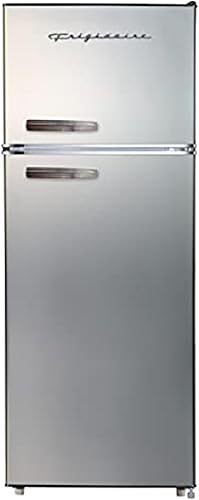
To avoid freezer burn, remove as much air as possible from storage bags. Use a straw to suck out excess air before sealing. Keep bananas away from strong smelling foods like onions or garlic, as bananas can absorb odors. Consider portioning bananas into smoothie sized packs before freezing. A good freezer with accurate temperature control, like a Frigidaire EFR753-PLATINUM, helps maintain consistent cold. With 7.5 cu ft of space, this model offers plenty of room for banana storage plus other frozen goods. Its manual defrost system requires occasional attention but keeps energy costs low.
Common Mistakes When Freezing Bananas
One common mistake is freezing bananas with the peel on. While you can do this, the peel becomes very difficult to remove once frozen. It's much easier to peel first. Another mistake is not removing enough air from the bag, leading to freezer burn. Also, avoid freezing bananas that are already bruised or damaged, as they will deteriorate faster. Finally, don't thaw bananas in the microwave unless you plan to cook with them immediately, as the texture becomes mushy. For smoothies, you can blend frozen bananas straight from the freezer no thawing needed.
Does Freezing Affect Banana Nutrition?
Freezing bananas does not significantly reduce their nutritional value. Vitamins like B6 and C, as well as potassium and fiber, remain intact. However, the texture changes due to ice crystal formation, which breaks down cell walls. This is why thawed bananas are softer and release more liquid. The sugar content stays the same, so frozen bananas are just as sweet as fresh ones when fully ripe. For maximum nutrient retention, use frozen bananas within 3 months. Longer storage may cause a slight loss of vitamin C, but they remain a healthy choice.
Frequently asked questions
Do you need to peel bananas before freezing?
Yes, it is highly recommended to peel bananas before freezing. The peel turns brown and mushy, making it difficult to remove later. Peeled bananas freeze more evenly and are ready to use straight from the freezer.
Can you freeze bananas with the skin on?
You can, but it is not ideal. The skin will darken and become soft and sticky. Thawing and peeling a frozen banana is messy and time consuming. Peeling first saves effort and gives better results.
How do you thaw frozen bananas?
For baking, thaw bananas in the refrigerator overnight or at room temperature for about an hour. For smoothies, use them frozen directly. To thaw quickly, place the bag in a bowl of cool water for 15 to 20 minutes.
Can frozen bananas be used for banana bread?
Absolutely. Thawed frozen bananas work perfectly in banana bread. They become very soft and release liquid, which you can drain or include. The flavor is just as good as fresh, and the texture blends well into batter.