Can You Freeze Bread? Yes, and Here's the Best Way
Freezing bread is a simple way to extend its life without sacrificing quality. This guide covers the best practices, storage duration, and how the right freezer or refrigerator can make a difference.
Yes, you can freeze bread. In fact, freezing bread is one of the best ways to keep it fresh for weeks or months beyond its shelf life. When done correctly, frozen bread thaws to nearly its original texture, especially if you wrap it well and use a freezer that maintains consistent temperatures.
The key to successful bread freezing lies in preparation and storage. Slice the bread before freezing so you can grab individual pieces without thawing the whole loaf. Double-wrap in plastic wrap and foil, or use a freezer bag, to prevent freezer burn. Most breads stay good for up to three months in a freezer set at 0 degrees Fahrenheit. If you frequently freeze bread, a dedicated chest freezer or an upright freezer with good temperature control can make the process even easier.

How to Freeze Bread Properly
To freeze bread without ruining its texture, start with fresh bread. Slice it if desired, then wrap tightly in plastic wrap to prevent air exposure. Add a layer of aluminum foil or place the wrapped bread in a freezer bag. Squeeze out as much air as possible before sealing. Label with the date and type of bread. For longer storage, consider a chest freezer that stays at a steady 0 degrees Fahrenheit, as temperature fluctuations can cause ice crystals and freezer burn.
How Long Does Frozen Bread Last?
Frozen bread maintains best quality for about 2 to 3 months, though it remains safe to eat indefinitely if kept at 0 degrees Fahrenheit. Over time, the texture may degrade due to moisture loss. Commercial breads with preservatives may last longer than artisan loaves. If you freeze bread often, an upright freezer with automatic defrost can help maintain consistent humidity, reducing the risk of freezer burn.
Best Way to Thaw Frozen Bread
The best thawing method depends on how you plan to use the bread. For slices, pop them directly into a toaster or oven. For a whole loaf, let it sit at room temperature in its wrapping for 1 to 2 hours. To refresh crusty bread, reheat it in a 350 degree F oven for 5 to 10 minutes. Avoid microwaving, which can make bread rubbery. If you have a refrigerator with a dedicated freezer section that maintains even temperatures, thawing is more predictable.
Can You Freeze Different Types of Bread?
Most breads freeze well, but results vary. Dense breads like sourdough and whole grain hold up better than soft, airy breads like brioche or croissants. Gluten-free breads can become crumbly after freezing, so extra wrapping is crucial. For best results, freeze bread as soon as possible after purchase. If you store large quantities, a chest freezer with ample space and consistent cold is ideal for preserving variety.
Does Freezing Bread Affect Its Nutritional Value?
Freezing bread has minimal impact on its nutritional content. Vitamins and minerals remain stable at freezing temperatures. The glycemic index may even lower slightly due to starch retrogradation, which makes some starches resistant to digestion. This is a bonus for blood sugar management. The main concern is texture, not nutrition. Proper wrapping in a freezer that maintains steady cold (like a reliable chest freezer) protects against nutrient loss from freezer burn.
Common Mistakes When Freezing Bread
The biggest mistake is not wrapping bread airtight, leading to freezer burn and off flavors. Another error is freezing an entire loaf without slicing, which forces you to thaw the whole thing even if you only need a slice. Also, avoid refreezing thawed bread, as the texture degrades significantly. Using a freezer with automatic defrost can help, but still wrap well. For frequent freezers, an upright freezer with organized shelves makes it easier to avoid these pitfalls.
Choosing the Right Freezer for Bread Storage
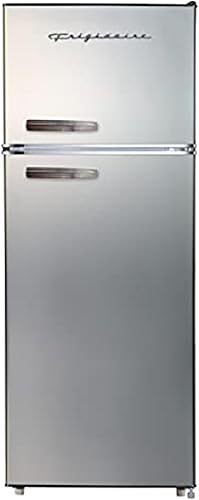
While any freezer can store bread, certain features help maintain quality. A chest freezer is energy efficient and retains cold well during power outages, ideal for bulk storage. An upright freezer offers easier access and organization, with shelves for stacking wrapped loaves. Look for models with manual or automatic defrost that minimizes temperature swings. For small kitchens, a compact freezer or a refrigerator with a good freezer compartment (like the Frigidaire EFR753-PLATINUM) can work if you manage space carefully.
Frequently asked questions
Can you freeze bread without it getting soggy?
Yes, if you wrap it properly. Use plastic wrap to seal out moisture, then foil or a freezer bag. Thaw it unwrapped at room temperature or toast slices directly. Avoid microwaving, which creates steam and sogginess.
How long can you keep bread in the freezer?
Bread stays safe indefinitely at 0 degrees Fahrenheit, but best quality lasts 2 to 3 months. After that, texture declines due to moisture loss. Always label with the date to track freshness.
Can you freeze bread from the bakery?
Absolutely. Freeze bakery bread on the day of purchase for best results. Slice if desired, wrap tightly, and freeze. Thaw at room temperature or reheat in the oven to restore crustiness.
Does freezing bread reduce calories or carbs?
Freezing doesn't change calorie or carb counts. However, it can lower the glycemic index slightly due to starch retrogradation, meaning your body absorbs some sugars more slowly.