Can You Freeze Cheese? Yes, and Here's What You Need to Know
Freezing cheese is a great way to extend its life. Learn which cheeses freeze well, how to prep and thaw them, and what changes to expect so you can enjoy cheese anytime.
Yes, you can freeze cheese. Most hard and semi-hard cheeses freeze surprisingly well, while soft cheeses may become crumbly or watery after thawing. The key is knowing which cheeses to freeze and how to store them properly to maintain flavor and texture.
Freezing cheese is a practical way to save money and reduce waste. Many cheese lovers buy in bulk when their favorite variety is on sale, then freeze portions for later use. While the texture may change slightly, the cheese remains perfectly usable for cooking, melting, or even snacking if you follow a few simple steps. This guide covers the best cheeses to freeze, storage tips, and what to expect when you thaw them.


Which Cheeses Freeze Best?
Hard and semi-hard cheeses like cheddar, Swiss, Gouda, Parmesan, and Monterey Jack freeze the best. Their lower moisture content means they maintain texture better after thawing. Soft cheeses like brie, camembert, and fresh mozzarella have high moisture and tend to become watery or grainy. Cream cheese and ricotta also don't freeze well for eating fresh, though they can still be used in cooked dishes. Shredded cheese is a freezer favorite because it thaws quickly and melts evenly. Blocks of cheese freeze well but may become crumbly, making them ideal for grating or cooking rather than slicing for a cheese board.
How to Freeze Cheese Properly
Start with fresh cheese that hasn't passed its prime. For blocks, cut into smaller portions (about 1/2 pound each) or shred it first. Wrap tightly in plastic wrap, then aluminum foil, or place in a freezer bag, squeezing out as much air as possible. This prevents freezer burn and odor absorption. Label with the cheese type and date. For shredded cheese, keep it in its original bag or transfer to a freezer bag. Hard cheeses like Parmesan can be frozen in a chunk and grated straight from frozen. Avoid freezing cheese in large blocks as they take longer to thaw and may develop uneven texture.
How Long Can You Freeze Cheese?
Frozen cheese stays safe to eat indefinitely, but quality declines over time. For best flavor and texture, use hard cheeses within 6 to 8 months and semi-hard cheeses within 4 to 6 months. Shredded cheese is best used within 3 to 4 months. Soft cheeses should be eaten within 1 to 2 months if frozen at all, but expect texture changes. Always wrap cheese well to prevent freezer burn, which causes dry, discolored spots. If you notice freezer burn, trim those areas before using. For long-term storage, consider vacuum sealing for maximum protection.
How to Thaw Frozen Cheese
Thaw cheese slowly in the refrigerator for best results. Transfer it from the freezer to the fridge a day before you plan to use it. Once thawed, use within a few days. Avoid thawing at room temperature, which can cause moisture condensation and spoilage. Shredded cheese can go straight from freezer to dish, no thawing needed. For cooked dishes like casseroles or pizzas, you can add frozen cheese directly. If the cheese seems crumbly or slightly watery after thawing, pat it dry and use it for melting or cooking. It may not be ideal for a cheese platter, but it works great in recipes.
What Happens to Cheese Texture When Frozen?
Freezing changes cheese texture because ice crystals form and disrupt the protein structure. In hard cheeses, this makes them more crumbly and slightly grainy. That's why frozen cheese is perfect for grating, melting, or cooking but not for slicing neatly. Soft cheeses become watery and lose their creamy consistency. Aged cheeses like Parmigiano-Reggiano freeze well because they are already low in moisture. The flavor remains largely unchanged, which is good news. If you mainly use cheese for cooking, freezing is a no-brainer. For snacking, freeze only hard cheeses and plan to use them in cooked dishes or on crackers.
Best Ways to Use Thawed Cheese
Thawed cheese shines in cooked dishes. Use crumbled cheddar in mac and cheese, sprinkle shredded mozzarella on pizza, or grate Parmesan over pasta. Frozen cheese melts more evenly because the texture is already broken down. It's also great for cheese sauces, soufflés, and casseroles. If you want to eat it cold, try it on sandwiches or in salads where the texture change is less noticeable. Avoid using thawed soft cheese for spreading on crackers. Instead, stir it into dips or baked goods. With a little planning, frozen cheese can be just as convenient and tasty as fresh.
Refrigerators That Help with Cheese Storage
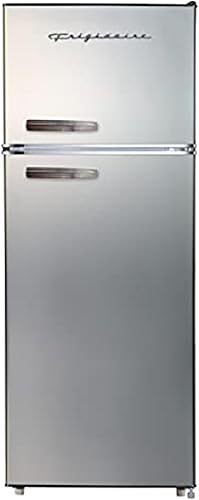
A good refrigerator with consistent temperature and humidity control can extend the life of both fresh and thawed cheese. Models with dedicated deli drawers or adjustable humidity bins are ideal. For example, the Frigidaire EFR753-PLATINUM (7.5 cu ft, 4.1 stars) offers a dedicated freezer compartment and reversible door, making it a solid choice for smaller kitchens. The Samsung RF18A5101SR/AA (18 cu ft, 3.9 stars) features French doors and frost-free defrost, keeping cheese fresh longer. If you're looking for a compact option, the Galanz GLR44BEER (4.4 cu ft, 3.9 stars) is a budget-friendly freestanding fridge. Proper fridge storage is key to maintaining cheese quality after thawing.
Frequently asked questions
Can you freeze cheese and still use it for sandwiches?
Yes, but hard cheeses like cheddar or Swiss work better than soft ones. After thawing, the cheese may be slightly crumbly, so slicing thin pieces can be tricky. For sandwiches, shredding or using a cheese slicer helps.
Does freezing cheese change the taste?
Freezing does not significantly change the taste of cheese. The flavor remains largely intact. The main change is texture, which can become crumbly or grainy. For cooking and melting, the taste is still great.
Can you freeze cream cheese or ricotta?
You can freeze cream cheese and ricotta, but they will become grainy and watery after thawing. They are best used in baked goods or cooked dishes rather than spreading. Whipping or blending can help restore some smoothness.
How do you know if frozen cheese has gone bad?
If frozen cheese develops an off smell, mold, or excessive freezer burn, it's best to discard it. Freezer burn appears as dry, white or grayish patches. Trim those areas; if the rest looks and smells fine, it's safe to eat.