Can You Freeze Cooked Pasta? Yes, Here's How
Freezing cooked pasta is a smart way to save leftovers and prep meals. This guide covers the best techniques, what to avoid, and when you might need a dedicated freezer or fridge for bulk storage.
Yes, you can freeze cooked pasta. It is a great way to reduce food waste and have quick meals ready. The key is to undercook it slightly and freeze it properly so it doesn't turn mushy when reheated. Whether you meal prep for the week or just want to save leftover spaghetti, freezing cooked pasta works well with a few simple steps.
Freezing cooked pasta is straightforward: cook it al dente, drain, toss with a little oil to prevent clumping, let it cool completely, then portion into freezer bags or containers. Remove as much air as possible and lay flat to freeze. When you are ready to eat, thaw in the fridge or drop frozen directly into boiling water for a minute. For long term storage, a chest freezer or an upright freezer with good temperature control is ideal. But if you plan to freeze only small batches, a compact refrigerator with a freezer compartment can do the job. The question "can you freeze cooked pasta" has a clear answer: yes, with proper technique.

Best Freezing Method for Cooked Pasta
To freeze cooked pasta successfully, cook it 1-2 minutes less than the package directions. Drain and rinse with cold water to stop cooking. Toss with a teaspoon of olive oil per serving to keep strands separate. Spread the pasta on a baking sheet in a single layer and freeze for 1-2 hours until firm. Then transfer to airtight freezer bags or containers, removing as much air as possible. Label with the date and type of pasta. This method works for spaghetti, penne, fusilli, and most shapes. For pasta in sauce, freeze them together in a freezer safe container, but expect a slightly softer texture.
How to Thaw and Reheat Frozen Pasta
The best way to reheat frozen cooked pasta depends on how you plan to serve it. For plain pasta, drop it frozen into boiling salted water for 30-60 seconds until heated through. Drain and serve with sauce. For pasta already in sauce, thaw overnight in the refrigerator, then reheat in a skillet or microwave. Avoid thawing at room temperature to prevent bacterial growth. If you are in a hurry, you can reheat frozen pasta directly in a microwave safe dish with a splash of water, covered, on medium power. Stir halfway. The texture will be best if you undercooked the pasta slightly before freezing.
How Long Does Frozen Cooked Pasta Last?
Frozen cooked pasta maintains best quality for 1-2 months. After that, it is still safe to eat but may develop freezer burn or become overly soft. To maximize shelf life, use freezer bags designed to block air and moisture. Squeeze out air before sealing. For longer storage, consider vacuum sealing. Always label with the date. If you freeze a large batch, portion it into meal sized amounts so you only thaw what you need. A chest freezer or upright freezer with consistent temperature below 0°F (-18°C) will keep pasta at peak quality longer than a refrigerator's small freezer compartment.
Pasta Shapes That Freeze Best
Short, sturdy pasta shapes like penne, rigatoni, farfalle, and fusilli freeze and reheat better than long thin noodles like angel hair or fresh pasta. The thicker shapes hold their texture after freezing and thawing. Egg noodles and fresh pasta can become mushy more easily. For lasagna, freeze the assembled dish before baking, or freeze individual portions after cooking. Stuffed pasta like ravioli or tortellini freezes well; freeze them in a single layer on a baking sheet before bagging. Avoid freezing overcooked or very delicate pasta shapes if you want the best results.
Mistakes to Avoid When Freezing Pasta
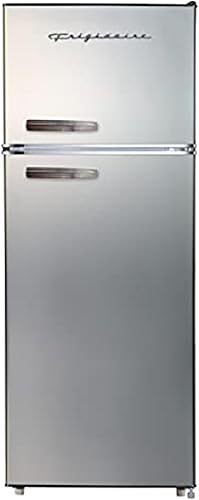
The biggest mistake is freezing pasta that is fully cooked or overcooked. It will turn mushy when reheated. Always undercook by a minute or two. Another common error is freezing pasta without cooling it first. Hot pasta creates steam and ice crystals, leading to soggy texture. Also, skipping the oil toss causes noodles to clump into a solid block. Finally, using containers that aren't airtight leads to freezer burn. If you plan to freeze large quantities regularly, consider a dedicated freezer. The Frigidaire EFR753-PLATINUM (ASIN: B09DTNMTGV) has a 7.5 cu ft capacity and a top freezer section, making it a practical choice for storing frozen pasta and other meal prep items.
When a Larger Freezer Makes Sense
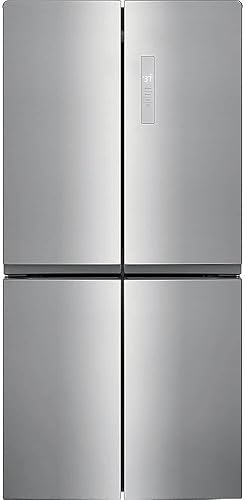
If you frequently freeze cooked pasta, bulk ingredients, or frozen meals, a full sized refrigerator with a good freezer compartment or a separate chest freezer is worth the investment. The Frigidaire FRQG1721AV (ASIN: B09GC3QBZC) is a 5.5 cu ft compact option that works for smaller kitchens. For bigger families, the Samsung RF18A5101SR/AA (ASIN: B09HJR2W4P) offers 18 cu ft with a frost free freezer. These models provide consistent temperature control, which is essential for preserving the texture of frozen pasta. Even if you only freeze small batches occasionally, a reliable freezer keeps your pasta ready for quick dinners.
Freezing Pasta in Sauce vs. Plain
Freezing pasta with sauce can be convenient but affects texture. Sauces with cream or cheese may separate upon thawing. Tomato based sauces freeze better. If you freeze pasta in sauce, undercook the pasta slightly and let everything cool before freezing. For best quality, freeze plain pasta and make fresh sauce when reheating. This way the pasta stays firmer. If you do freeze them together, use a container with a tight lid and leave headspace for expansion. Reheat gently. The Summit Appliance AL55 (ASIN: B08CMB2VJH) is an undercounter refrigerator with a small freezer, suitable for storing a few portions of frozen pasta in sauce.
Frequently asked questions
Can you freeze cooked pasta without it sticking together?
Yes. After cooking al dente, drain and rinse with cold water. Toss with a little olive oil, then freeze in a single layer on a baking sheet before transferring to a bag. This keeps strands separate.
How long does cooked pasta last in the freezer?
Cooked pasta stays at best quality for 1-2 months in the freezer. It remains safe to eat beyond that if kept at 0°F, but texture may decline. Vacuum sealing can extend quality.
Should you freeze pasta with or without sauce?
Freezing plain pasta gives better texture. If you freeze with sauce, tomato based sauces work best. Cream sauces may separate. Cool everything first and use airtight containers.
Can you freeze pasta salads?
Not recommended. Pasta salads often contain vegetables, mayonnaise, or vinaigrette that become watery or soggy after freezing. It is better to freeze plain pasta and add fresh ingredients later.