Can You Freeze Cream Cheese? Here's What You Need to Know
Freezing cream cheese is possible, but the texture will change. Learn how to freeze it properly, what to expect after thawing, and which refrigerators help keep your dairy fresh longer.
Yes, you can freeze cream cheese. However, it will not be the same after thawing. The texture becomes crumbly and slightly grainy because freezing breaks down the emulsion. So if you plan to use it for spreading on bagels, you may be disappointed. But for cooking, baking, or mixing into recipes, frozen cream cheese works perfectly.
Freezing is a great way to extend the shelf life of cream cheese if you bought too much or found a good sale. The key is to freeze it properly and understand the trade off. In this guide, I will walk you through the steps, what to expect, and how to pick a refrigerator that keeps your cream cheese and other dairy at the ideal temperature.

How Freezing Affects Cream Cheese Texture
Cream cheese is an emulsion of fat, water, and milk solids. When you freeze it, water molecules form ice crystals that break the emulsion. The result is a curdled, grainy texture after thawing. This change is permanent. You cannot restore the original smoothness by stirring or blending. However, if you are using cream cheese in recipes like cheesecake, frostings, or dips, the texture change goes unnoticed. Many bakers actually freeze cream cheese for convenience. Just plan to use it in cooked or mixed dishes, not for spreading.
Best Way to Freeze Cream Cheese
To freeze cream cheese, keep it in its original foil wrapper and place it inside a freezer bag or airtight container. Squeeze out as much air as possible to prevent freezer burn. Label with the date. Cream cheese can be frozen for up to two months. For smaller portions, cut the block into pieces and wrap each tightly in plastic wrap then foil. Thaw in the refrigerator overnight. Do not microwave or thaw at room temperature, as that worsens the texture. Once thawed, use within a week.
Can You Freeze Cream Cheese Frosting or Cheesecake?
Yes, you can freeze both cream cheese frosting and cheesecake. Cream cheese frosting freezes well in an airtight container for up to three months. Thaw in the fridge and re whip to bring back some fluffiness. Cheesecake freezes excellently. Wrap the entire cheesecake or individual slices in plastic wrap and foil, then freeze for up to three months. Thaw in the refrigerator overnight. The texture remains nearly perfect because the high fat and sugar content protect the emulsion.
What About Low Fat or Whipped Cream Cheese?
Low fat and whipped cream cheese have higher water content, so they freeze even worse. The texture becomes very watery and separated. Whipped cream cheese also loses its airy structure. Use these only in recipes where the cream cheese will be blended or cooked. For spreading, stick to full fat block cream cheese that has not been frozen. If you must freeze low fat varieties, expect a more dramatic texture change and plan accordingly.
Choosing a Refrigerator for Dairy Storage
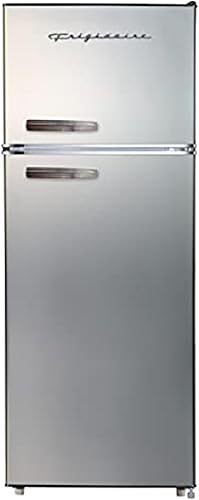
To keep cream cheese fresh before freezing, your refrigerator plays a role. Consistent temperature around 37 F is ideal. Models with automatic defrost and good insulation help. For example, the Frigidaire EFR753-PLATINUM (ASIN B09DTNMTGV) is a 7.5 cu ft top freezer model with a 4.1 star rating across 586 reviews. It offers reliable cooling and enough space for dairy. If you need a compact option, the Galanz GLR44BEER (ASIN B07R25WL1F) is a 4.4 cu ft refrigerator with automatic defrost, priced at $259.99. Both are good for storing cream cheese and other perishables.
How to Use Thawed Cream Cheese in Recipes
Thawed cream cheese works best in recipes where it is thoroughly mixed. Cheesecake, cream cheese cookies, dips like buffalo chicken dip, and creamy pasta sauces are ideal. For best results, let the cream cheese come to room temperature after thawing, then beat it with a mixer until smooth. If you see liquid separation, drain it off or mix it back in. Avoid using thawed cream cheese in recipes that require a smooth spread, like on bagels. For those, buy fresh cream cheese and freeze only if necessary.
Common Mistakes When Freezing Cream Cheese
A common mistake is freezing cream cheese in its original cardboard carton if it is the spreadable tub. The cardboard can get soggy and allow freezer odors in. Always transfer to an airtight container or wrap well. Another mistake is thawing at room temperature, which causes rapid water separation and a rubbery texture. Always thaw slowly in the refrigerator. Also, do not refreeze cream cheese once thawed. The texture will degrade further and food safety risk increases.
Frequently asked questions
Can you freeze cream cheese in the original package?
Yes, you can freeze cream cheese in its original foil wrapper, but it is best to place that wrapper inside a freezer bag or airtight container for extra protection against freezer burn and odors.
What is the best way to thaw frozen cream cheese?
The best way is to move it from the freezer to the refrigerator and let it thaw overnight. This slow thaw minimizes water separation. Do not microwave or leave at room temperature.
Can you use frozen cream cheese for cheesecake?
Absolutely. Frozen cream cheese works perfectly in cheesecake because the texture change is unnoticeable after blending with other ingredients. Many bakers freeze cream cheese for this purpose.
How long does cream cheese last in the freezer?
Cream cheese can be frozen for up to two months without significant quality loss. Beyond that, it may develop freezer burn or off flavors. Always label with the date.