Can You Freeze Eggs? Everything You Need to Know
Discover whether you can freeze eggs, the best ways to do it, and how to store them for long term freshness. Plus tips on refrigerator options that keep your frozen eggs safe.
Yes, you can freeze eggs. Freezing eggs is a great way to extend their shelf life and reduce food waste, especially if you have extra eggs or buy in bulk. The key is to freeze them properly to maintain quality for cooking and baking.
Whole eggs, egg yolks, and egg whites can all be frozen, but they require different preparation. For best results, crack the eggs into a container, gently mix to break the yolk, and add a pinch of salt or sugar to prevent gelling. Then freeze in an airtight container or ice cube tray. When you need eggs, thaw them in the refrigerator overnight and use them within 24 hours. Properly frozen eggs can last up to a year, but for best quality, use within 4 to 6 months. A reliable refrigerator or chest freezer with consistent temperature control is essential for safe long term storage.

How to Freeze Whole Eggs
Freezing whole eggs is straightforward. Start by cracking each egg into a bowl and gently whisking until the yolk and white are just combined. Avoid overbeating, as that incorporates too much air. For every cup of eggs (about 4 to 5 large eggs), add 1/2 teaspoon of salt (for savory dishes) or 1 tablespoon of sugar (for sweet recipes) to prevent the yolks from becoming gummy. Pour the mixture into a freezer safe container, leaving about 1/2 inch of headspace for expansion. Seal tightly, label with the date and number of eggs, and freeze. Thaw overnight in the fridge and use within 24 hours for scrambled eggs, omelets, or baking.
How to Freeze Egg Yolks and Whites Separately
Many recipes call for just yolks or just whites, so freezing them separately is handy. For yolks, separate them carefully and place in a bowl. Gently stir in 1/2 teaspoon of salt or 1 tablespoon of sugar per 4 yolks to prevent gelling. Pour into a freezer container or ice cube tray and freeze. For whites, simply pour them into a container or tray without any additives; they freeze beautifully. Once frozen, pop out the cubes and store in a freezer bag. Note that thawed yolks will be thicker but work well in custards or sauces, while thawed whites whip up perfectly for meringues or angel food cake.
Best Containers for Freezing Eggs
Choosing the right container prevents freezer burn and keeps eggs fresh. Ice cube trays are ideal for portioning individual eggs or whites. Once frozen, transfer the cubes to a labeled freezer bag. Alternatively, use small airtight plastic containers or glass jars, leaving headspace. Avoid freezing eggs in their shells, as the liquid expands and can cause shells to crack, leading to a mess. Vacuum sealed bags also work well for longer storage. Whichever container you choose, make sure it's moisture proof and freezer safe. For bulk freezing, consider using a dedicated chest freezer or a refrigerator with a reliable freezer compartment that maintains a steady 0 degrees Fahrenheit.
How Long Can You Freeze Eggs?
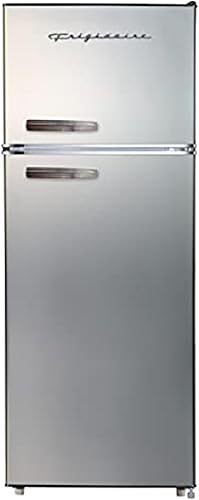
Frozen eggs maintain best quality for up to 4 to 6 months, though they remain safe to eat indefinitely if kept at a constant 0 degrees Fahrenheit. After that, texture and flavor may decline, especially in yolk heavy mixtures. For long term storage, consider using a dedicated chest freezer or an upright freezer with a consistent temperature. A refrigerator with a good freezer section, like the Frigidaire EFR753 PLATINUM (7.5 cu ft), offers a spacious freezer compartment that can hold several trays of frozen eggs. Always label containers with the date so you can rotate stock. Thaw only what you need and never refreeze thawed eggs.
Thawing and Using Frozen Eggs
The safest way to thaw frozen eggs is in the refrigerator overnight. For quick thawing, place the sealed container in a bowl of cold water, changing the water every 30 minutes. Never thaw eggs at room temperature or in hot water, as this can promote bacterial growth. Once thawed, use eggs immediately and do not refreeze. Thawed whole eggs and yolks work best in cooked dishes like scrambled eggs, quiches, or baked goods. Thawed egg whites whip up nicely for meringues, macarons, or angel food cake. Avoid using thawed eggs for dishes where texture is critical, like poached or fried eggs, as the consistency changes slightly.
Refrigerator Options for Storing Frozen Eggs
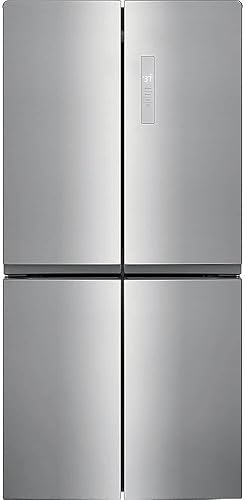
A reliable refrigerator with a consistent freezer temperature is key for long term egg storage. The Frigidaire EFR753 PLATINUM (4.1 stars, 586 reviews) features a 7.5 cu ft capacity with a top freezer that offers ample space for frozen egg containers. Its manual defrost system maintains stable temperatures. For smaller households, the Galanz GLR44BEER (3.9 stars) is a 4.4 cu ft freestanding fridge with automatic defrost, ideal for storing a few trays of frozen eggs. If you need more freezer capacity, consider an upright freezer or chest freezer. The Samsung RF18A5101SR/AA (3.9 stars, 23 reviews) is a 18 cu ft French door model with a frost free freezer that can hold multiple egg containers while keeping other frozen foods organized.
Tips for Avoiding Freezer Burn on Eggs
Freezer burn occurs when air reaches the surface of frozen food, causing dehydration and off flavors. To protect your frozen eggs, use airtight containers and remove as much air as possible before sealing. Vacuum sealing is the best method, but pressing plastic wrap directly onto the egg mixture before closing the lid also works. Portion eggs into small containers so you only thaw what you need, reducing repeated exposure to air. Ensure your freezer maintains a steady 0 degrees Fahrenheit. A refrigerator like the Frigidaire FRQG1721AV (4.3 stars, 268 reviews) offers reliable temperature control. If you notice ice crystals on the surface, the eggs are still safe but may have slightly altered texture; use them in cooked dishes where the difference is less noticeable.
Frequently asked questions
Can you freeze eggs in their shell?
No. Freezing eggs in the shell causes the liquid to expand and crack the shell, leading to a mess and potential bacterial contamination. Always crack eggs and freeze them in a container.
How long can frozen eggs be stored?
Frozen eggs are safe indefinitely at 0 degrees Fahrenheit, but for best quality, use within 4 to 6 months. Longer storage may affect texture and flavor, especially in yolks.
Can you freeze hard boiled eggs?
Technically yes, but the texture becomes rubbery and watery upon thawing. It is not recommended. Freeze raw eggs instead for better results in cooking and baking.
What can you use thawed frozen eggs for?
Thawed whole eggs are great for scrambled eggs, omelets, and baking. Thawed yolks work in custards and sauces, while thawed whites whip up for meringues or angel food cake. Avoid using for poached or fried eggs.