Can You Freeze Fresh Herbs? Yes, Here's How
Freezing fresh herbs locks in flavor and reduces waste. Learn the best techniques, which herbs freeze well, and how your freezer's temperature consistency matters for long-term quality.
Yes, you can freeze fresh herbs, and doing so preserves their flavor for months when done right. The key is choosing the right method based on the herb type and how you plan to use them later.
Freezing herbs is a practical way to extend their shelf life without sacrificing taste. Unlike drying, freezing retains the fresh, vibrant flavors of herbs like basil, cilantro, and dill. However, texture will change, so frozen herbs are best for cooked dishes rather than raw garnishes. With a reliable freezer and proper storage, you can enjoy garden-fresh herbs all year round.


Which Herbs Freeze Best?
Not all herbs freeze equally well. Hardy herbs like rosemary, thyme, sage, and oregano freeze beautifully because their leaves hold up to cold temperatures. Soft herbs such as basil, cilantro, mint, and parsley work better when pureed with oil or water before freezing. Basil tends to turn black if frozen whole, but a basil puree stays green and flavorful. Chives and dill also freeze nicely, especially when chopped and packed into ice cube trays. For best results, always use the freshest herbs you can, as freezing won't improve quality.
Best Freezing Methods for Fresh Herbs
There are three main methods for freezing herbs, each suited to different uses. The first is whole-leaf freezing: wash, dry thoroughly, then spread leaves on a baking sheet and freeze for an hour before transferring to a bag. This works for rosemary and thyme. Second is the ice cube tray method: chop herbs, pack into ice cube trays, cover with water or oil, and freeze. Pop out cubes and store in a freezer bag. This is ideal for basil, cilantro, and dill. Third is the puree method: blend fresh herbs with a little oil or water and freeze in small portions. This works well for basil and parsley when planning to use them in sauces or soups.
What About Storage Containers?
Proper storage is critical for preventing freezer burn and preserving flavor. Use airtight containers or heavy-duty freezer bags, and remove as much air as possible before sealing. Freezer-safe glass jars with tight lids are fine for purees, but leave headspace as liquids expand when frozen. Suction-sealed bags are ideal if you have a vacuum sealer. Avoid thin plastic bags or containers not designed for freezing, as they can crack or allow moisture loss. Label each package with the herb type and date so you can rotate your stock. Most frozen herbs maintain peak quality for 4 to 6 months.
How Freezer Temperature Matters
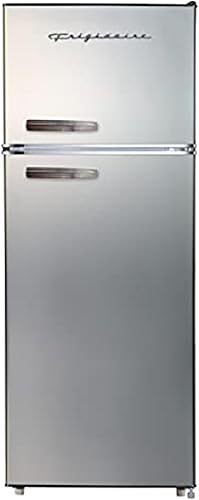
Consistent freezer temperature is crucial for long-term herb quality. A freezer that fluctuates can cause thawing and refreezing, which degrades flavor and texture. The ideal temperature is 0°F (-18°C). If your freezer has a temperature alarm or digital readout, use it to monitor stability. For larger batches, a dedicated chest or upright freezer can be a great investment. Even a compact freezer like the Frigidaire EFR753-PLATINUM, with its 7.5 cu ft capacity and manual defrost, can handle bulk herb storage. If you use a smaller freezer, like the Galanz GLR44BEER (4.4 cu ft), just ensure it maintains a steady temperature.
Using Frozen Herbs in Cooking
Frozen herbs are best added directly to cooked dishes like soups, stews, sauces, and casseroles without thawing. For herbs frozen in water cubes, simply toss the cube into the pot. For oil-based cubes, they can go straight into a hot pan. Leafy herbs like rosemary and thyme can be added frozen, but you may want to strip leaves from stems before freezing. Avoid using frozen herbs as a garnish, as their texture will be limp. If you need fresh herbs for salads or finishing, consider keeping a small potted herb plant instead.
Do You Need a Special Fridge or Freezer?
You don't need a special appliance to freeze herbs, but a reliable freezer ensures best results. If you're short on space, a compact refrigerator with a good freezer compartment can work. For example, the Frigidaire EFR753-PLATINUM (7.5 cu ft) has a top freezer that runs cold enough for herb storage. For larger operations, an upright or chest freezer is more efficient. The Samsung RF18A5101SR/AA (18 cu ft, frost free) offers consistent temperature and ample space. However, any freezer that holds 0°F will do the job; focus on airtight packaging and organization.
Long-Term Satisfaction: What Buyers Still Like After Months
After freezing herbs for several months, the biggest satisfaction comes from having fresh-tasting herbs during winter. Buyers of freezers like the Frigidaire EFR753-PLATINUM (4.1 stars, 586 reviews) appreciate the consistent temperature and ease of use. The Galanz GLR44BEER (3.9 stars) is a budget-friendly option for small spaces. Reviewers note that a dedicated freezer drawer or compartment helps keep herbs organized. Long-term, the key is labeling and rotation. Many users report that six months later, frozen herbs (especially hardy ones) still taste nearly as good as fresh.
Frequently asked questions
Can you freeze fresh herbs without blanching?
Yes, most herbs do not require blanching before freezing. Hardy herbs like rosemary and thyme freeze well raw. Soft herbs like basil and cilantro can be frozen directly in oil or water cubes without blanching.
Do frozen herbs lose their flavor?
Frozen herbs retain much of their flavor if stored properly in airtight containers at 0°F. Some volatile oils may diminish over months, but the flavor is still superior to dried herbs for cooking.
How long can you keep frozen herbs?
Frozen herbs maintain best quality for 4 to 6 months. After that, they are still safe to eat but may lose flavor and texture. Always check for freezer burn before use.
Can you freeze herbs in olive oil?
Yes, freezing herbs in olive oil is a great method, especially for basil, oregano, and rosemary. Use ice cube trays, then transfer cubes to a freezer bag. The oil helps preserve flavor and prevents browning.