Can You Freeze Milk? Yes, and Here's How
Freezing milk is a simple way to extend its shelf life. Learn the best practices for freezing and thawing, plus which refrigerators keep your milk fresh longer.
Yes, you can freeze milk. Freezing milk is a safe and effective way to extend its shelf life by up to three months. Whether you bought in bulk or want to stock up during sales, freezing preserves the nutritional value and taste when done correctly.
The key is to use proper containers, leave headspace for expansion, and thaw in the refrigerator. Once thawed, shake well to reincorporate any separation. While the texture may change slightly, frozen milk works great for cooking, baking, and drinking. For long-term satisfaction, pairing your frozen milk with a reliable refrigerator helps maintain consistency.


How to Freeze Milk Properly
To freeze milk successfully, start with fresh milk that hasn't passed its expiration date. Pour off a small amount to leave about an inch of headspace in the container, as milk expands when frozen. Use freezer-safe containers or heavy-duty freezer bags. For convenience, freeze in portion sizes you'll use within a day or two. Label each container with the date. Milk can be frozen for up to three months for best quality. Avoid freezing milk in glass bottles unless they are specifically designed for freezing, as glass can crack.
Thawing Frozen Milk: Best Practices
The safest way to thaw frozen milk is to transfer it from the freezer to the refrigerator and let it thaw slowly over 24 hours. Never thaw milk at room temperature or in hot water, as this can promote bacterial growth. Once thawed, shake or stir the milk vigorously to reincorporate any fat that has separated. The texture may be slightly grainy or watery, but this is normal and doesn't affect safety. Use thawed milk within three to five days. It's ideal for cooking, baking, or smoothies, though some people notice a slight change in taste for drinking.
Does Freezing Affect Milk's Quality?
Freezing milk can cause slight changes in texture and appearance due to fat separation. After thawing, you may notice a grainy or layered look, but this is purely cosmetic. Nutritional value remains largely unchanged, including calcium, protein, and vitamins. For best results, use frozen milk in recipes where texture isn't critical, such as soups, sauces, or baked goods. Whole milk tends to separate more than skim milk, but shaking resolves it. Many buyers report that frozen milk tastes perfectly fine in coffee or cereal after thawing.
Best Containers for Freezing Milk
You can freeze milk in its original plastic jug if you pour out a cup to leave room. However, original cartons are not ideal because they may burst. Better options include rigid plastic freezer containers, wide-mouth mason jars (leave headspace), or freezer-safe Ziploc bags laid flat to save space. Glass jars with straight sides and no shoulders work if you leave at least an inch of space. Avoid overfilling any container. For long-term satisfaction, using containers that seal tightly prevents freezer burn and odor absorption.
How Long Can You Freeze Milk?
Milk can be frozen for up to three months while maintaining best quality. After that, it remains safe to drink but may develop off flavors or freezer burn. For optimal taste, use frozen milk within one to two months. Always check for any off odors or discoloration after thawing. If the milk smells sour or looks curdled beyond normal separation, discard it. Proper storage at 0 degrees F or below is essential. A dedicated freezer or a refrigerator with a reliable freezer compartment helps maintain consistent temperature.
What Kind of Milk Freezes Best?
All types of milk can be frozen, but results vary. Whole milk and cream may show more separation after thawing, while skim milk and buttermilk freeze with less texture change. Plant-based milks like almond or soy milk freeze well but may separate more; blending after thawing helps. Evaporated and condensed milk also freeze successfully. Raw milk freezes similarly to pasteurized. For drinking, thawed skim milk often scores highest for taste. Buyers who freeze milk regularly recommend homogenized milk for the smoothest thawed texture.
Choosing a Refrigerator for Milk Storage
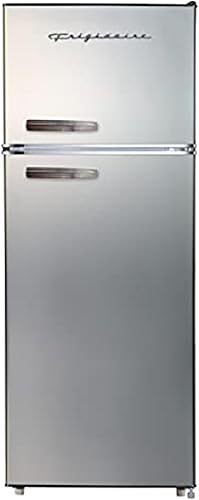
A good refrigerator keeps milk fresh longer, whether frozen or chilled. Look for models with consistent temperature control and ample freezer space. The Frigidaire EFR753-PLATINUM (ASIN: B09DTNMTGV) is a popular choice with 7.5 cu ft capacity and a top freezer, rated 4.1 stars from 586 reviews. For larger families, the Samsung RF18A5101SR/AA (ASIN: B09HJR2W4P) offers 18 cu ft French door design with frost free defrost. Both provide reliable cooling for storing frozen milk and keeping fresh milk cold. Check specs like automatic defrost and adjustable shelves for convenience.
Frequently asked questions
Can you freeze milk in plastic bottles?
Yes, you can freeze milk in its original plastic jug, but pour out a cup to leave headspace. The jug may bulge but should not burst. For best results, use freezer-safe containers or bags to prevent leaks and freezer burn.
Does frozen milk taste different after thawing?
Thawed milk may taste slightly different due to fat separation, but many people find it fine for drinking. Shaking well helps. Use in coffee, cereal, or recipes where the difference is less noticeable.
How long does thawed milk last in the fridge?
Thawed milk should be used within three to five days. Keep it refrigerated at 40 degrees F or below. If it smells sour or looks curdled beyond normal separation, discard it.
Can you freeze milk in glass jars?
Yes, but use wide-mouth jars designed for freezing, and leave at least an inch of headspace. Avoid jars with narrow shoulders, as expanding milk can crack them. Thaw in the refrigerator.