Can You Freeze Soup? Everything You Need to Know
Freezing soup is a great way to save leftovers and meal prep. But doing it right means choosing the right containers, cooling methods, and a fridge that keeps your freezer at the optimal temperature.
Yes, you can freeze soup. In fact, freezing soup is one of the best ways to preserve large batches for quick meals later. Most soups freeze well for 2 to 3 months if stored properly. The key is to cool the soup quickly before freezing, use airtight containers, and leave headspace for expansion.
To get the best results, you also need a freezer that maintains a consistent 0°F. That’s where choosing the right refrigerator matters. Whether you have a built-in or a standalone freezer, models with good temperature control and enough capacity make freezing soup easy. In this guide, we’ll cover everything from container choices to recommended fridges that help your frozen soup stay fresh.


Best Containers for Freezing Soup
The best containers for freezing soup are airtight, freezer safe, and leave some headspace. Glass mason jars work well, but leave at least an inch of space because liquids expand when frozen. Freezer bags are another great option. Squeeze out excess air before sealing and lay them flat to save space. Rigid plastic containers with snap lids are also reliable, though they can become brittle over time. Avoid using deli containers or thin takeout containers. They may crack or leak. For single servings, use silicone muffin cups or ice cube trays, then pop the frozen soup cubes into a bag. This method is perfect for adding small amounts of soup to dishes.
How to Cool Soup Before Freezing
You should never put hot soup directly into the freezer. Doing so raises the freezer temperature, which can partially thaw other foods and create food safety risks. Instead, cool the soup quickly before freezing. One method is to place the pot in an ice bath and stir until the soup reaches room temperature. Another option is to divide the soup into smaller shallow containers. They cool faster than a large pot. Once cooled, transfer to freezer containers and refrigerate for a few hours before moving to the freezer. This gradual cooling helps maintain texture and flavor. Soups with cream or dairy may separate when frozen, so consider adding those after thawing.
How Long Can You Freeze Soup?
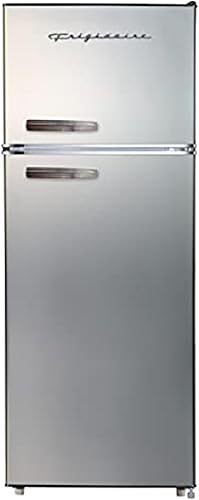
Most soups can be frozen for 2 to 3 months without significant quality loss. After that, the texture and flavor may start to degrade. Soups with meat or seafood are best used within 2 months. Vegetable soups can last up to 3 months. Cream based soups may separate and become grainy after longer storage. To keep track, label each container with the soup type and date. Use a permanent marker on freezer bags or tape on containers. For best results, rotate your freezer stock and use the oldest soups first. The consistent temperature of a freezer around 0°F is key. If your fridge has a separate freezer with precise controls, like the Frigidaire EFR753-PLATINUM, it helps maintain that ideal temperature.
Thawing and Reheating Frozen Soup
The safest way to thaw frozen soup is in the refrigerator overnight. This keeps the soup below 40°F as it thaws, preventing bacterial growth. For quicker thawing, you can place the sealed container in a bowl of cold water, changing the water every 30 minutes. Once thawed, reheat the soup on the stovetop or in the microwave until it reaches a rolling boil. Stir occasionally to ensure even heating. Soups with noodles or rice may become mushy after freezing. If you plan to freeze such soups, consider undercooking the pasta or rice slightly, or freeze the broth separately and add fresh noodles when reheating. Cream soups might need a vigorous whisk to re emulsify.
Does Freezing Change Soup Texture?
Freezing can change the texture of some soups, especially those high in dairy, starch, or vegetables with high water content. For example, cream based soups may separate and look curdled after thawing. To fix this, whisk the soup vigorously while reheating, or add a splash of cream. Soups containing potatoes can become grainy or watery. Consider using waxy potatoes or freezing the soup without potatoes and adding fresh ones later. Vegetables like celery, zucchini, or peppers can become limp. For best texture, puree the soup before freezing, or choose soups that are naturally smooth or brothy. Chunky vegetable soups are better eaten fresh. The Galanz GLR44BEER has a compact freezer that’s great for small batch freezing, with automatic defrost to minimize ice crystal buildup that can damage texture.
Which Refrigerators Help With Freezing Soup?
A refrigerator with a reliable freezer section makes freezing soup easier. For smaller kitchens or as an extra freezer, the Galanz GLR44BEER (4.4 cu ft, $259.99) offers automatic defrost and a dedicated freezer compartment. While compact, its compressor cooling maintains consistent temperatures. If you need more space, the Frigidaire EFR753-PLATINUM (7.5 cu ft, $329.00) has a top freezer with manual defrost, which is efficient for long term storage. It’s popular with over 580 ratings. For larger families, the Samsung RF18A5101SR/AA (18 cu ft, $1299.00) is a French door model with frost free cooling and plenty of freezer space. Its three shelves and temperature control help organize soup containers. Each of these models supports proper freezing with adequate capacity and stable temperatures.
Frequently asked questions
Can you freeze soup in plastic containers?
Yes, but use containers labeled freezer safe. Rigid plastic with airtight lids works well. Avoid thin takeout containers as they can crack. Leave some headspace for expansion.
How long does soup last in the freezer?
Most soups keep for 2 to 3 months. For best quality, use within that time. Soups with meat should be used within 2 months. Always check for off smells or freezer burn before reheating.
Can you freeze creamy soups?
Yes, but they may separate or become grainy. To improve texture, whisk vigorously while reheating or add a splash of fresh cream. Consider freezing the base without cream and adding it after thawing.
Should I freeze soup with noodles or rice?
You can, but noodles and rice absorb liquid and become mushy. For better results, undercook them slightly before freezing, or freeze the broth separately and add fresh noodles when reheating.