Can You Freeze Tomatoes? The Complete Guide
Freezing tomatoes is easy and preserves their flavor for soups, sauces, and more. We explain the best techniques and how to choose a freezer that fits your needs.
Yes, you can freeze tomatoes. Whether you have a bumper crop from the garden or scored a deal at the farmers market, freezing is a simple way to preserve tomatoes for months. The key is to prepare them properly: wash, remove stems, and either freeze whole on a tray or blanch and peel first. Frozen tomatoes work best in cooked dishes like sauces, stews, and soups since their texture softens after thawing.
Freezing tomatoes saves money and reduces waste, but the right freezer space matters. A dedicated chest freezer or a refrigerator with a spacious freezer compartment makes all the difference. In this guide, we cover the best methods for freezing tomatoes, how to store them for maximum quality, and which refrigerators and freezers can handle the job. We also look at long term satisfaction: what buyers still like months after their purchase.

Does Freezing Tomatoes Work Well?
Freezing tomatoes works great for cooking, but not so much for fresh eating. Once thawed, tomatoes lose their firm texture and become watery and mushy. That makes them ideal for sauces, soups, and chili, where you cook them down anyway. The flavor remains bright and tomatoey, especially if you freeze them at peak ripeness. Many home cooks find frozen tomatoes more convenient than canned because you skip the canning process. You just grab a frozen tomato and drop it directly into the pot. No peeling needed if you freeze them whole. For best results, freeze tomatoes when they are fully ripe but not overripe. Overripe tomatoes can develop off flavors in the freezer.
How to Freeze Tomatoes Step by Step
Start by washing and drying your tomatoes. Remove the stems and any bruised spots. For whole tomatoes, spread them on a baking sheet in a single layer and freeze until solid, about 2 to 4 hours. Then transfer them to freezer bags or containers. This prevents them from clumping together. Alternatively, blanch tomatoes for 30 to 60 seconds, plunge into ice water, peel, and then freeze. Peeled tomatoes take up less space and are ready to use in recipes. You can also chop or crush tomatoes before freezing. Portion them into recipe sized amounts. Label bags with the date. Frozen tomatoes keep their best quality for about 6 to 8 months, but they remain safe to eat much longer.
Best Containers for Freezing Tomatoes
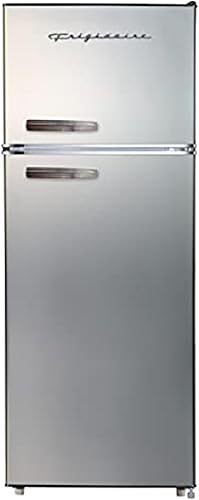
Use freezer safe plastic bags, rigid containers, or glass jars with wide mouths to leave headspace for expansion. Vacuum sealing removes air and prevents freezer burn. If using bags, squeeze out as much air as possible before sealing. Glass jars work but must be tempered for freezing; leave at least an inch of headspace. Many owners of the Frigidaire EFR753-PLATINUM, which has a 7.5 cu ft freezer top compartment, find that stacking flat bags of frozen tomatoes maximizes space. The Frigidaire EFR753-PLATINUM has a 4.1 star rating across 586 reviews, and buyers appreciate the roomy freezer for bulk storage. For larger quantities, a chest freezer like the ones we recommend can hold dozens of pounds.
Freezing Tomato Products: Sauce, Paste, and Juice
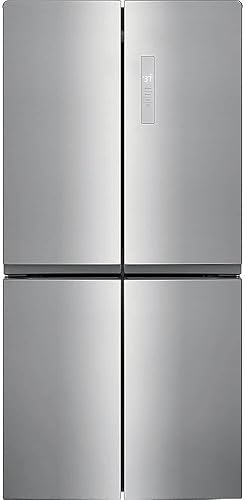
You can freeze tomato sauce, paste, and juice just as easily as whole tomatoes. Cook your sauce or reduce paste, let it cool completely, then pour into freezer safe containers. Leave headspace for expansion. Ice cube trays work great for small portions of paste or concentrated sauce. Once frozen, pop the cubes out and store them in a bag. For juice, freeze in containers or jars with at least an inch of headspace. The Samsung RF18A5101SR/AA, with 18 cu ft capacity and a frost free freezer, offers ample room for multiple containers. It holds a 3.9 star rating from 23 reviews, and owners note the consistent temperature helps preserve quality.
Choosing a Freezer for Tomatoes
If you freeze tomatoes often, a dedicated chest freezer or upright freezer is ideal. The best chest freezers offer large capacity and energy efficiency. For smaller households, a refrigerator with a generous freezer section works well. The Frigidaire EFR753-PLATINUM (7.5 cu ft, freezer top, 4.1 stars, 586 reviews) is a popular choice for its size and reliability. Another option is the Frigidaire FRQG1721AV (5.5 cu ft, 4.3 stars, 268 reviews) which has a compact freezer section. For those needing more freezer space, the Samsung RF18A5101SR/AA (18 cu ft, 3.9 stars, 23 reviews) provides a frost free freezer. Always check the freezer temperature; it should stay at 0 degrees F for optimal tomato storage.
Long Term Satisfaction with Freezer Storage
Months after buying, users of the Frigidaire EFR753-PLATINUM still praise its freezer capacity and temperature consistency. With 4.1 stars across 586 reviews, it remains a top pick for freezing bulk produce like tomatoes. The Samsung RF18A5101SR/AA also earns positive feedback for its frost free operation, which prevents ice buildup that can affect tomato texture. The Frigidaire FRQG1721AV, with a 4.3 star rating, is noted for quiet operation and efficient freezing. For larger families, the Haier QHE16HYPFS (16.8 cu ft, side by side) offers a spacious freezer, though it has no reviews yet. Overall, buyers appreciate refrigerators that maintain stable temperatures and offer flexible storage for frozen tomatoes.
Tips for Thawing and Using Frozen Tomatoes
To thaw frozen tomatoes, place them in the refrigerator overnight or run them under cool water. You can also add frozen tomatoes directly to soups, stews, or sauces without thawing. The skins slip off easily after thawing if you froze them whole. Use thawed tomatoes within a few days and do not refreeze them. Frozen tomatoes work best in cooked dishes; they are not suitable for salads or slicing. For a quick tomato sauce, sauté garlic and onions, then toss in frozen whole tomatoes and simmer until broken down. The liquid released during cooking creates a rich sauce without needing extra water.
Frequently asked questions
Can you freeze tomatoes without blanching?
Yes, you can freeze tomatoes without blanching. Simply wash, dry, and freeze whole on a baking sheet. Once frozen, transfer to bags. The skins will slip off easily after thawing.
How long do frozen tomatoes last?
Frozen tomatoes maintain best quality for 6 to 8 months but remain safe to eat indefinitely if kept at 0 degrees F. For best flavor, use within a year.
Do frozen tomatoes taste good?
Frozen tomatoes taste great in cooked dishes. The texture becomes soft and watery after thawing, but the flavor remains bright and tomatoey, perfect for sauces and stews.
What is the best way to store frozen tomatoes?
Store frozen tomatoes in airtight freezer bags or containers. Remove as much air as possible. For bulk storage, a chest freezer or a refrigerator with a large freezer section works best.