Can You Freeze Yogurt? A Complete Guide to Freezing Yogurt Successfully
Freezing yogurt is possible and convenient, but texture and separation are trade-offs. This guide covers how to freeze yogurt properly, what to use it for later, and which freezers and refrigerators keep it safe.
Yes, you can freeze yogurt. Freezing is a safe way to extend yogurt's shelf life by up to two months, but expect some changes in texture. Yogurt's water content forms ice crystals when frozen, which can cause separation and a grainy or watery consistency after thawing. Still, frozen yogurt works great in smoothies, baking, and cooking where texture doesn't matter as much. The key is to freeze it in airtight containers, leave headroom for expansion, and thaw it slowly in the refrigerator.
Knowing can you freeze yogurt is just the first step. To store frozen yogurt long-term, you need a freezer that maintains a consistent 0 degrees Fahrenheit. Whether you have a compact refrigerator with a small freezer or a larger upright freezer, the right appliance makes a difference. Below we cover freezing methods, best practices, and which refrigerators and freezers help you get the most out of your frozen yogurt stash.


How Freezing Affects Yogurt Texture and Taste
When you freeze yogurt, the water in it forms ice crystals. These crystals break down the protein network that gives yogurt its creamy texture. After thawing, you may notice separation: a watery layer on top and a firmer, sometimes grainy, yogurt underneath. Stirring can help recombine some of the liquid, but the original smoothness rarely returns. Flavored yogurts with added fruit or sugar freeze slightly better because sugar lowers the freezing point, reducing ice crystal size. Greek yogurt, with its higher protein content, tends to separate less but still changes. For best results, use frozen yogurt within two months. After that, freezer burn and off flavors become more likely. If you plan to use the yogurt in smoothies, these texture changes won't matter. For eating plain, you might prefer fresh yogurt instead.
Best Containers for Freezing Yogurt
Choosing the right container helps minimize texture damage and prevent freezer burn. Airtight, freezer-safe containers are essential. Plastic containers with tight lids, glass jars made for freezing (leave at least an inch of headroom), or silicone freezer trays all work well. Avoid the original yogurt cup: its thin plastic doesn't seal well and can crack. For portion control, freeze yogurt in ice cube trays, then pop the cubes into a freezer bag. This method lets you grab exactly what you need for smoothies. If you use bags, squeeze out as much air as possible before sealing. Label each container with the freeze date and type of yogurt. Stored properly, yogurt stays good for up to two months. Remember to keep your freezer at a steady 0 degrees Fahrenheit for optimal quality.
How to Thaw Frozen Yogurt Safely
Thaw frozen yogurt in the refrigerator, not on the counter. Cold thawing takes 8 to 12 hours for a standard 6-ounce cup, or up to 24 hours for larger containers. Slow thawing preserves what's left of the texture and prevents bacterial growth. Once thawed, stir the yogurt vigorously to reincorporate any separated liquid. If it still seems watery, you can drain off the excess or use the yogurt in cooking. Do not refreeze thawed yogurt: the texture will worsen, and safety risks increase. For smoothies, you can add frozen yogurt directly to the blender without thawing. For baking, thawed yogurt works as a substitute for buttermilk or oil. If the yogurt smells off or shows mold, discard it. Generally, thawed yogurt is safe for about 3 to 5 days in the refrigerator.
What Frozen Yogurt Is Best For: Smoothies, Baking, and More
Frozen yogurt shines in recipes where texture isn't critical. Smoothies are the top use: throw frozen yogurt cubes straight into the blender with fruit and liquid for a creamy, protein-packed drink. In baking, thawed yogurt replaces buttermilk in pancakes, muffins, or cakes, adding moisture without changing flavor. You can also use it in marinades, salad dressings, or soups where a tangy note works. Plain frozen yogurt works best for cooking because you control the sweetness. If you freeze flavored yogurt, account for added sugar in your recipe. Avoid using thawed yogurt in dishes where a smooth, spoonable texture matters, like parfaits or dips. For those, fresh yogurt is better. The good news: freezing lets you stock up on sale yogurt and reduce food waste.
Which Refrigerators and Freezers Work Best for Yogurt Storage
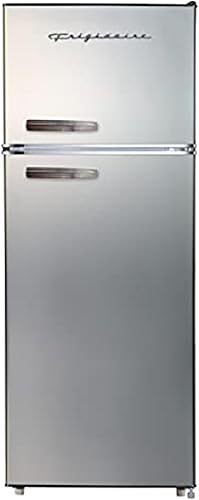
For long-term frozen yogurt storage, a freezer that holds a consistent 0 degrees Fahrenheit is key. Many compact refrigerators, like the Galanz GLR44BEER (4.4 cu ft, $259.99, 3.9 stars), include a small freezer section suitable for a few yogurt cups. For larger quantities, an upright freezer or a refrigerator with a spacious freezer, such as the Frigidaire EFR753-PLATINUM (7.5 cu ft, $329, 4.1 stars across 586 reviews), offers a dedicated top freezer with manual defrost that keeps yogurt solid. If you want a full-sized option, the Samsung RF18A5101SR/AA (18 cu ft, $1299, 3.9 stars) has a frost-free freezer that prevents ice buildup. For dedicated yogurt lovers, a chest freezer or upright freezer can store months' worth. Always check the freezer temperature with an appliance thermometer for best results.
Tips for Buying Yogurt in Bulk and Freezing It
Buying yogurt in bulk saves money, but only if you store it correctly. Look for yogurt with the furthest expiration date, then freeze it well before that date. Divide large containers into portion sizes you'll actually use: 1/2 cup or 1 cup portions are convenient. If you freeze Greek yogurt, it may separate less but still benefits from stirring after thawing. Avoid freezing yogurt in glass containers that aren't tempered for freezing: they can crack. For best quality, use frozen yogurt within two months. Label each container with the freeze date and type (plain, vanilla, fruit). When you're ready to use it, thaw in the fridge overnight. If you find yourself freezing yogurt often, consider a refrigerator with an adjustable freezer temperature, like the Frigidaire EFR753-PLATINUM, which lets you dial in the cold.
Common Mistakes When Freezing Yogurt
One common mistake is freezing yogurt in its original container. Those thin plastic cups aren't airtight, leading to freezer burn and off flavors. Another mistake is not leaving headroom: yogurt expands as it freezes, so containers can crack or lids pop off. A third mistake is thawing yogurt at room temperature, which can cause uneven thawing and bacterial growth. Also, don't freeze yogurt that's already close to its expiration date; freeze it while it's still fresh. Finally, expecting the same texture as fresh yogurt sets you up for disappointment. Frozen and thawed yogurt will be thinner or grainier. Use it in smoothies or baking, and you won't notice. Avoid refreezing thawed yogurt: the texture degrades further and safety becomes a concern. If you avoid these pitfalls, freezing yogurt is a practical way to reduce waste.
Frequently asked questions
Does freezing yogurt kill probiotics?
Freezing does not kill probiotics, but it may reduce their activity. Some bacteria survive freezing and become active again after thawing. For maximum probiotic benefit, eat yogurt fresh, but frozen yogurt still offers some benefits.
Can I freeze Greek yogurt?
Yes, Greek yogurt freezes well. Its higher protein content helps it hold together better than regular yogurt. Expect some separation after thawing, but stirring usually restores a decent texture. Use it in smoothies or baking for best results.
How long does frozen yogurt last in the freezer?
Frozen yogurt stays safe indefinitely, but quality declines after 2 months. For best taste and texture, use it within 1 to 2 months. Beyond that, freezer burn and off flavors may develop. Always label with the freeze date.
Can I refreeze thawed yogurt?
It is not recommended. Refreezing causes further texture degradation and increases the risk of bacterial growth if the yogurt was not thawed properly in the refrigerator. Thaw only what you plan to use within a few days.