Can You Refreeze Meat After Thawing?
If you've thawed meat and need to refreeze it, the answer is yes, but only under certain conditions. Here's what you need to know about safety and quality.
Yes, you can refreeze meat after thawing, as long as it was thawed safely in the refrigerator and hasn't been left out at room temperature for more than two hours. The USDA confirms that refreezing is safe if the meat was handled properly, though there may be a loss of quality due to moisture loss during thawing.
Understanding when and how to refreeze meat is key to reducing food waste while keeping your family safe. The main factors are the thawing method, the temperature history, and how long the meat has been above 40°F. A reliable refrigerator with consistent temperature control can make a big difference in preserving meat quality, so choosing a good fridge matters for long-term storage success.

When Can You Refreeze Meat?
You can safely refreeze meat if it was thawed in the refrigerator and has been kept at 40°F or below. If you thawed it in cold water or the microwave, cook it first before refreezing. Meat that has been left at room temperature for over two hours should be discarded. The key is that the meat must never have entered the temperature danger zone (40°F to 140°F). Even if the meat looks and smells fine, bacteria can multiply rapidly, so following these rules is critical. Refreezing is a great way to save money and reduce waste, but only when done correctly.
Does Refreezing Affect Meat Quality?
Yes, refreezing can affect the texture and juiciness of meat. Each time meat freezes, ice crystals form and can puncture cell walls, leading to moisture loss when thawed again. This can make the meat drier or tougher. Ground meat and poultry are more susceptible to quality loss than larger cuts like roasts or steaks. To minimize quality loss, freeze meat as quickly as possible, and consider vacuum sealing or using freezer paper to reduce air exposure. While safety is the top priority, expect some decline in quality with each freeze-thaw cycle.
How to Safely Thaw and Refreeze Meat
The safest way to thaw meat is in the refrigerator, where it stays at a consistent, safe temperature. Place the meat on a plate to catch any drips, and allow enough time for full thawing (a large turkey may need 24 hours per 4-5 pounds). Once thawed, you can refreeze it immediately if you haven't cooked it. If you thaw in cold water (changing water every 30 minutes) or in the microwave, you must cook the meat before refreezing. Never refreeze meat that was thawed at room temperature or left out for more than two hours.
Signs That Meat Should Not Be Refrozen
Before deciding to refreeze, check the meat for off odors, sliminess, or discoloration. If any of these are present, the meat may have spoiled and should be thrown away. Also, if the meat was thawed in the refrigerator but has been in the fridge for more than 3-5 days (depending on the type), it's best to cook or discard it rather than refreeze. When in doubt, remember the old adage: 'When in doubt, throw it out.' Safety always comes first.
Choosing a Fridge That Keeps Meat Fresh Longer
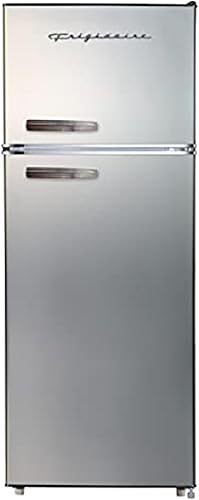
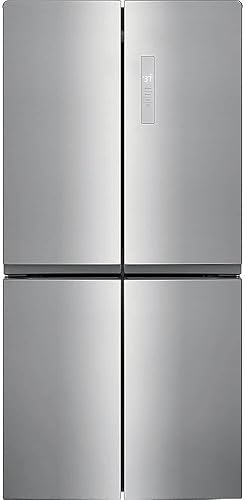
A refrigerator with precise temperature control and consistent cooling helps maintain food safety and quality. For example, the Frigidaire EFR753-PLATINUM (4.1 stars, 586 reviews) offers a 7.5 cu ft capacity with a top freezer and manual defrost, which many users find reliable for long-term storage. Its reversible door and adjustable shelves make organizing meat easy. If you need more space, the Frigidaire FRQG1721AV (4.3 stars, 268 reviews) provides 5.5 cu ft with a compact design. For larger families, the Samsung RF18A5101SR/AA (3.9 stars, 23 reviews) offers 18 cu ft with a French door configuration and frost-free defrost, ideal for keeping meat at consistent temperatures.
Tips for Organizing Your Freezer for Meat Storage
Keep your freezer at 0°F or below for optimal meat preservation. Use airtight packaging or freezer bags to prevent freezer burn. Label each package with the type of meat and date frozen. Store raw meat below cooked foods to avoid cross-contamination. If you refreeze meat, use it as soon as possible after the second thaw. Rotate older packages to the front so you use them first. A well-organized freezer not only saves time but also helps you avoid forgetting what you have, reducing food waste.
Common Myths About Refreezing Meat
Myth: Refreezing meat destroys all bacteria. Fact: While freezing stops bacterial growth, it does not kill bacteria. Only cooking to safe internal temperatures kills bacteria. Myth: You cannot refreeze meat if it was thawed in the fridge. Fact: You absolutely can, as long as it hasn't been too long. Myth: Refrozen meat is unsafe. Fact: It is safe if handled properly, though quality may decline. Understanding these myths helps you make informed decisions and avoid unnecessary food waste.
Frequently asked questions
Can you refreeze meat after thawing it in the refrigerator?
Yes, you can refreeze meat that has been thawed in the refrigerator as long as it has not been left in the fridge for more than 3-5 days. The USDA confirms this is safe, though the meat may be slightly drier after the second thaw.
How many times can you refreeze meat?
Technically, you can refreeze meat multiple times if it is thawed safely each time, but quality will degrade with each cycle. For best results, try to refreeze only once and cook the meat after the second thaw.
Can you refreeze meat that was thawed in the microwave?
No, you should not refreeze meat that was thawed in the microwave. The microwave can heat parts of the meat above 40°F, promoting bacterial growth. Instead, cook the meat immediately, then you can freeze the cooked food.
Does refreezing meat kill bacteria?
No, freezing does not kill bacteria. It only stops bacterial growth. Cooking meat to the proper internal temperature (145°F for whole meats, 160°F for ground, 165°F for poultry) is the only way to kill bacteria.