Why Is There Condensation Inside My Refrigerator?
Condensation inside your refrigerator is annoying but often fixable. This guide explains common causes like door seals, humidity, and temperature settings, and when you might need a new fridge.
Condensation inside refrigerator is usually caused by warm, humid air sneaking in. The most common culprits are a worn door gasket, leaving the door open too long, or a clogged defrost drain. Before you panic, check your temperature settings and make sure the door seals tight. In many cases, a simple adjustment or cleaning solves the problem. If your fridge is older or has persistent issues despite troubleshooting, it may be time to consider a replacement. This article walks through the top causes and fixes, plus which refrigerators tend to have fewer condensation complaints based on owner feedback.

Check the Door Gasket First
A loose or cracked door gasket is the number one reason for condensation inside refrigerator. When the seal fails, warm room air enters and hits cold shelves, creating sweat. To test, close the door on a dollar bill. If it slides out easily, the gasket needs cleaning or replacement. Wipe the gasket with warm soapy water to remove grime, then check for cracks. If it's damaged, order a replacement from the manufacturer. This fix costs under $50 and often eliminates condensation entirely.
Adjust Temperature and Humidity Settings
If your fridge is too cold or set to a very low humidity, condensation can form. Ideal refrigerator temperature is 37 to 40 degrees Fahrenheit. Use a standalone thermometer to verify your actual temp, since built-in gauges can drift. Also check the humidity control sliders in the crisper drawers. If they're closed, produce releases moisture into the rest of the fridge. Open them slightly to let air circulate. Lowering the thermostat by a degree or two can reduce sweating without spoiling food.
Clear a Clogged Defrost Drain
A blocked defrost drain is a common cause of water pooling and condensation inside refrigerator. Over time, food particles or ice can clog the drain hole, usually at the back of the fridge. Use a turkey baster or pipe cleaner to flush warm water through the drain. If the water backs up, you found the issue. Some fridges have a drain pan underneath that can overflow if the drain is blocked. Clearing it annually prevents future problems. Models with automatic defrost like the Samsung RF18A5101SR/AA have fewer drain issues but still benefit from occasional cleaning.
Avoid Overfilling and Poor Airflow
Packing your fridge too tightly blocks airflow, causing cold spots and condensation. Air needs to move around food to keep temperatures even. Leave space between items and avoid blocking the vents at the back or sides. Overfilled fridges also make the compressor run longer, increasing humidity inside. If you notice condensation near the back wall, rearrange shelves to allow air circulation. A good rule of thumb is to keep the fridge about 75% full for optimal airflow.
Consider the Age and Efficiency of Your Fridge
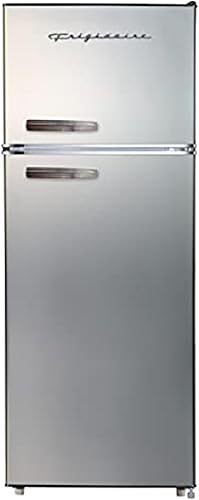
Older refrigerators tend to have more condensation issues due to worn seals, less efficient insulation, and older defrost systems. If your fridge is more than 10 years old and you've tried basic fixes, it may be time for an upgrade. Newer models like the Frigidaire EFR753-PLATINUM (4.1 stars, 586 reviews) have tighter seals and better insulation, reducing moisture problems. Look for models with frost-free or automatic defrost, which handle humidity better. Also check user reviews for mentions of condensation to spot problem models before buying.
When to Replace vs. Repair
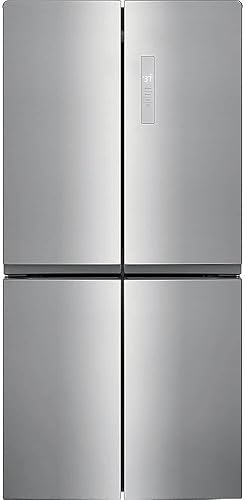
Repairing a minor condensation issue is usually worth it if the fridge is less than 8 years old and otherwise works well. Replace the gasket or clean the drain for under $100. But if the fridge has multiple problems like uneven cooling, loud compressor, or rust on the interior, replacement makes more sense. High-efficiency models like the Frigidaire FRQG1721AV (4.3 stars, 268 reviews) offer better humidity control and lower energy bills. For small spaces, the Galanz GLR44BEER (3.9 stars) is a budget-friendly option, though some owners note condensation in humid climates. Always compare long-term satisfaction ratings to avoid recurring moisture headaches.
Frequently asked questions
Is condensation inside the refrigerator dangerous?
Usually not, but it can lead to mold growth and food spoilage if ignored. Wipe up moisture regularly and fix the underlying cause to keep your fridge safe and efficient.
Why does my fridge get condensation only in summer?
Higher outdoor humidity means more moisture in the air. When warm humid air enters the fridge, it condenses on cold surfaces. Running a dehumidifier in the room can help reduce the problem.
Can a refrigerator be too cold and cause condensation?
Yes. If the temperature is set below 35°F, the fridge runs longer and creates more cold surfaces, leading to condensation. Raise the temperature to 37-40°F to reduce sweating.
Do all refrigerators have condensation issues?
No, some models are better sealed and insulated. Check user reviews for condensation complaints before buying. Models with frost-free defrost and good door seals, like the Frigidaire EFR753-PLATINUM, tend to have fewer issues.