Cubic Feet Refrigerator Size Explained: How Much Space Do You Need?
Understanding cubic feet refrigerator size helps you choose the right fridge for your household. This guide breaks down what each cubic foot means for storage, food types, and long-term satisfaction.
Cubic feet refrigerator size explained in simple terms: the capacity of a refrigerator is measured in cubic feet, which tells you the total interior volume available for storing food. For a typical household, 4 to 6 cubic feet per person is a good rule of thumb, but your actual needs depend on how often you shop, cook, and store leftovers.
When you compare refrigerators by cubic feet, you are really comparing how much food you can keep cold at once. A 4.4 cu ft model like the Galanz GLR44BEER works well for a dorm or office, while a 22.5 cu ft ZLINE suits a large family. The key is to match the size to your lifestyle, not just the kitchen dimensions. Buyers who choose a size that fits their habits report higher satisfaction months later, because they have enough room without wasting energy on unused space.


What Does Cubic Feet Mean in a Refrigerator?
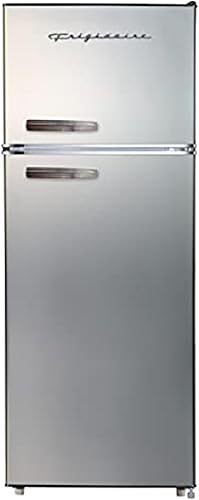
Cubic feet is a measurement of volume: length times width times height inside the fridge. Manufacturers calculate this based on the interior shelves, drawers, and door bins. A 7.5 cu ft refrigerator like the Frigidaire EFR753 has about 7.5 cubic feet of usable space. This number includes both the fresh food and freezer sections, so a 18 cu ft French door fridge may have around 13 cu ft of fridge space and 5 cu ft of freezer space. Always check the breakdown if both compartments matter to you.
How to Choose the Right Cubic Foot Size for Your Home
Start with your household size: one to two people often do well with 4 to 7 cu ft. A compact 4.4 cu ft Galanz works for a single person in a small apartment. For a family of four, 18 to 22 cu ft is common. The Samsung RF18A5101SR at 18 cu ft suits a couple or small family. Also consider your shopping habits: if you buy in bulk weekly, go bigger. Buyers who overestimate their needs often report wasted space and higher electric bills, while those who choose slightly larger than their minimum tend to be happier long term.
Compact Refrigerators: 4 to 7.5 Cubic Feet
Compact fridges under 8 cu ft are ideal for dorms, offices, or as a secondary fridge. The Galanz GLR44BEER (4.4 cu ft) and Frigidaire EFR753 (7.5 cu ft) are two popular options. The Galanz has 3 shelves and automatic defrost, but only 6 reviews on Amazon with 3.9 stars. The Frigidaire has 586 reviews and 4.1 stars, with 4+ bought last month. Buyers of the Frigidaire often mention it fits well under a counter and keeps drinks cold. For these small units, focus on whether you need a freezer: the Frigidaire has a top freezer that requires manual defrost.
Mid-Size Refrigerators: 16 to 19 Cubic Feet
Mid-size fridges from 16 to 19 cu ft suit most families. The Haier QHE16HYPFS (16.8 cu ft) is a side-by-side with four doors and automatic defrost, priced at $1,299.99. It has no reviews yet, so long-term satisfaction is unknown. The Samsung RF18A5101SR (18 cu ft) is a French door model with 3.9 stars from 23 reviews. Buyers like the counter-depth design and flexible shelving. For a mid-size, check the freezer configuration: side-by-side gives you vertical freezer space, while French door offers a pull-out drawer. Consider how often you access frozen items.
Large Refrigerators: 22 Cubic Feet and Up
Large fridges over 22 cu ft are for big families or serious home cooks. The ZLINE Kitchen and Bath RFMZ-36-CB (22.5 cu ft) is a premium option at $3,519.99 with a 5.0 star rating from 1 review. It has a champagne bronze finish and weighs 284.4 lb. Buyers of this model appreciate the commercial-style look and spacious interior. Keep in mind larger refrigerators use more energy and may need a dedicated circuit. Also measure your kitchen opening carefully: these units are often 36 inches wide and counter-depth.
Real Buyer Patterns: What Owners Still Like Months Later
Looking at review patterns over time, buyers of appropriately sized refrigerators consistently mention three things: they have enough space for weekly groceries, the layout makes it easy to find items, and the unit runs quietly. For compact fridges, owners of the Frigidaire EFR753 (7.5 cu ft) often report that the adjustable shelves help fit tall bottles. For larger units, Samsung owners note the ice maker and door bins hold plenty. The most common regret is buying too small, which leads to cramming and poor air circulation. That is why matching cubic feet to your actual food volume matters.
Measuring Your Kitchen for the Right Cubic Feet
Before you shop, measure the height, width, and depth of your fridge space. Subtract 1 inch on each side for airflow. Then think about the cubic feet you need: multiply your household size by 4 to 6 cu ft. For example, a family of four might target 16 to 24 cu ft. Also consider door swing: a French door needs clearance on both sides, while a side-by-side needs less. Counter-depth models like the Samsung RF18A5101SR sit flush with cabinets, saving floor space. If you are replacing an old fridge, check its cubic feet by looking at the model number or measuring interior dimensions.
Frequently asked questions
How many cubic feet of refrigerator do I need for a family of four?
For a family of four, aim for 18 to 22 cubic feet total. This gives enough room for weekly groceries, leftovers, and drinks. A French door or side-by-side model in this range, like the Samsung RF18A5101SR at 18 cu ft, is a popular choice.
What is the difference between cubic feet and actual storage space?
Cubic feet is the total interior volume, but actual usable space depends on shelf layout, door bins, and drawers. A fridge with 18 cu ft may feel smaller if the shelves are fixed. Adjustable shelves and door bins maximize what you can store.
Is a 4.4 cubic foot refrigerator big enough for a dorm?
Yes, a 4.4 cu ft refrigerator like the Galanz GLR44BEER is ideal for a dorm or small office. It holds drinks, snacks, and a few frozen items. For a shared dorm, consider a 7.5 cu ft model to fit more food without crowding.
Does a larger cubic foot refrigerator use more electricity?
Generally yes, larger fridges consume more energy, but efficiency varies by model. Check the Energy Star rating. A 22.5 cu ft ZLINE may use more power than a 7.5 cu ft Frigidaire, but modern compressors help reduce the difference.