Do Pickles Need to Be Refrigerated?
Not all pickles require refrigeration, but understanding the difference between shelf-stable and perishable pickles can save you from spoilage. Here's what you need to know.
Do pickles need to be refrigerated? The short answer is: only after opening. Most commercially made pickles are shelf-stable until opened because they are preserved with vinegar, salt, and heat processing. However, once you break the seal, refrigeration is necessary to slow bacterial growth and maintain crunchiness.
Homemade or refrigerated pickles (like those sold in the deli section) must always stay cold. The same goes for fermented pickles, which rely on live cultures and can spoil at room temperature. Knowing which type you have is key. In this guide, we'll break down the rules for different pickle varieties and explain when a reliable refrigerator becomes your best ally for long-term storage.

Are Pickles Shelf-Stable Before Opening?
Yes, most store-bought pickles are shelf-stable until opened. The combination of vinegar (acid), salt, and heat processing creates an environment where harmful bacteria cannot thrive. You can store unopened jars in a cool, dark pantry for months or even years past the best-by date. However, check the label: if it says "refrigerate after opening" or is found in the refrigerated section, it must stay cold even before opening. For example, Claussen pickles are never heat-processed and require constant refrigeration.
What Happens If You Don't Refrigerate Opened Pickles?
Once opened, pickles are exposed to airborne bacteria. Without refrigeration, spoilage can occur within days. Signs include cloudy brine, soft texture, off smells, or mold. The vinegar content slows but does not stop microbial growth at room temperature. To maximize shelf life, always use a clean utensil to avoid contamination, and return the jar to the fridge immediately after use. Opened pickles typically last 1-3 months in the refrigerator.
How to Store Homemade Pickles Safely
Homemade pickles are not commercially processed, so they require immediate refrigeration if made with a vinegar brine. They last about 1-2 months in the fridge. Fermented pickles (lacto-fermented) should also be refrigerated to slow fermentation and prevent over-souring. For longer storage, consider canning them with a water bath method, which creates a shelf-stable product. Always label your jars with the date to track freshness.
Can You Freeze Pickles?
Freezing pickles is not recommended for eating raw. The high water content causes ice crystals to rupture cell walls, resulting in a mushy texture upon thawing. However, frozen pickles can be used in cooked dishes like soups or relishes where texture matters less. If you do freeze them, use airtight containers and expect a softer product. For best quality, stick to refrigeration.
Best Refrigerators for Pickle Storage
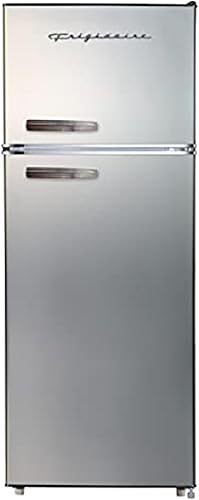
Keeping pickles at a consistent temperature between 35-38°F is ideal. Look for a refrigerator with precise temperature controls and good humidity management. The Frigidaire EFR753-PLATINUM (7.5 cu ft) offers a dedicated freezer top and reversible door, making it flexible for any kitchen. Its 4.1-star rating from 586 reviews shows long-term satisfaction. For a compact option, the Galanz GLR44BEER (4.4 cu ft) has automatic defrost and adjustable shelves, perfect for a dedicated pickle drawer. Both maintain stable temps for preserved foods.
When to Upgrade Your Refrigerator for Better Storage
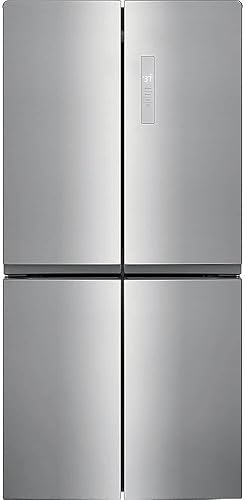
If you frequently store pickles, fermented foods, or condiments, a larger capacity fridge with adjustable shelving can help organize jars. The Frigidaire FRQG1721AV (5.5 cu ft) or Samsung RF18A5101SR/AA (18 cu ft) offer flexible layouts. The Samsung has a 4.3-star rating from 268 reviews, noted for its French door design that accommodates tall jars. Proper airflow and consistent cooling are key to keeping pickles crisp and safe.
Pickle Storage: Common Mistakes to Avoid
One common mistake is storing pickles in the door of the fridge, where temperatures fluctuate more. Instead, keep them on a middle shelf where cold air is stable. Another error is double-dipping with a used fork, introducing bacteria. Always pour out pickle juice rather than dipping. Finally, do not store pickles near raw meat or strong-odor foods, as they can absorb smells through the brine.
Frequently asked questions
Can I leave pickles out overnight after opening?
It is not safe. After two hours at room temperature, bacteria can multiply rapidly. If left out overnight, discard the pickles to avoid foodborne illness.
Do pickles expire if refrigerated?
Yes, but they last 1-3 months past the date if kept sealed and cold. Once opened, consume within that window for best quality.
Why do some pickles say 'refrigerate after opening' while others don't?
Pickles that are not heat-processed, like fresh-pack or fermented varieties, require refrigeration even unopened. Heat-processed pickles are shelf-stable until opened.
Can I reuse pickle brine for new pickles without refrigeration?
No. Used brine has reduced acidity and may contain bacteria from the previous batch. Always refrigerate any new pickles made with used brine.