Do Refrigerators Use a Lot of Electricity?
A modern refrigerator typically uses 300 to 800 kWh per year, costing $40 to $100 annually. But size, age, and features matter. Here's what to know before you buy.
No, most modern refrigerators do not use a lot of electricity compared to other major appliances. A typical new refrigerator consumes between 300 and 800 kilowatt-hours per year, which translates to roughly $40 to $100 annually depending on your local electricity rate. That is far less than an air conditioner, water heater, or clothes dryer.
But the answer to "do refrigerators use a lot of electricity" really depends on the model. A compact 4.4 cu ft fridge like the Galanz GLR44BEER uses less energy than a large French door model. Older fridges built before 2000 can use double the electricity of a modern Energy Star certified unit. Factors like freezer type, defrost method, and ambient temperature also play a role. This article breaks down typical consumption, costs, and how to choose an efficient fridge.


Average Electricity Use of a Refrigerator
The average refrigerator in an American home consumes about 400 to 600 kWh per year, according to energy.gov. That costs roughly $50 to $75 annually at the national average rate of 13 cents per kWh. In comparison, a central air conditioner uses about 3,000 kWh per year, and a clothes dryer uses around 800 kWh. So refrigertors are medium consumers, but they run 24/7, so their share of your bill is steady. Newer Energy Star certified models are 10-15% more efficient than standard models and can save you $30 to $50 over the lifetime of the appliance.
How Energy Use Varies by Refrigerator Type
Size and configuration matter. Compact fridges (4.4 cu ft) like the Galanz GLR44BEER typically use 200-300 kWh per year, making them very efficient for small spaces. Top-freezer models (14-18 cu ft) average 350-500 kWh. French door models (18-22 cu ft) like the Samsung RF18A5101SR/AA often use 500-700 kWh due to larger capacity and extra features like ice makers. Side-by-side and beverage fridges can be slightly higher. Always check the yellow EnergyGuide label for annual kWh estimates.
Top Factors That Increase Electricity Consumption
Several factors can cause a fridge to use more electricity than expected. Age is a big one: refrigerators over 10 years old can be 30-50% less efficient. Manual defrost models require occasional energy to melt frost, while frost-free units use a heater to prevent ice buildup, adding to consumption. Door openings, warm food placement, and poor ventilation (like pushing the fridge against a wall) also increase energy use. Ambient temperature matters: a fridge in a hot garage works harder and costs more to run.
How Much Does It Cost to Run a Refrigerator Per Month?
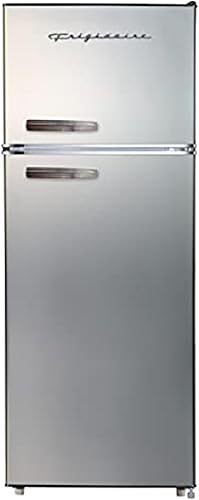
At 13 cents per kWh, a fridge using 500 kWh per year costs about $5.42 per month. A compact model like the Frigidaire EFR753-PLATINUM (7.5 cu ft) might use 350 kWh yearly, costing roughly $3.80 per month. A larger French door fridge like the Samsung RF18A5101SR/AA (18 cu ft) could use 650 kWh, costing about $7.04 per month. To estimate your cost, multiply the fridge's annual kWh (from the EnergyGuide label) by your electricity rate, then divide by 12.
Tips to Reduce Refrigerator Energy Use
Simple habits can lower your fridge's electricity consumption. Keep the coils clean (every 6 months) to improve heat exchange. Set the fridge temperature to 37-40°F and the freezer to 0°F. Don't overfill or underfill; air circulation is key. Cover liquids and food to reduce moisture. Allow hot food to cool before placing inside. Check door seals with the dollar bill test: if it slides out easily, replace the gasket. For an older fridge, consider replacing it with a modern Energy Star model for long-term savings.
Comparing Efficient Refrigerator Models for Your Home
When shopping for an efficient fridge, look for the Energy Star label and compare annual kWh on the yellow tag. Compact models like the Galanz GLR44BEER (4.4 cu ft, 3.9 stars on Amazon) are good for dorms or offices and use minimal electricity. The Frigidaire EFR753-PLATINUM (7.5 cu ft, 4.1 stars across 586 reviews) is a top-freezer with manual defrost but decent efficiency. For larger capacity, the Samsung RF18A5101SR/AA (18 cu ft, 3.9 stars) is a French door with frost-free operation. Always check real owner feedback for long-term satisfaction with energy use.
Do Beverage and Wine Fridges Use Less Electricity?
Beverage and wine fridges typically use less electricity than full-size refrigerators because they are smaller and often set to higher temperatures. A typical wine cooler (20-30 bottles) consumes 80-150 kWh per year. However, compressor-based units like a kegerator or beverage fridge may use similar energy per cubic foot as a regular fridge. For example, the Galanz GLR44BEER (4.4 cu ft beverage fridge) is efficient for its size. If you are adding a secondary fridge, consider a compact model to keep overall energy use low.
Frequently asked questions
Does a refrigerator use a lot of electricity compared to other appliances?
No, a refrigerator uses less electricity than most large appliances. A typical fridge consumes 400-600 kWh per year, while a central AC uses 3,000 kWh and a water heater uses 4,000 kWh. However, because it runs 24/7, it is a steady contributor to your bill.
How many watts does a refrigerator use per day?
A typical refrigerator uses about 1,000 to 2,000 watt-hours per day, or 1-2 kWh. That translates to roughly 100-200 watts on average, though startup can spike to 1,200 watts briefly. Check the EnergyGuide label for exact annual kWh and divide by 365.
Is a 20-year-old refrigerator a big energy drain?
Yes, a 20-year-old fridge can use 2-3 times more electricity than a modern Energy Star model. It may cost $100-$200 more per year to run. Replacing it with a new efficient model often pays for itself in energy savings within 5-7 years.
Does unplugging a refrigerator save electricity when not in use?
Yes, if the fridge is empty and not needed, unplugging it saves the standby electricity and prevents running. However, it is not practical for a daily-use fridge. For a second fridge in the garage, unplugging when empty can save around $50 per year.