Does Mustard Need to Be Refrigerated?
Mustard storage depends on type and use. Here’s the straight answer on refrigeration, shelf life, and how to keep your mustard tasting great for months.
No, mustard does not strictly need to be refrigerated, but for best flavor and longest shelf life, refrigeration is recommended after opening. The high acidity and natural preservatives in mustard make it shelf-stable, but cold storage slows oxidation and flavor loss.
Many people leave mustard out for weeks without issue, but if you want that sharp, bright taste to last, the fridge is your friend. Yellow mustard can sit out longer, while whole-grain or flavored varieties degrade faster at room temperature. So the short answer: you can skip the fridge, but you’ll get more mileage and better taste if you don’t. Let’s dig into the details.

The Short Answer on Mustard Storage
Mustard is a condiment with a natural pH around 3.5, which is acidic enough to inhibit most bacterial growth. That’s why the USDA says opened mustard can stay at room temperature for up to a month without spoiling. However, refrigeration extends its quality window significantly. According to the National Center for Home Food Preservation, refrigerated mustard retains its flavor and texture for 12 to 18 months, versus only 2 to 3 months on the shelf. So while you won’t get sick from unrefrigerated mustard, you may find it loses its punch sooner.
Types of Mustard and Their Refrigeration Needs
Not all mustards are equal. Yellow mustard has the highest acidity and preservatives, making it the most forgiving. Dijon, spicy brown, and honey mustard contain less vinegar and more sugar or spices, which can degrade faster. Whole-grain mustards have seeds that can turn bitter at room temperature. In general, any mustard with added ingredients like fruit, herbs, or garlic needs refrigeration to prevent mold and off-flavors. Always check the label: if it says “Refrigerate After Opening,” follow it.
How Long Does Unrefrigerated Mustard Last?
At room temperature, an opened bottle of yellow mustard can stay palatable for up to 2 months, but flavor decline starts around 3 weeks. Dijon or specialty mustards may only last 1 month. Signs of spoilage include darkening, separation beyond normal settling, off odors, or mold. Unopened mustard can sit in the pantry indefinitely because it’s a condiment that never truly expires, but quality declines after a year. For best results, store all opened mustard in the fridge after the first use.
Does Refrigeration Affect Mustard Taste?
Chilling mustard does not harm its flavor, and many people prefer the cooler temperature on sandwiches and hot dogs. The main effect is that cold mustard thickens slightly, so if you like a runnier consistency, let it sit out for 15 minutes before using. The flavor compounds in mustard are stable at cold temps, and refrigeration actually preserves the volatile oils that give mustard its bite. So refrigerating your mustard means you’ll experience the intended flavor profile longer.
Best Practices for Mustard Storage
Keep mustard in a tightly sealed container to prevent moisture loss and absorption of fridge odors. Place it on a shelf, not the door, where temperature fluctuates less. If you buy mustard in bulk, portion it into smaller jars to minimize air exposure. Avoid introducing crumbs or water into the bottle, as that can introduce bacteria. For long-term storage, freezing is not recommended because thawing can separate the emulsion. Stick with refrigeration for the best balance of convenience and quality.
When to Toss That Old Mustard
Even refrigerated mustard eventually loses its zip. Look for changes in color, texture, or smell. If it develops an off-putting metallic or sour aroma, it’s time to replace it. Mold is rare in acidic mustard but can grow if the lid is not clean. Typically, refrigerated mustard stays good for 1 to 2 years past the “best by” date if unopened, and 6 to 12 months after opening. Trust your senses: if it looks and smells fine, it’s probably safe, but for the best hot dog experience, fresher is better.
Choosing the Right Fridge for Your Condiments
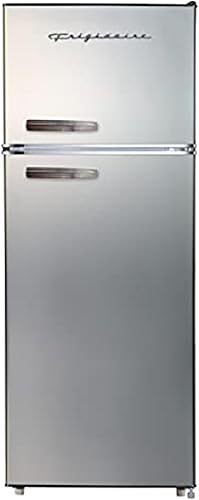
If you store a lot of condiments, having a reliable refrigerator with consistent temperature control helps maintain quality. Options like the Frigidaire EFR753-PLATINUM (7.5 cu ft) offer spacious shelves and a reversible door, making it easy to organize bottles. For smaller kitchens, the Galanz GLR44BEER (4.4 cu ft) provides a compact, freestanding solution with automatic defrost. A well-organized fridge keeps your mustard and other condiments at peak freshness for months.
Frequently asked questions
Does mustard need to be refrigerated after opening?
It doesn’t have to be, but refrigeration is recommended to keep flavor and texture best. The USDA says opened mustard is safe at room temperature for up to a month, but cold storage extends its peak quality to 12 months or more.
What happens if you don’t refrigerate mustard?
Your mustard won’t spoil quickly, but it will lose its sharpness and can darken or separate faster. After a few months at room temperature, the flavor becomes dull and may develop off notes, especially in specialty mustards.
How long can mustard sit out before going bad?
Yellow mustard can sit out safely for up to 2 months, but flavor declines after 3 weeks. Dijon or honey mustard may last only 1 month. Always check for signs of spoilage like mold or off odors before using.
Is it safe to eat mustard that was left out overnight?
Yes, it is safe. Mustard’s high acidity prevents bacterial growth for short periods. Leaving it out overnight is fine, but if you notice any changes in smell or appearance, it’s best to replace it.