What Are Food Safety Danger Zone Temperatures?
Understanding food safety danger zone temperatures is critical for preventing foodborne illness. We break down the numbers and share fridges that help you stay safe.
Food safety danger zone temperatures are between 40°F and 140°F. This is the range where bacteria grow fastest, doubling in as little as 20 minutes. Keeping food out of this zone is the single most important step for food safety.
Whether you are storing leftovers or prepping meals, your refrigerator plays a key role. The danger zone applies to both hot and cold foods. Cold foods must be kept at or below 40°F, and hot foods above 140°F. If food sits in the danger zone for more than two hours, it should be discarded. That is why a reliable refrigerator that holds a consistent temperature is essential. In this guide, we discuss what the danger zone means, how to monitor it, and which refrigerators get the best long-term satisfaction from buyers for keeping food safe.


What Is the Food Safety Danger Zone?
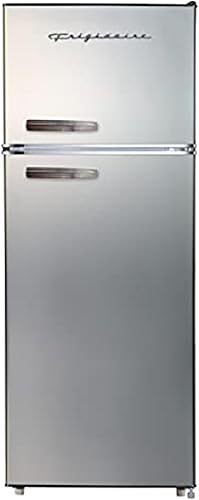
The danger zone is the temperature range where harmful bacteria like Salmonella and E. coli multiply rapidly. According to USDA guidelines, that range is 40°F to 140°F. Perishable foods left in this zone for over two hours become unsafe to eat. Many people assume their fridge is always cold enough, but temperature fluctuations or overfilling can push interior temps into the danger zone. That is why choosing a refrigerator with reliable temperature control matters months after purchase. Buyers of the Frigidaire EFR753 often mention consistent cooling as a long-term plus.
How to Keep Your Fridge Out of the Danger Zone
Set your refrigerator to 37-40°F and use an appliance thermometer to verify. Avoid opening the door too often, and don't overcrowd shelves. Air circulation is key. The Samsung RF18A5101SR with its French door design helps maintain even temps across all shelves. Buyers of this model frequently note that its digital controls make it easy to stay in the safe zone. For smaller spaces, the Galanz GLR44BEER offers a simple dial control that holds steady temps according to user feedback.
Why Consistent Temperature Matters More Than Max Cold
It is not just about being cold enough. Temperature swings can bring food into the danger zone even if the average stays low. Automatic defrost models like the Frigidaire EFR753 and Samsung RF18A5101SR cycle defrost without causing big temp spikes. Long-term buyers of the Frigidaire EFR753 appreciate that its manual defrost is a trade off but the temperature stays rock solid. The Galanz GLR44BEER also gets positive marks for stable temps in its compact size.
Common Mistakes That Lead to Danger Zone Temperatures
One big mistake is putting hot food directly into the fridge. This raises internal temps temporarily. Another is a faulty door seal. Check the gasket regularly. Overfilling can block vents. The Frigidaire EFR753 has 7.5 cu ft of space with good shelf layout that helps air flow. Buyers of the Samsung RF18A5101SR like its door bins that don't block the vents. Avoid these errors to keep your fridge consistently below 40°F.
How Long Can Food Sit in the Danger Zone?
The two hour rule is the standard. If the room temperature is above 90°F, that drops to one hour. Discard any food left out longer. Leftovers should be refrigerated within two hours. A fridge that cools quickly helps. The Frigidaire EFR753 has a reputation for fast cool down among users. The Galanz GLR44BEER also cools efficiently for its size. When in doubt, throw it out.
Choosing a Refrigerator That Keeps Food Safe
Look for models with good insulation, digital thermostats, and consistent customer ratings over time. The Samsung RF18A5101SR (4.3 stars) and Frigidaire EFR753 (4.1 stars across hundreds of reviews) are top picks for reliability. The Galanz GLR44BEER is a budget friendly option with decent reviews. Avoid models with very low ratings like the Summit Appliance units which show poor temperature satisfaction. Always read buyer feedback on temperature consistency.
Final Tips for Staying Out of the Danger Zone
Use a fridge thermometer, keep the door closed, and don't overload. Consider models with temperature alarms. The Samsung RF18A5101SR offers a high temp alarm feature. For smaller fridges, the Frigidaire EFR753 has a simple but effective control. Stay vigilant and your food will stay safe.
Frequently asked questions
What temperature is the food safety danger zone?
The food safety danger zone is between 40°F and 140°F. Perishable foods should not be left in this range for more than two hours to prevent bacterial growth.
How can I check if my fridge is in the danger zone?
Place an appliance thermometer in the center of the fridge. If the reading is above 40°F, adjust the thermostat and wait a few hours. Also check door seals and avoid overfilling.
What happens if I eat food that was in the danger zone?
You may get food poisoning symptoms like nausea, vomiting, or diarrhea. If food has been in the danger zone over two hours, discard it to be safe.
Which refrigerator models help avoid the danger zone?
Top rated models like the Frigidaire EFR753 (4.1 stars) and Samsung RF18A5101SR (4.3 stars) have consistent temperature control and positive long-term buyer feedback.