Fridge Not Cold but Freezer Works: What to Do
If your fridge is warm while the freezer still freezes, the problem is often fixable. Here's why it happens and what you can do to get both zones cold again.
The most likely reason your fridge is not cold but freezer works is a blocked or faulty airflow system. In most modern refrigerators, cold air from the freezer is circulated to the fridge compartment by a fan. If that fan stops working, or if the vents are blocked by ice or food, the freezer stays cold while the fridge warms up.
Other common causes include a failing evaporator fan motor, a defective temperature sensor, or a control board issue. Sometimes the problem is as simple as a door seal that lets cold air escape, or a thermostat set too high. We'll walk through the most likely culprits, how to diagnose them, and when it's time to call a pro or start shopping for a new fridge. If you're in the market for a replacement, we'll also point you to reliable models that keep both compartments properly chilled.


First Check the Vents
Open both doors and look for a vent or grille between the freezer and fridge sections. If it's blocked by food packaging or ice buildup, cold air can't flow down. Clear any obstructions and see if the fridge cools after a few hours. If you see frost blocking the vent, it likely means a defrost issue. Manual defrosting (unplug the unit for 24 hours) can fix ice blockages temporarily, but the underlying problem (like a faulty defrost heater or timer) will need repair.
Listen for the Evaporator Fan
The evaporator fan is usually located inside the freezer, often behind a rear panel. When it's working, you'll hear a gentle humming or whirring sound when the compressor runs. If you hear nothing, the fan motor may be dead or the blades may be jammed by ice. Unplug the fridge and inspect the fan area. A stuck fan can sometimes be freed manually, but a non working motor requires replacement. This repair is moderately DIY friendly, but if you're not comfortable, call a technician.
Check Door Seals and Thermostat
A warm fridge can also result from a leaky door gasket. Close the door on a dollar bill or piece of paper. If you can pull it out easily, the seal is weak and cold air is escaping. Clean the gasket or replace it if torn. Also verify the fridge's thermostat (not the freezer's) is set to around 37 to 40 degrees F. If it's accidentally turned to a warmer setting, the fridge may not cool properly even if the freezer works fine.
Defrost System Troubles
If the fridge is cold but the freezer is actually too warm, that points to a different problem. But when the fridge is warm while the freezer is normal, a failed defrost system can be the cause. Modern frost free refrigerators cycle through a defrost period to melt ice off the evaporator coils. If the defrost heater, timer, or thermostat fails, ice builds up and blocks airflow. You might notice frost in the freezer or on the back wall. A multimeter can check these components, but replacement is often best left to a pro.
When to Repair vs. Replace
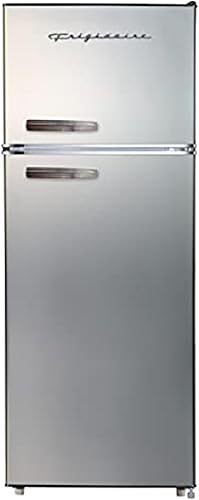
Repair costs typically range from $150 to $400 for a fan motor or defrost part, plus labor. If your fridge is over 10 years old, or the repair quote exceeds half the price of a new model, replacement often makes sense. Also consider energy efficiency: older fridges use more electricity. If you decide to replace, look for models with a dedicated fridge evaporator fan and good airflow design. The Frigidaire EFR753 PLATINUM (around $329) has a top freezer layout that circulates cold air effectively, and it earns a 4.1 star rating from over 500 buyers. For larger families, the Samsung RF18A5101SR/AA French door model (18 cu ft) offers excellent cooling consistency and a 3.9 star rating.
Preventing Future Problems
To keep your fridge running smoothly, don't overfill the fridge section and block the vents. Clean the condenser coils (usually under the refrigerator) every six months to ensure efficient heat exchange. Check door seals regularly and replace them if they feel brittle or loose. Also leave a little space between food items to allow air to circulate. If you notice the fridge cycling on and off too often, it may be a sign of a failing thermostat or compressor. Addressing small issues early can prevent the dreaded fridge not cold but freezer works situation.
Frequently asked questions
Why is my fridge not cold but freezer works?
Most often, the evaporator fan is broken or air vents are blocked by ice or food. The freezer gets cold because the evaporator is there, but the fridge relies on the fan to push cold air down. Check the vents and listen for the fan.
Can a dirty condenser coil cause the fridge to be warm?
Yes, dirty coils reduce the system's efficiency, making it harder to cool both compartments. While the freezer might still get cold, the fridge may struggle. Clean coils every 6 months with a brush or vacuum.
How much does it cost to fix a fridge that is not cold but freezer works?
Typical repairs range from $150 to $400 for a fan motor or defrost component. Service call fees alone are often $75 to $150. If the repair is more than half the cost of a new fridge, replacement is usually better.
Should I replace my fridge if the fridge is warm but freezer is cold?
Only if the fridge is old (10+ years), the repair is expensive, or the problem recurs. Otherwise, fixing the fan or defrost system is cost effective. If you replace, look for models with good airflow like the Frigidaire EFR753 or Samsung RF18A5101.