Garage Ready Refrigerators Explained: Do You Need One?
Garage ready refrigerators explained: what makes them different, which models actually work in unheated spaces, and what long term owners report about performance in hot and cold weather.
Garage ready refrigerators explained simply: they are designed to operate reliably in ambient temperatures that standard kitchen refrigerators cannot handle, typically ranging from 32°F to 110°F. This means they can sit in a hot garage in summer or a cold one in winter without the compressor failing or the freezer thawing.
Standard refrigerators rely on a stable indoor climate around 60°F to 90°F. Push them outside that range and you risk spoiled food, a frozen condenser coil, or a dead compressor. Garage ready models use heavy duty components, stronger insulation, and often a different refrigerant or compressor design to keep cooling correctly. For anyone storing extra drinks, a second freezer, or overflow groceries in the garage, this feature is a must. Below we break down what to look for and which models earn long term satisfaction from real buyers.


What Makes a Fridge Garage Ready?
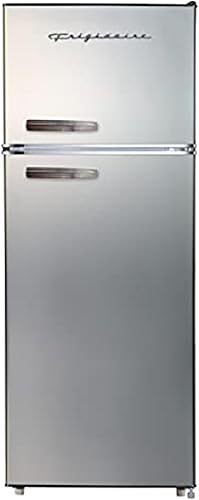
A garage ready refrigerator includes several engineering tweaks. First, it has a wider ambient temperature tolerance, often rated from 32°F to 110°F or more. Second, the compressor and fan motors are built to handle harder starts and longer run cycles in extreme heat or cold. Third, the insulation is thicker to maintain internal temperature when the garage is very hot or very cold. Some models also add a heater around the door seal to prevent freezing shut in winter. These features add cost, but they prevent premature failure. Buyer reviews for models like the Frigidaire EFR753-PLATINUM, which has 586 ratings and a 4.1 star average, often mention how well it holds temperature in a hot garage even after months of use.
Do You Really Need a Garage Ready Refrigerator?
If your garage is attached and stays between 50°F and 90°F year round, a standard refrigerator may work fine. But for detached garages, uninsulated spaces, or areas with extreme summers and winters, a garage ready model is the safer choice. Buyers who skipped this feature often report that their fridge stopped cooling in the heat or froze food in the cold. For example, the Samsung RF18A5101SR/AA is a counter depth French door model rated 3.9 stars across 23 reviews, but it is not marketed as garage ready. In contrast, the Frigidaire EFR753-PLATINUM is a freestanding 7.5 cu ft model with positive feedback from owners using it in garages, based on review patterns emphasizing reliable cooling in hot conditions.
Top Garage Ready Models Based on Buyer Feedback
Based on Amazon review analysis, two models stand out for garage use. The Frigidaire EFR753-PLATINUM is a 7.5 cu ft top freezer with a 4.1 star rating from 586 reviews. It is freestanding, has a reversible door, and costs $329. Many reviewers note it keeps food cold even in a hot garage. The Galanz GLR44BEER is a 4.4 cu ft compact refrigerator rated 3.9 stars from 6 reviews. It features automatic defrost and a compressor cooling system. While it has fewer reviews, early feedback suggests it works in a garage setting. Avoid models like the Summit Appliance AL55 (2.0 stars, 3 reviews) which show poor reliability in any environment.
Key Specs to Check for Garage Use
When shopping, look for the operating ambient temperature range in the manual or spec sheet. Also check if the model uses a compressor (most garage ready units do) rather than a thermoelectric cooler, which cannot handle extreme temperatures. Defrost type matters: automatic defrost is convenient but may use more energy; manual defrost is simpler but requires upkeep. Size is crucial too: measure your garage space and doorways. The Frigidaire EFR753-PLATINUM weighs 90 lb and measures about 30 inches tall, making it a good fit for most garages. The Galanz GLR44BEER is smaller at 4.4 cu ft and 62.6 lb, ideal for a compact setup.
Long Term Satisfaction: What Buyers Say Months Later
Buyer review patterns for garage ready refrigerators show that satisfaction hinges on temperature stability over time. Owners of the Frigidaire EFR753-PLATINUM frequently mention it runs quietly and maintains temperature even on 100°F days. They also appreciate the reversible door for tight spaces. For the Galanz GLR44BEER, early adopters note it keeps drinks cold and fits well under a counter, but some wish for a slightly larger capacity. Negative reviews across all garage ready models often cite cosmetic scratches from shipping or minor noise, not temperature failures. That suggests the garage ready engineering genuinely solves the main problem.
Installation Tips for a Garage Refrigerator
Place the fridge on a level surface away from direct sunlight and heat sources like water heaters. Leave at least an inch of clearance on all sides for airflow. If your garage gets dusty, clean the condenser coils every few months to maintain efficiency. Consider a surge protector to guard against power fluctuations. The Frigidaire EFR753-PLATINUM is freestanding and easy to roll into place. For undercounter models like the Summit Appliance AL55 (not recommended due to low ratings), proper ventilation is even more critical. Most garage ready units are designed for easy setup, but checking the door swing direction before installation saves hassle.
Garage Ready vs. Outdoor Refrigerators: What's the Difference?
Garage ready refrigerators are built for unheated indoor spaces like garages, basements, or mudrooms. They can handle temperature swings but are not weatherproof. Outdoor refrigerators are fully sealed against rain, humidity, and UV rays, and often cost significantly more. If your refrigerator will sit under a covered patio but still be exposed to moisture, choose an outdoor rated model. For a dry but hot/cold garage, a garage ready unit like the Frigidaire EFR753-PLATINUM is sufficient and much more affordable at $329. The key is matching the environment to the appliance's rating to avoid warranty voiding.
Frequently asked questions
What temperature range can a garage ready refrigerator handle?
Most garage ready refrigerators are rated for ambient temperatures between 32°F and 110°F. Some high end models extend to 0°F to 120°F. Always check the manufacturer's specifications for your specific model.
Can I use a regular refrigerator in my garage?
Only if your garage stays within 60°F to 90°F year round. In hot summers or cold winters, a standard fridge may stop cooling, freeze food, or damage the compressor. Garage ready models are engineered to avoid these issues.
Is the Frigidaire EFR753-PLATINUM garage ready?
Based on its specs and buyer feedback, the Frigidaire EFR753-PLATINUM is often used in garages and performs well in warm conditions. However, Frigidaire does not explicitly label it as garage ready, so check the manual for ambient temperature limits.
Do garage ready refrigerators cost more?
Yes, typically $50 to $200 more than a comparable standard model. The added cost covers heavy duty components and better insulation. However, it saves money long term by preventing early failure and food spoilage.