How Does a Kegerator Work?
A kegerator is just a small refrigerator that keeps a keg cold and uses pressurized CO2 to push beer up a line and out a tap.
If you have ever wondered how a kegerator works, the short answer is this: it is a compact refrigerator built to hold a keg, paired with a CO2 tank that pressurizes the keg and pushes beer up a hose to a faucet on top. Pull the tap handle, the line opens, and the gas pressure does the pouring for you. There are no pumps and no batteries involved, just cold storage and steady gas pressure.
That is the whole system in one sentence, but each part matters, and small mistakes in temperature or pressure are what cause foamy pours and flat beer. Below we break down every component, walk through what happens from keg to glass, and cover the settings and upkeep that separate a great home draft setup from a frustrating one.
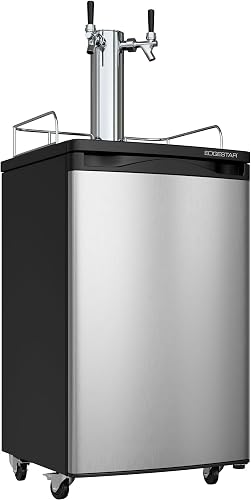


The basic idea: a fridge, a gas tank, and a tap
A kegerator combines three jobs into one appliance. First, it refrigerates, holding the keg at serving temperature like any other fridge. Second, it pressurizes, using carbon dioxide from a small tank to keep the beer carbonated and to provide the force that moves it. Third, it dispenses, sending the beer up a sealed line to a faucet you control with a tap handle. When all three are balanced, you get a clean, cold pour on demand. When they are not, you get foam, flat beer, or a slow trickle. Understanding how the pieces interact is the key to fixing almost every common problem.
The main components, part by part
Inside and on top of a kegerator you will find a handful of standard parts. The cabinet is the insulated, refrigerated box that holds the keg and keeps it cold. The CO2 tank stores compressed carbon dioxide and usually sits beside or behind the keg. The regulator threads onto the CO2 tank and lets you dial the gas down to a usable serving pressure, shown on its gauges. The gas line carries CO2 from the regulator to the keg. The coupler clicks onto the top of the keg and connects both the gas line going in and the beer line coming out. The beer line runs from the coupler up through the cabinet. The tower or faucet sits on top, with a tap handle you pull to pour. A drip tray catches the inevitable spills. Each of these is replaceable and serviceable, which is part of what makes a kegerator a long-term piece of equipment rather than a throwaway gadget.
How a pour actually happens, step by step
Here is the chain of events the moment you pull the handle. The CO2 tank holds gas under high pressure. The regulator steps that down to a gentle serving pressure, commonly somewhere in the range printed in your unit's manual. That low-pressure gas flows through the gas line into the top of the keg, pressing down on the beer and keeping it carbonated. Because the keg is now under constant pressure, the beer has nowhere to go but up the beer line when you open the faucet. Pulling the tap handle opens the faucet valve; gas pressure pushes the chilled beer up the line and out into your glass. Release the handle and the valve closes, the keg re-pressurizes, and the system sits ready for the next pour. Nothing pumps the beer; the gas does all the work.
Why temperature and pressure have to match
The most important thing to understand about a kegerator is that temperature and CO2 pressure are linked. Beer holds a specific amount of carbonation at a given temperature and pressure, and your goal is to keep that balance steady. If the cabinet runs too warm, dissolved CO2 escapes out of the beer and you get foamy, over-carbonated pours and a flat glass once the foam settles. If the pressure is set too high for the temperature, the same foaming happens. If the pressure is too low, the beer goes flat and pours slowly. Most draft beer is served cold, typically in the upper 30s Fahrenheit, but always check the recommended serving temperature for your beer and the pressure guidance in your kegerator's manual. The two settings work as a pair, so adjust them together rather than chasing one in isolation.
What can go wrong and the usual cause
Almost every kegerator complaint traces back to the temperature and pressure balance, the lines, or the seals. Foamy pours usually mean the beer is too warm, the pressure is too high, or the beer line is too short or warm near the faucet. Flat beer points to low CO2 pressure or an empty gas tank. A slow pour or no pour at all can mean the CO2 has run out, a line is kinked, or the coupler is not seated fully on the keg. Off flavors or a sour smell almost always mean the lines and faucet need cleaning. Because the system is sealed, leaks are quiet thieves: a hissing sound or a CO2 tank that empties unusually fast often means a loose fitting or a worn washer. A few drops of soapy water on the connections will reveal bubbles at any leak point.
Cleaning and upkeep so it keeps working
A kegerator rewards routine maintenance. The beer lines should be cleaned regularly, especially between kegs, because old beer residue breeds the off flavors and gunk that ruin a fresh keg. Wipe down the faucet and drip tray, and keep the cabinet interior clean like any refrigerator. Check the CO2 level so you are not caught mid-party with an empty tank, and inspect the washers and fittings on the regulator and coupler for wear. Defrost and clean per your manual's schedule. None of this is difficult, but skipping it is the fastest way to turn good beer bad. Treated well, a quality kegerator runs reliably for years, which is why it pays to start with a well-built unit rather than the cheapest box on the shelf.
Buying with the system in mind
Now that you know how the parts work together, you can shop smarter. Look at capacity first: confirm the cabinet fits the keg size you plan to use, whether that is a half barrel, a slim quarter, or a Cornelius keg for homebrew. Decide between single-tap and dual-tap if you want two beers on at once, since a dual-tap setup needs the right coupler and gas arrangement. Consider whether you want a freestanding unit or a built-in model designed for cabinet installation. Pay attention to the included regulator and coupler quality, since those are the parts you interact with most. Our hand-picked refrigeration reviews compare real, in-stock kegerators on exactly these points, so you can match a unit to your space, keg, and pour goals without guesswork.
Frequently asked questions
Do you need a CO2 tank to use a kegerator?
Yes. The CO2 tank and its regulator provide the pressure that both keeps the beer carbonated and pushes it up the line to the faucet. Without gas pressure, a tapped keg will go flat and will not pour properly.
Why is my kegerator pouring nothing but foam?
Foam almost always means the beer is too warm, the CO2 pressure is set too high for the temperature, or the beer line is short or warm near the faucet. Lower the temperature to the recommended serving range, give it time to stabilize, and adjust pressure per your manual.
What temperature should a kegerator be set to?
Most draft beer pours best when served cold, typically in the upper 30s Fahrenheit, but always follow the serving temperature for your specific beer and the pressure guidance in your kegerator's manual, since temperature and CO2 pressure work as a matched pair.
How often should I clean the beer lines?
Clean the lines regularly and especially between kegs. Beer residue left in the lines is the main cause of off flavors and a sour smell, so a quick line cleaning each time you swap kegs keeps every pour tasting fresh.