How Long Can Meat Sit Out Before It Goes Bad?
The USDA says raw meat is safe at room temperature for only 2 hours. After that, bacteria multiply fast. Here is what you need to know to avoid waste and illness.
The short answer: raw meat should not sit out for more than 2 hours. If the room temperature is above 90°F, that window shrinks to just 1 hour. This applies to all types of meat including beef, chicken, pork, and fish. After that time, bacteria like Salmonella and E. coli can double every 20 minutes, making the meat unsafe to eat even if it looks and smells fine.
Knowing how long can meat sit out before it goes bad is critical for food safety and avoiding waste. Many people think cooking kills all bacteria, but some produce toxins that heat cannot destroy. Your refrigerator is your best defense. Keeping meat at 40°F or below stops bacterial growth. If you regularly buy in bulk or meal prep, having a reliable fridge with accurate temperature control helps you stick to the 2 hour rule without worry.

The 2 Hour Rule Explained
The USDA and FDA both agree: perishable foods including raw and cooked meat must be refrigerated within 2 hours of being taken out of the fridge. This is because the danger zone for bacterial growth is between 40°F and 140°F. At room temperature (around 70°F), meat enters that zone immediately. After 2 hours, bacteria levels can become high enough to cause foodborne illness. If the ambient temperature hits 90°F, cut that time to 1 hour. This rule applies whether the meat is raw, cooked, or even marinating. Always set a timer when you take meat out to thaw, prep, or serve.
Factors That Speed Up Spoilage
Several factors can make meat go bad faster than the standard 2 hour window. High humidity accelerates bacterial growth because moisture helps pathogens thrive. Direct sunlight warms the meat surface even if the air feels cool. The type of meat matters too: ground meat and poultry have more surface area exposed to bacteria and spoil quicker than whole cuts like steaks or roasts. Marinades containing sugar or fruit juices can also promote faster spoilage. If your kitchen runs warm, say above 75°F, you should be extra cautious. A refrigerator with consistent cooling, like models from Frigidaire or Galanz, helps keep your meat at a safe 40°F or below.
Signs Meat Has Gone Bad
Even if you lose track of time, your senses can help you decide if meat is still safe. A sour or ammonia like smell is the most reliable sign of spoilage. Color changes are another clue: fresh beef is bright red, but when it turns brown or gray, it may be past its prime. However, color alone is not definitive because some meats darken due to oxygen exposure. Texture matters too. If the meat feels slimy or sticky to the touch, bacteria have likely formed a biofilm. Never taste test meat you suspect has gone bad. When in doubt, throw it out. The cost of replacement is lower than a hospital visit.
Why Refrigeration Is Your Best Defense
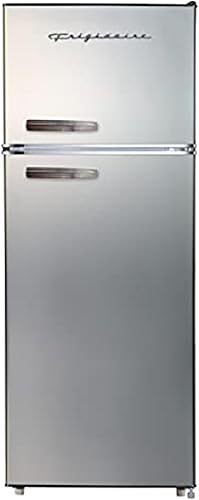
Keeping meat at a consistent 40°F or lower is the only way to extend its safe window beyond 2 hours at room temperature. A refrigerator does more than just chill: it slows bacterial metabolism to near stopping. But not all fridges perform equally. Models with automatic defrost and accurate temperature controls, like the Frigidaire EFR753-PLATINUM with its 4.1 star rating across 586 reviews, maintain stable temps better than older units. Compact refrigerators such as the Galanz GLR44BEER (3.9 stars, 4.4 cu ft) are great for small kitchens or extra meat storage. Always use a fridge thermometer to verify your unit stays at 40°F.
Thawing Meat Safely to Avoid the Danger Zone
Thawing meat on the counter is a major cause of food poisoning because the outer layer warms up while the center is still frozen. Safe methods include thawing in the refrigerator (plan ahead: 24 hours per 5 pounds), in cold water (change water every 30 minutes), or in the microwave (cook immediately after). Never thaw meat at room temperature for more than 2 hours total. If you thaw in the fridge, the meat stays below 40°F the whole time. A refrigerator with a dedicated meat drawer or adjustable shelves, such as the Samsung RF18A5101SR/AA (18 cu ft, 3.9 stars), makes it easy to organize thawing items.
Can You Refreeze Meat That Was Left Out?
If meat has been left out for more than 2 hours, do not refreeze it. Freezing does not kill bacteria; it only stops their growth. Once meat enters the danger zone, bacteria have already multiplied. Thawing and refreezing can cause further texture and quality loss. The only safe scenario is if the meat was left out for less than 2 hours and was still cold to the touch (below 40°F). In that case, you can refreeze it promptly. Otherwise, cook it immediately and eat it, or discard it. Your refrigerator is your ally, but it cannot reverse time. Know your limits.
Choosing a Refrigerator for Safe Meat Storage
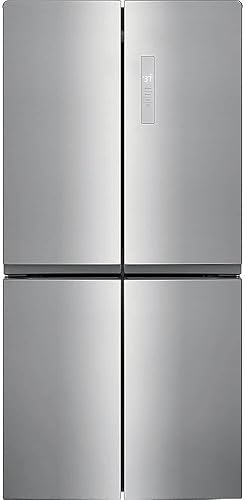
A refrigerator that holds a steady temperature is essential for keeping meat safe. Look for models with adjustable thermostat controls, automatic defrost to prevent frost buildup, and enough capacity for your needs. For smaller households, the Frigidaire EFR753-PLATINUM (7.5 cu ft, $329) offers a top freezer design with reliable cooling and a 4.1 star rating. If you need more space, the Frigidaire FRQG1721AV (5.5 cu ft, $1499) has a compact footprint but high capacity. Always check that your fridge maintains 40°F or below, and never overstuff it, as poor air circulation can create warm spots. A good fridge makes the 2 hour rule easy to follow.
Frequently asked questions
Can I eat meat left out for 3 hours if I cook it well done?
No. Cooking kills bacteria but not the heat stable toxins they produce. Meat left out over 2 hours should be discarded even if cooked thoroughly. The 2 hour rule is a safety limit, not a suggestion.
Does the 2 hour rule apply to cooked meat too?
Yes. Cooked meat is just as perishable as raw meat. Once it cools to room temperature, bacteria can grow. Refrigerate leftovers within 2 hours (1 hour if above 90°F). Reheat to 165°F before eating.
How can I tell if my refrigerator is cold enough for meat storage?
Use an appliance thermometer. Place it in the center of the middle shelf and check after 8 hours. The temperature should read 40°F or below. Many refrigerators have built in controls, but thermometers are more accurate.
What if my meat was left out but still feels cold to the touch?
If the meat has been out less than 2 hours and is still below 40°F, it is safe. Use a food thermometer to check. If it exceeds 40°F or 2 hours, discard it. Cold touch alone is not reliable because the surface may warm faster than the interior.