How Long Do Leftovers Last in the Freezer?
Learn how long you can safely store leftovers in the freezer, which foods keep best, and how to prevent freezer burn for long term satisfaction.
Leftovers in the freezer stay safe to eat indefinitely if kept at 0 degrees F, but quality fades over time. For best taste and texture, most cooked leftovers should be eaten within 2 to 3 months. After that, they are still safe but may suffer from freezer burn or flavor loss.
Knowing how long do leftovers last in the freezer is key to avoiding waste and disappointment. Factors like packaging, temperature stability, and the type of food all play a role. This article breaks down recommended storage times, highlights how a reliable refrigerator freezer can help, and offers practical tips for long term satisfaction.


General Freezer Storage Times for Leftovers
For optimal quality, most cooked leftovers should be used within 2 to 3 months. Soups and stews may last 4 to 6 months, while fatty fish or creamy sauces are best within 1 to 2 months. These guidelines come from USDA recommendations and reflect when flavor and texture decline, not safety. A freezer that maintains a consistent 0 degrees F prevents bacterial growth, so leftovers remain safe indefinitely. However, ice crystals and dry spots (freezer burn) can make food unappetizing. To extend quality, use airtight containers or vacuum seal bags. Label each package with the date and contents. This way, you can rotate older items first and avoid guessing how long they have been stored.
How Freezer Temperature Affects Shelf Life
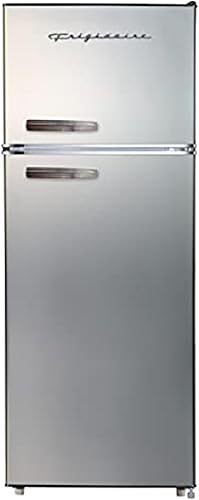
A freezer set to 0 degrees F stops bacterial growth but doesn't kill enzymes that cause flavor changes over time. If your freezer fluctuates above 0 degrees F, food quality degrades faster. That is why a reliable refrigerator with a strong freezing system matters. The Frigidaire EFR753-PLATINUM, for instance, has a top freezer compartment that many owners report keeps ice cream hard and leftovers fresh for months. Its manual defrost design means you control the frost buildup, but consistent temperatures help. The Samsung RF18A5101SR/AA offers frost free operation, which avoids manual defrost and maintains even cold. Check your freezer's actual temperature with an appliance thermometer to ensure it stays at 0 degrees F or below.
Best Practices for Packaging Leftovers
How you package leftovers directly impacts how long they last in the freezer. Airtight packaging prevents freezer burn, which is caused by moisture loss. Use rigid plastic containers with snap lids, heavy duty freezer bags with all air squeezed out, or vacuum seal for longest quality. For liquids, leave headspace because they expand when frozen. Avoid glass jars unless they are freezer safe, as thermal shock can crack them. The Galanz GLR44BEER, a compact refrigerator, is a good option for small households that freeze moderate amounts. Its automatic defrost keeps frost under control, but still use sealed containers. Label each item with the date and contents using a permanent marker or freezer tape. This simple habit prevents mystery packages months later.
Signs Your Leftovers Have Lost Quality
Even if leftovers are safe to eat, they may no longer taste good. Freezer burn appears as dry, grayish or brownish patches on the surface, often accompanied by a leathery texture. Ice crystals on the food or inside the package indicate temperature fluctuations. Off odors upon thawing, such as a rancid or stale smell, mean the fats have oxidized. If the texture is mushy, stringy, or separated, the food has degraded. Trust your senses: if it looks or smells odd, discard it. To minimize these issues, use the coldest part of your freezer (usually the back or bottom) and avoid frequent door openings. A larger unit like the Samsung RF18A5101SR/AA offers good organization so you can find and use items before they decline.
Foods That Freeze Well vs. Those That Don't
Some leftovers freeze beautifully, others become disappointing. Cooked meats, casseroles, soups, stews, and breads freeze well. Dairy based sauces, mayonnaise, eggs in shells, and raw vegetables with high water content (lettuce, cucumber) do not. If you frequently freeze leftovers, consider a refrigerator with a spacious freezer. The Frigidaire EFR753-PLATINUM has a 7.5 cu ft total capacity with a top freezer that accommodates containers and bags. For larger families, the Samsung RF18A5101SR/AA offers 18 cu ft and a French door layout with a bottom freezer, making it easy to organize frozen leftovers. Choose a model that matches your typical batch sizes and freezing habits.
Thawing and Reheating Frozen Leftovers Safely
Proper thawing preserves quality and safety. The best method is overnight in the refrigerator. This keeps the food at a safe temperature and allows even thawing. For quicker thawing, use the microwave's defrost setting or submerge the sealed bag in cold water, changing water every 30 minutes. Never thaw on the counter, as the outer layer can reach unsafe temperatures while the center remains frozen. Once thawed, reheat leftovers to an internal temperature of 165 degrees F. Soups and stews should be brought to a rolling boil. If you thawed in the fridge, you can refreeze without cooking, but quality will drop. To avoid waste, freeze in portion sizes you will use at once.
How Your Refrigerator Choice Impacts Freezer Longevity
The refrigerator you choose affects how consistently your freezer stays at 0 degrees F. Models with automatic defrost cycles can cause slight temperature swings, but modern units minimize this. The Frigidaire EFR753-PLATINUM uses manual defrost, which some users prefer because it avoids these cycles, though it requires periodic defrosting. The Samsung RF18A5101SR/AA has frost free defrost and digital temperature controls, which many owners find reliable for long term storage. For smaller spaces, the Galanz GLR44BEER offers compact frozen storage. When selecting a refrigerator, check reviews for freezer performance. Units with good insulation, separate temperature controls, and proper airflow will keep your leftovers tasting fresh longer.
Frequently asked questions
Can you eat frozen leftovers after 1 year?
Yes, they are safe to eat if kept at 0 degrees F, but quality will be poor. Expect significant freezer burn, off flavors, and texture changes. Most leftovers are best within 2-3 months.
How do I know if frozen leftovers have gone bad?
Look for signs of freezer burn (dry, discolored patches), ice crystals, or off smells after thawing. If the texture is mushy or it smells rancid, discard it.
What is the best packaging for freezing leftovers?
Airtight, moisture proof containers or heavy duty freezer bags with air removed. Vacuum sealing is best for longer storage. Avoid thin plastic wrap or containers not designed for freezing.
How long do leftovers last in the freezer if vacuum sealed?
Vacuum sealing can extend quality by preventing freezer burn. Most leftovers stay good for 3-4 months at best quality, and some foods like meats may last 6-12 months with minimal flavor loss.