How Long Do Leftovers Last in the Fridge?
Stop guessing and start storing. This guide covers leftover shelf life by food type, temperature tips, and how to pick a fridge that keeps your food safe and fresh.
Leftovers typically last 3 to 4 days in the refrigerator if stored properly in airtight containers and kept at or below 40°F. After that, the risk of spoilage and foodborne illness rises quickly, so it’s best to eat or freeze them by day four. The exact timeline varies by food: cooked meat, casseroles, and dairy-based dishes tend to last 3 to 4 days, while soups and stews can sometimes stretch to 5 days. Hardier items like roast vegetables or bread-based dishes may last a bit longer, but soft cheeses and seafood are better eaten within 2 days.
Knowing how long do leftovers last in the fridge is only half the battle. Your refrigerator’s performance plays a huge role in preserving freshness. Consistent temperature, proper airflow, and enough space to avoid overcrowding all help extend the life of your leftovers. That’s why choosing the right refrigerator matters. Whether you’re looking for a compact model for your home bar or a full-size unit for a busy family kitchen, the best refrigerators maintain stable temperatures that keep your food safe and your leftovers edible longer.


Leftover Shelf Life by Food Type
Different foods have different staying power. Cooked meat and poultry: 3 to 4 days. Soups and stews: 3 to 4 days, sometimes 5 if acidic. Casseroles: 3 to 4 days. Cooked vegetables: 3 to 7 days, but softer veg like zucchini degrade faster. Rice and grains: 3 to 4 days. Pizza: 3 to 4 days. Fish and shellfish: 1 to 2 days. Deli meats: 3 to 5 days once opened. Hard cheeses: 3 to 4 weeks; soft cheeses: 1 week. Always label containers with the date and use the “first in, first out” rule.
How to Properly Store Leftovers
Cool leftovers quickly (within 2 hours) before refrigerating. Divide large batches into shallow containers for fast cooling. Use airtight containers or wrap tightly in plastic wrap or foil. Glass or BPA-free plastic containers work well. Avoid storing in metal or open bowls. Keep raw meat separate from cooked foods. Set your fridge to 40°F or below and use a thermometer to check. A full fridge holds temperature better than a nearly empty one, but don’t overcrowd, air needs to circulate.
Signs Your Leftovers Have Gone Bad
Trust your senses. Spoiled leftovers may develop a sour, ammonia-like, or off smell. Look for mold, slime, or discoloration. Texture changes like mushiness or hardness are also signs. Never taste-test if you suspect spoilage. If in doubt, throw it out. The 3-4 day rule is a guideline, not a guarantee. Even if it looks fine, bacteria can grow without obvious signs. Freeze leftovers if you won’t eat them within 4 days; they’ll stay safe indefinitely but quality declines after 3-4 months.
Choosing a Refrigerator That Keeps Leftovers Fresh
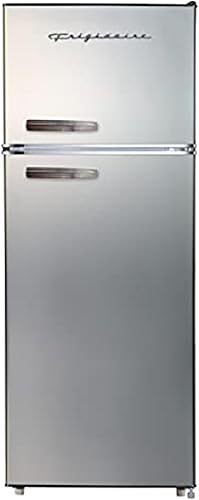
A good refrigerator maintains consistent temperature and humidity. Look for models with automatic defrost to prevent frost buildup, which can cause temperature swings. Adjustable shelves let you store tall containers easily. For smaller households, a compact refrigerator like the Frigidaire EFR753-PLATINUM (7.5 cu ft, freezer on top) offers reliable storage with reversible doors. The Galanz GLR44BEER (4.4 cu ft) is a budget-friendly option for a beverage fridge. If you need more space, the Samsung RF18A5101SR/AA (18 cu ft, French door) provides counter-depth fit and frost-free operation.
Top Rated Refrigerators for Food Storage
Based on buyer satisfaction and features that keep leftovers fresh, here are two strong picks. The Frigidaire EFR753-PLATINUM has a 4.1-star rating from 586 reviews and costs $329. It offers 7.5 cu ft of space with a top freezer and manual defrost. Owners appreciate its quiet operation and solid build. For a larger capacity, the Samsung RF18A5101SR/AA earns 3.9 stars from 23 reviews at $1299. Its French door design, frost-free cooling, and counter-depth installation make it a popular choice for modern kitchens. Both maintain consistent temperatures, which is critical for leftover longevity.
Tips to Maximize Leftover Freshness
Keep your fridge clean and organized. Wipe spills immediately to prevent cross-contamination. Store leftovers on the middle or upper shelves, not the door, where temperatures fluctuate more. Use a refrigerator thermometer to ensure it’s at 38-40°F. Don’t overload the fridge; cold air needs space to circulate. Label containers with contents and date. Reheat leftovers to 165°F before eating. If you plan to freeze, do so within the first 3 days for best quality. A well-maintained fridge with proper storage habits can add an extra day or two of safe shelf life.
When to Freeze Instead of Refrigerate
If you know you won’t eat leftovers within 4 days, freeze them. Freezing stops bacterial growth almost completely. Most cooked foods freeze well for 2-3 months. Wrap tightly in freezer-safe bags or containers, removing as much air as possible. Label with the date and contents. Thaw in the refrigerator overnight, not on the counter. Some foods don’t freeze well: cooked potatoes become grainy, dairy sauces may separate, and fried foods lose crispness. For those, it’s better to refrigerate and eat promptly.
Frequently asked questions
Can I eat leftovers after 5 days?
It's not recommended. Most leftovers are safe only up to 4 days. After that, the risk of foodborne illness increases even if food looks and smells fine. When in doubt, throw it out.
How long do leftovers last in the fridge without a sealed container?
Uncovered leftovers dry out and may absorb odors. They should still be safe for 3 to 4 days if the fridge is at 40°F or below, but quality suffers. Always use airtight containers.
Do leftovers last longer in a colder fridge?
No. The ideal refrigerator temperature is 34 to 40°F. Below 34°F, food can freeze; above 40°F, bacteria grow faster. Consistency matters more than cold extremes.
How long do leftovers last in the fridge if I reheat them?
Reheating doesn't reset the clock. Each time you reheat, the 3-4 day count continues from when the food was originally cooked. Only reheat what you plan to eat immediately.