How Long Do Refrigerators Last? A Practical Lifespan Guide
Most refrigerators last 10 to 15 years, but where your fridge lands in that range depends on type, placement, and how hard the compressor has to work.
If you are wondering how long refrigerators last, the short answer is 10 to 15 years for a typical household unit. Compact and built-in models can drift outside that band, but most standard top-freezer, side-by-side, and French-door fridges fall squarely inside it. The compressor is the part that usually decides the end date, and a fridge that is well placed, kept clean, and not overstuffed tends to reach the upper end of the range.
This guide explains what a realistic lifespan looks like by type, the conditions that quietly shorten it, the warning signs that the end is near, and how to decide between one more repair and a replacement. We have kept the math practical so you can make the call without guessing.
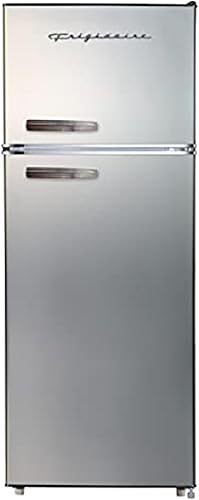


The honest answer: 10 to 15 years
Across the most common configurations, a refrigerator gives you somewhere between a decade and fifteen years of service. Simpler designs usually outlast feature-heavy ones, because there are fewer parts to fail. A basic top-freezer with a single compressor and a mechanical dial often runs longer than a French-door model packed with dual ice makers, through-the-door dispensers, and electronic controls. None of that means the feature-rich fridge is bad value; it just has more components that can eventually need attention. Treat 12 years as a reasonable planning midpoint, and budget mentally so a failure at year 13 is an expectation rather than a shock.
Lifespan by refrigerator type
Top-freezer and bottom-freezer models tend to be the longest-lived, frequently reaching 14 or 15 years because their cooling systems are straightforward. Side-by-side units land in the middle, with dispensers and dual compartments adding wear points. French-door refrigerators are similar but can run shorter when they carry two ice makers and heavy electronics. Compact and under-counter fridges are a mixed bag: lightly used ones in a guest room can last a long time, while a small unit running hard in a hot garage may tire out sooner. Built-in and counter-depth column units are often built to last, but repairs cost more, which changes the replace-or-repair math later on.
What quietly shortens a fridge's life
Heat and airflow are the biggest factors. A refrigerator squeezed into a tight cabinet, pushed against a wall, or sitting next to an oven or in an unconditioned garage has to run its compressor harder and longer, and that constant load is what wears the system out early. Dust-clogged condenser coils have the same effect, forcing the unit to work overtime to shed heat. Frequent door openings, packing the box so full that air cannot circulate, and a worn or torn door gasket all push the compressor to run more than it should. Power surges during outages can also damage electronic control boards. Most of these are avoidable, which is why two identical fridges can age very differently.
Warning signs your refrigerator is near the end
Watch for a cluster of symptoms rather than a single hiccup. Food spoiling faster than it should, a fridge that struggles to hold temperature, or a freezer building up frost on a frost-free model all point to a cooling system in decline. A compressor that runs almost constantly, an unusually warm exterior, or a noticeable jump in your electricity bill suggests the unit is straining. New rattles, buzzing, or knocking, along with condensation or sweating inside the cabinet, are also red flags. One symptom may be a cheap fix; several at once, especially on an older unit, usually means the fridge is winding down.
Repair or replace? A simple rule
A useful guideline is the fifty-percent test: if a repair costs more than half the price of a comparable new refrigerator, and the unit is already past about eight years old, replacement is usually the smarter spend. Sealed-system and compressor repairs are the expensive ones, and on an older fridge they rarely pay off because something else is likely to fail soon after. By contrast, a worn gasket, a failed fan, a faulty thermostat, or a bad defrost timer are affordable fixes that can buy real time on a unit that is otherwise healthy. Factor in energy use too: a fridge from a decade ago can cost noticeably more to run than a current model, so an aging, inefficient unit tips the scale toward replacing even when a repair is technically possible.
How to get the most years out of your fridge
Give the unit room to breathe, with a gap behind and above it and clearance from heat sources. Vacuum the condenser coils once or twice a year so the compressor is not fighting dust. Keep the door seals clean and check them with a slip of paper; if the paper slides out easily when the door is shut, the gasket needs replacing. Set the fridge to the recommended range and avoid running it colder than necessary, which only adds load. Keep it reasonably full but not packed, leave space for airflow, and clean up spills promptly. On any new unit, a surge protector guards the control board during the power swings that come with outages. These habits routinely move a fridge from the bottom of the lifespan range to the top.
Choosing a replacement that lasts
When it is time to replace, lean toward a configuration and size that match how you actually live, because a right-sized fridge runs efficiently and ages well. Simpler builds tend to last longer, so weigh whether you really need dual ice makers and a through-the-door dispenser against the extra parts they add. Look for a model with a solid warranty on the sealed system, a sensible capacity for your household, and an efficiency rating that keeps running costs in check over the next decade-plus. If you want a shortlist already filtered by capacity, configuration, price, and real buyer demand, our refrigerators picks compare current models side by side so you can match the right unit to your kitchen without wading through specs one listing at a time.
Frequently asked questions
How long does a refrigerator last on average?
A typical household refrigerator lasts 10 to 15 years. Simpler top-freezer and bottom-freezer models often reach 14 to 15 years, while feature-heavy side-by-side and French-door units with dispensers and dual ice makers tend toward the lower end.
Is it worth repairing a 10-year-old refrigerator?
It depends on the repair. Affordable fixes like a gasket, fan, thermostat, or defrost timer are usually worth it. But if the repair is a compressor or sealed-system job costing more than half the price of a new comparable fridge, replacement is generally the better value.
What is the most common reason refrigerators fail?
Compressor and cooling-system wear is the most common end-of-life cause, and it is usually accelerated by heat, restricted airflow, and dust-clogged condenser coils that force the system to run harder than it should.
How can I tell my refrigerator is about to die?
Look for several signs together: food spoiling quickly, trouble holding temperature, frost building up on a frost-free unit, a compressor running almost nonstop, a warm exterior, rising energy bills, or new buzzing and rattling noises.