How Long Does Breast Milk Last in the Fridge? A Complete Guide
Safe breast milk storage times depend on fridge temperature. Learn the guidelines, what affects freshness, and which refrigerator features help maintain consistent cold.
The short answer: fresh breast milk lasts up to 4 days in a refrigerator set at 40°F or below. For best quality, use or freeze it within 3 days. This timeline is backed by the CDC and La Leche League for healthy, full-term babies.
Knowing how long does breast milk last in the fridge helps you plan pumping and feeding schedules safely. Temperature consistency is key. A fridge that fluctuates can shorten that window. In this guide, we’ll cover proper storage, signs of spoilage, and what to look for in a refrigerator for milk storage. We also recommend a few fridge models that reviewers praise for steady cooling.

Standard Storage Guidelines for Breast Milk
The CDC recommends storing fresh breast milk in the back of the fridge (not the door) for up to 4 days at 40°F or lower. The ideal temperature is between 32°F and 39°F. After 4 days, the risk of bacterial growth increases. If you won't use it within that window, freeze it. Thawed breast milk should be used within 24 hours and never refrozen. Many parents find that labeling bags with the date and time helps track freshness. If your fridge runs warm (above 40°F), the safe period may be shorter. An appliance thermometer can confirm your fridge's actual temperature.
How Fridge Temperature Affects Milk Longevity
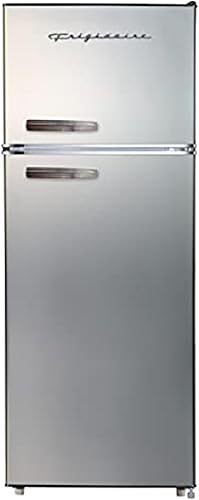
A refrigerator that maintains a stable, cool temperature extends the safe storage window. Fluctuations from opening the door or an overstuffed fridge can warm the interior and shorten milk's shelf life. Refrigerators with automatic defrost cycles (like many modern compressor models) help avoid temperature swings. Compact fridges often have less insulation, so they may struggle in hot garages. For milk storage, look for a fridge with precise thermostat control. Users of the Frigidaire EFR753-PLATINUM (4.1 stars, 586 reviews) note consistent cooling, which is great for keeping breast milk at safe temps.
Signs Your Breast Milk Has Spoiled
Even within 4 days, it's important to check for spoilage. Smell is the biggest clue: sour or soapy odors mean it's gone bad. Visually, fresh milk separates into cream and skim layers; that's normal. But if you see chunky bits or a slimy texture, discard it. Taste (if you're curious) will be sour. Some babies refuse milk that has high lipase (a soapy taste), even if it's safe. Scalding fresh milk before storage can deactivate lipase. Always err on the side of caution: when in doubt, throw it out.
Best Refrigerator Features for Breast Milk Storage
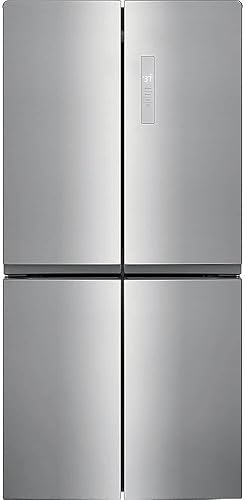
For parents storing breast milk, a reliable fridge matters more than bells and whistles. Key features: consistent temperature, adjustable shelves (to fit milk bags upright), and a separate drawer to avoid door temp swings. French door models like the Samsung RF18A5101SR/AA (3.9 stars, 23 reviews) offer good organization with door bins for bottles and wide shelves for storage containers. Counter-depth models save space but may have smaller capacity. If you need a dedicated compact fridge for a nursery, look for one with precise temp controls and a quiet compressor. The Galanz GLR44BEER (4.4 cu ft, 3.9 stars) is a compact option, though its blue color may not suit all decors.
Storing Breast Milk in a Mini Fridge: What to Know
A mini fridge can work for short-term storage, but not all maintain safe temperatures. Many dorm-style fridges use thermoelectric cooling that can't hold 40°F in warm rooms. For breast milk, a compressor-based compact fridge is better. The Summit Appliance AL55 (4.2 cu ft, undercounter, 2.0 stars from 3 reviews) has mixed feedback; low ratings suggest reliability concerns. The Frigidaire EFR753-PLATINUM (7.5 cu ft, 4.1 stars) is a step up and widely purchased (4+ units last month). Check your mini fridge's actual temp with a thermometer before storing milk for more than a day.
Tips for Maximizing Freshness in Any Fridge
Place milk containers in the back of the main compartment, where temperature is most stable. Avoid the door shelves. Keep milk in sealed glass or BPA-free plastic containers (bags are fine, but prone to leaks). Don't overstuff your fridge; air circulation helps maintain even cooling. Label each container with the date and time. If you're using a fridge that's also for general groceries, store milk away from raw meat to avoid cross-contamination. Consider a dedicated fridge for expressed milk if you pump heavily. The Frigidaire FRQG1721AV (5.5 cu ft, 4.3 stars, 268 reviews) has strong ratings and reasonable capacity for a secondary fridge.
When to Freeze Instead of Refrigerate
If you won't use expressed milk within 3-4 days, freeze it for longer storage. Breast milk can last 6-12 months in a standard freezer (up to 2 months in a freezer compartment inside a fridge). Freeze in small portions (2-4 ounces) to avoid waste. Leave headspace in bags or containers as milk expands. Thaw in the fridge overnight, not on the counter. Never microwave breast milk; it destroys nutrients and creates hot spots. For parents who pump and freeze, a separate upright freezer or chest freezer (like those in our best chest freezer guide) can be a worthwhile investment.
Frequently asked questions
How long does breast milk last in the fridge?
Fresh breast milk lasts up to 4 days in a refrigerator set at 40°F or below. For best quality, use it within 3 days. Always store it in the back of the fridge, not the door, to maintain a stable temperature.
Can I store breast milk in a mini fridge?
Yes, but only if the mini fridge maintains a consistent 40°F or lower. Compressor-based mini fridges work better than thermoelectric ones. Always use a thermometer to check the actual temperature before storing milk for more than a few hours.
What does spoiled breast milk smell like?
Spoiled breast milk has a sour or rancid odor, similar to cow's milk gone bad. It may also taste soapy or bitter. If it looks chunky or slimy, discard it immediately.
Is it safe to refrigerate breast milk after it has been at room temperature?
No. Once breast milk has been at room temperature (for feeding) for more than 1 hour, it should be used or discarded. Refrigerating it after that can allow bacteria to grow. Always refrigerate expressed milk promptly.