How Long Does Cheese Last in the Fridge?
Learn the real shelf life of cheese in your refrigerator. From hard cheddar to soft brie, get storage timelines, signs of spoilage, and tips to keep cheese fresh longer.
Most cheese lasts 2 to 4 weeks in the fridge if stored properly, but the exact time depends on the type. Hard cheeses like cheddar or Parmesan can stay fresh for 3 to 4 weeks after opening, while soft cheeses like brie or feta last 1 to 2 weeks. Fresh cheeses such as mozzarella or ricotta should be used within 5 to 7 days.
Knowing how long cheese lasts in the fridge helps you plan meals, reduce waste, and avoid spoiled dairy. The key is proper wrapping and consistent refrigerator temperature. A fridge that runs at 37 to 40 degrees Fahrenheit, with minimal temperature swings, gives cheese the best chance to stay at its peak. This article covers timelines for every cheese type, storage techniques, and how to tell when cheese has gone bad.


Hard Cheese Lasts 3 to 4 Weeks
Hard cheeses like cheddar, Parmesan, gouda, and Swiss have low moisture, which slows bacterial growth. After opening, they stay good for 3 to 4 weeks in the fridge. If you buy a block, storing it in wax paper or cheese paper rather than plastic wrap can extend freshness. Some hard cheeses develop natural mold on the surface, which you can cut away and still safely eat the rest. For long term storage, hard cheese can be frozen for up to 6 months, though texture may crumble after thawing.
Soft Cheese Lasts 1 to 2 Weeks
Soft cheeses like brie, camembert, and fresh mozzarella have higher moisture content and spoil faster. Expect 1 to 2 weeks after opening. For brie and camembert, keep them in their original packaging or wrap loosely in wax paper. If white mold appears beyond what's intended, or if the cheese smells like ammonia, it's past its prime. Fresh mozzarella packed in brine lasts slightly longer than dry packed, but still aim to use within 2 weeks.
Fresh Cheese Lasts 5 to 7 Days
Fresh cheeses such as ricotta, cottage cheese, cream cheese, and feta have the shortest fridge life. After opening, consume within 5 to 7 days. These cheeses are highly perishable because they are not aged or fermented extensively. Always keep them tightly sealed and stored at the back of the fridge where temperatures are most stable. If you see separation of liquid, off smells, or mold, toss them immediately. Feta stored in brine can last a bit longer, but still check weekly.
Grated and Shredded Cheese Lasts 1 to 2 Weeks
Pre shredded cheese from the store often contains anti caking agents that help it last 1 to 2 weeks beyond the sell by date. But once opened, its increased surface area speeds up drying and mold growth. For best quality, use within 5 to 7 days after opening. Freshly grated cheese has no preservatives and should be used within a week. If you see clumping or slimy texture, it's time to replace it.
How to Store Cheese for Maximum Freshness
Proper storage is the single biggest factor in how long cheese lasts in the fridge. Use cheese paper or wax paper for hard and semi hard cheeses; plastic wrap can trap moisture and encourage mold. For soft cheeses, keep them in their original packaging or an airtight container. Avoid storing cheese in the door of the fridge, where temperature fluctuates. Instead, place it in the main compartment or deli drawer. Keep cheese away from strong smelling foods like onions or fish, as it can absorb odors.
Signs Cheese Has Gone Bad
Even with perfect storage, cheese eventually spoils. For hard cheeses, surface mold can be cut off (1 inch around and below the spot), but if mold penetrates deep or the cheese smells sour, discard it. For soft and fresh cheeses, any mold, slimy texture, or off odor means it's unsafe to eat. A sour, yeasty, or ammonia like smell is a clear warning sign. Always trust your nose: if it smells wrong, don't taste it.
Fridge Features That Help Keep Cheese Fresh
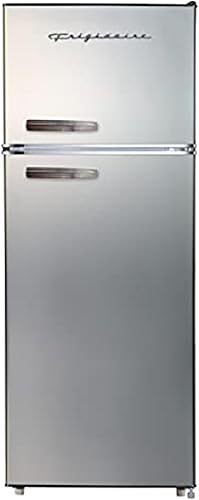
Your refrigerator's temperature stability and humidity control directly affect cheese longevity. A fridge with auto defrost and consistent cooling, like the Frigidaire EFR753-PLATINUM (7.5 cu ft, 4.1 stars from 586 reviews), helps maintain a steady environment. For smaller cheese collections, the compact Galanz GLR44BEER (4.4 cu ft, 3.9 stars) offers automatic defrost and adjustable temperature control. Larger households may prefer the Samsung RF18A5101SR/AA (18 cu ft, 3.9 stars) with frost free cooling. The right fridge makes proper cheese storage much easier.
Frequently asked questions
Can you freeze cheese to make it last longer?
Yes, you can freeze hard and semi hard cheeses like cheddar, gouda, or Parmesan for up to 6 months. Soft and fresh cheeses do not freeze well because their high moisture content causes a grainy or watery texture after thawing.
How long does cheese last in the fridge after the sell by date?
Hard cheese can last 3 to 4 weeks past the sell by date if stored properly. Soft cheese lasts 1 to 2 weeks past, and fresh cheese only 5 to 7 days past. Always check for mold, smell, and texture before eating.
Should I keep cheese in the original plastic wrap?
Not for long. Plastic wrap traps moisture and can cause mold. For hard cheese, re wrap in wax paper or cheese paper. For soft cheese, the original wrap is okay for a few days, then switch to a breathable wrap.
What is the best temperature for storing cheese?
Keep your fridge at 37 to 40 degrees Fahrenheit. Cheese stored at consistent temperatures lasts longer. Avoid the door, where temperature fluctuates; use the main shelves or deli drawer instead.