How Long Does Cooked Food Last in the Freezer?
Cooked food stays safe indefinitely at 0°F, but quality fades after 2-6 months. Learn exact timelines, storage tips, and which refrigerators help you freeze smarter.
Cooked food lasts indefinitely in the freezer as long as the temperature stays at 0°F or below, but for best quality, consume within 2 to 6 months. That's the short answer to how long does cooked food last in the freezer. The longer food sits, the more texture and flavor degrade due to ice crystal formation and freezer burn.
This guide covers exact freezer times for common cooked foods, how to package them for long-term satisfaction, and what to look for in a refrigerator or freezer that maintains consistent cold. Whether you batch cook or save leftovers, knowing these rules helps you waste less and enjoy better meals months later.

General Freezer Timelines for Cooked Foods
Most cooked foods maintain peak quality for 2 to 6 months in a freezer set at 0°F. Cooked meats like beef, pork, and poultry last 2 to 3 months. Soups, stews, and chili hold up for 4 to 6 months. Casseroles and cooked pasta dishes are best within 3 months. Cooked fish and seafood should be used within 3 months for best texture. Vegetables that were cooked before freezing can last 8 to 12 months but may soften. The key is rapid freezing and airtight packaging to minimize moisture loss.
How Freezer Temperature Affects Shelf Life
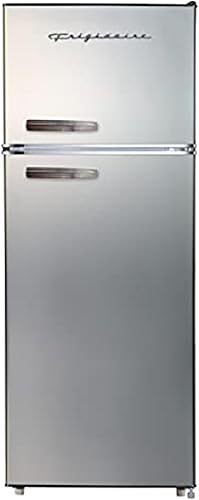
Freezer temperature is the single biggest factor in how long cooked food stays good. At 0°F, food safety is maintained indefinitely because bacterial growth stops. But if your freezer fluctuates above 0°F, quality drops faster. Many home freezers cycle between 0°F and 10°F, which accelerates freezer burn. That is why a fridge with a reliable compressor and good insulation, like the Frigidaire EFR753-PLATINUM with its 4.1-star average across 586 reviews, can help maintain consistent cold. A separate chest freezer also excels at steady temperatures.
Best Practices for Packaging Cooked Food for Freezing
Airtight packaging prevents freezer burn and preserves flavor. Use freezer-grade zip-top bags, rigid plastic containers, or vacuum sealing. Remove as much air as possible before sealing. For liquids like soups, leave an inch of headspace because they expand when frozen. Label each package with the contents and date. Portion food into meal-sized amounts so you only thaw what you need. Double wrapping, like plastic wrap inside a freezer bag, adds extra protection. Avoid glass containers unless they are specifically rated for freezer use, as thermal shock can cause breakage.
How to Tell If Frozen Cooked Food Has Gone Bad
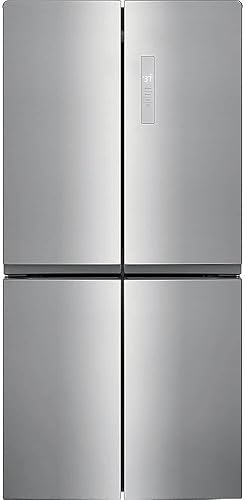
Frozen food that has been stored too long may develop freezer burn, appearing as dry, grayish or whitish patches on the surface. While still safe to eat, the texture and taste suffer. If you notice ice crystals inside the package, that means moisture has escaped and quality is reduced. Spoilage odors after thawing, like sour or rancid smells, indicate the food should be discarded. Thawed food that feels slimy or sticky also signals spoilage. When in doubt, throw it out. Consistent freezer temperature from a reliable unit like the Samsung RF18A5101SR/AA helps minimize these issues.
Thawing Cooked Food Safely
The safest way to thaw cooked food is in the refrigerator, allowing 24 hours for every 5 pounds. Cold water thawing works faster: submerge the sealed package in cold water, changing water every 30 minutes. Microwave thawing is quickest but can partially cook edges, so cook immediately after. Never thaw at room temperature on the counter, as bacteria can multiply in the outer layers while the center stays frozen. Once thawed, use within 3 to 4 days. Refreezing is safe if the food was thawed in the fridge and still cold, but quality will decline further.
Why Freezer Organization Matters for Long-Term Storage
An organized freezer helps you rotate older food to the front, preventing forgotten packages that sit for years. Use bins or baskets to group categories like meats, vegetables, and prepared meals. Keep a running inventory list on the door. Avoid overstuffing, which blocks airflow and causes uneven cooling. A refrigerator like the Frigidaire FRQG1721AV (5.5 cu ft) offers dedicated freezer space with organized shelves. For larger households, the Haier QHE16HYPFS side-by-side provides accessible freezer storage. Proper organization ensures you actually eat what you freeze within the quality window.
Choosing a Refrigerator That Supports Freezer Meal Prep
If you regularly freeze cooked meals, look for a fridge with a large, well-organized freezer compartment. Models with frost-free defrost, like the Samsung RF18A5101SR/AA (18 cu ft, French door), maintain even temperatures and prevent ice buildup. The Frigidaire EFR753-PLATINUM (7.5 cu ft, top freezer) offers generous freezer space at an affordable price. For smaller kitchens, the Galanz GLR44BEER (4.4 cu ft) fits under counter with automatic defrost. Check real owner feedback: the Frigidaire EFR753 averages 4.1 stars from 586 reviews, indicating long-term satisfaction. A stable freezer environment directly extends the quality life of your cooked food.
Frequently asked questions
Can you freeze cooked food that has been in the refrigerator for a few days?
Yes, but only if the food was refrigerated within 2 hours of cooking and has not been in the fridge longer than 3 to 4 days. Freezing stops bacterial growth but does not reverse spoilage, so start with fresh leftovers.
Does freezing kill bacteria in cooked food?
No, freezing only stops bacteria from multiplying; it does not kill them. Once thawed, bacteria can become active again. That is why cooked food must be handled safely before freezing and thawed properly.
How long can you freeze cooked chicken?
Cooked chicken, including shredded, baked, or fried, maintains best quality for 2 to 6 months in the freezer. For longer storage, vacuum seal it to reduce freezer burn and keep moisture in.
What is the best way to freeze cooked soup?
Cool the soup completely, then transfer to freezer-safe containers or bags, leaving an inch of headspace. Label with date and type. For easy portions, freeze in ice cube trays then transfer to a bag. Use within 4 to 6 months.