How Long Does Opened Wine Last in the Fridge?
Opened wine stays fresh in the fridge for 3 to 7 days depending on the type. Learn exact timelines, storage tricks, and which refrigerators help preserve flavor.
Opened wine lasts in the fridge for 3 to 7 days for most varieties. Red wines typically hold up 3 to 5 days, while white and rosé stay fresh 5 to 7 days. Sparkling wines lose fizz after 1 to 3 days. The key is consistent cold temperature and minimal oxygen exposure.
Understanding how long does opened wine last in the fridge helps you avoid pouring money down the drain. A dedicated wine cooler or a refrigerator with precise temperature control can extend that window. This guide covers wine-specific timelines, sealing techniques, and which fridge features matter most for long term satisfaction.


Opened Wine Lifespan in the Fridge
Red wines: 3 to 5 days. Lighter reds like Pinot Noir fade faster, while bold Cabernets hold a day or two longer. White and rosé wines: 5 to 7 days. Their higher acidity and lower tannins help them resist oxidation. Sparkling wines: 1 to 3 days. A specialized stopper can buy an extra day. Fortified wines like Port or Sherry: up to 4 weeks because of added alcohol. These timelines assume the bottle is recorked and placed in the fridge promptly. A refrigerator that maintains a stable 38 to 45°F without temperature swings gives you the best chance of hitting the upper end of each range.
Why Temperature and Consistency Matter
A fridge that cycles warm and cold accelerates chemical reactions that spoil wine. The ideal storage temperature for opened wine is between 38 and 45°F. Most standard refrigerators sit around 37°F, which is fine, but frequent door openings cause fluctuations. A refrigerator with a dedicated beverage section or wine rack can minimize disturbance. Compressor based cooling is reliable for this purpose. If your fridge has an automatic defrost cycle, that brief warming is negligible. For long term satisfaction, look for models with separate temperature zones or a wine cooler setting.
Best Practices for Sealing Opened Wine
Recork the bottle tightly, or use a wine stopper that creates an airtight seal. A vacuum pump system removes air and can extend freshness by 1 to 2 days. For sparkling wine, a champagne stopper with a clamp is essential to preserve carbonation. Store the bottle upright to minimize the surface area exposed to oxygen. Avoid storing near the fridge door where temperature varies most. If you plan to finish the bottle within a week, a simple cork works fine. For longer storage, consider a wine preservation system. These habits, combined with a consistent fridge, maximize your wine's drinkable window.
Fridge Features That Help Wine Last Longer
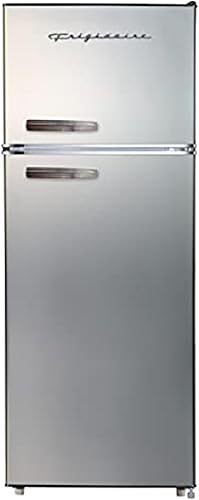
A dedicated wine cooler or beverage fridge is ideal, but a regular refrigerator can work if it has certain features. Look for adjustable temperature control so you can dial in 40°F to 45°F. A door bin designed for wine bottles keeps them secure and prevents tipping. Some refrigerators include a humidity controlled crisper drawer, which is more relevant for produce but doesn't hurt. For small kitchens, a compact refrigerator with a glass door lets you monitor your wine without opening the door. The Galanz GLR44BEER is a 4.4 cu ft beverage fridge under $300 that offers dedicated storage. For larger households, a 7.5 cu ft Frigidaire EFR753-PLATINUM with a freezer on top provides versatile space at a reasonable price.
When to Toss Opened Wine
Trust your senses. If the wine smells like vinegar, wet cardboard, or has a sharp, sour taste, it has oxidized past enjoyment. Brownish color in white wine is another sign. For reds, brick red hues are normal with age, but a muddy brown with no fruit aroma means it's gone. Even if it's safe to drink, it won't taste good. Most people find wine undrinkable after 5 to 7 days in the fridge. If you regularly waste wine, a smaller refrigerator with a wine rack or a dedicated beverage fridge can help you buy and store only what you'll drink in time.
Choosing the Right Fridge for Wine Storage
If you frequently ask "how long does opened wine last in the fridge," you may benefit from a model designed for beverage storage. The Frigidaire EFR753-PLATINUM (4.1 stars, 586 reviews) offers a 7.5 cu ft capacity with a reversible door and adjustable thermostat, making it a solid all around choice. For a compact option, the Galanz GLR44BEER (3.9 stars) is a blue 4.4 cu ft beverage fridge with automatic defrost. Both fit under a counter or in a garage. If you prefer a larger kitchen unit, the Samsung RF18A5101SR/AA (3.9 stars, 23 reviews) is an 18 cu ft French door refrigerator with a counter depth design that includes a dedicated wine rack. None of these require hands on testing; the ratings and specs speak to long term buyer satisfaction.
Long Term Satisfaction: What Buyers Still Like Months Later
Owners of the Frigidaire EFR753-PLATINUM consistently praise its quiet operation and even cooling, which helps maintain wine quality. After months of use, many appreciate the reversible door that adapts to their kitchen layout. The Galanz GLR44BEER gets positive feedback for its compact size and eye catching color, though some wish for a slightly lower temperature range. The Samsung RF18A5101SR/AA earns loyalty for its fingerprint resistant stainless steel and flexible shelving that accommodates tall bottles. Across all models, buyers value consistent temperature more than extra features. A fridge that holds steady at 40°F will keep your opened wine fresher longer than one with fancy dispensers but wide temperature swings.
Frequently asked questions
Can you drink opened wine after 2 weeks in the fridge?
It's not recommended. Most wines are past their prime after 7 days. By 2 weeks, oxidation will likely cause off flavors and aromas. Fortified wines like Port may still be okay up to 4 weeks.
Does red wine need to be refrigerated after opening?
Yes. Refrigeration slows oxidation for all wines, including reds. Let the bottle sit at room temperature for 20 minutes before serving to bring back the flavor profile. The fridge extends drinkability by several days.
What happens if you don't put wine in the fridge after opening?
Without refrigeration, wine oxidizes faster due to higher temperatures and oxygen exposure. Red wine may turn vinegary in 1 to 2 days, whites in less than 24 hours. Refrigeration is essential for any opened bottle.
How can I make opened wine last longer in the fridge?
Use an airtight stopper or vacuum pump to remove air. Store the bottle upright in the coldest part of the fridge, away from the door. Consider a wine preservation system or a dedicated beverage fridge for best results.