How Long Does Pizza Last in the Fridge? A Complete Guide
Pizza leftovers are a gift, but how long are they safe to eat? This guide covers the fridge timeline, storage tricks, and why a steady temperature matters for keeping your slice fresh.
Pizza lasts in the fridge for 3 to 4 days when stored properly in an airtight container or wrapped tightly. After that, the quality drops and safety risks increase. The key is getting it into the fridge within two hours of delivery or cooking, and keeping your refrigerator at or below 40°F.
Knowing how long does pizza last in the fridge helps you avoid waste and foodborne illness. While the clock starts ticking as soon as the pizza cools, the right container and a fridge that holds a consistent temperature can buy you an extra day of decent texture. Most people end up tossing pizza after day four, but with the right storage method, you might still enjoy it on day four without worry.

The 3-4 Day Rule for Leftover Pizza
The USDA and most food safety experts agree: leftover pizza is safe to eat for up to four days when refrigerated promptly. Day one is best for texture and flavor. By day three, the crust may soften and toppings can dry out. Day four is the edge of safety. After that, bacteria like Staphylococcus aureus and Bacillus cereus can multiply even at fridge temperatures. Always smell and inspect before eating. If there's mold, slime, or an off odor, toss it immediately.
How to Store Pizza to Maximize Freshness
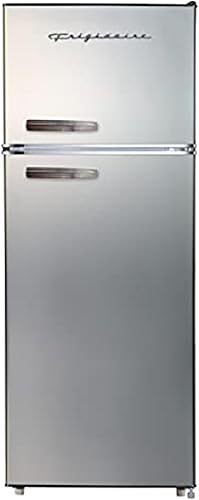
The best way to store pizza is to place it in an airtight container or wrap each slice tightly in aluminum foil or plastic wrap. Avoid stacking slices directly on top of each other without a barrier. For extra protection, put a paper towel under the slices to absorb moisture. This prevents the crust from becoming soggy. If you plan to eat it over several days, store slices in a single layer. A fridge with good humidity control, like the Frigidaire EFR753-PLATINUM, helps maintain consistent conditions.
Does Refrigerator Temperature Really Matter?
Yes. Your fridge must stay at 40°F or below to slow bacterial growth. A degree or two warmer shortens the safe window for pizza. Many fridges, especially smaller units, have hot spots. The Galanz GLR44BEER (4.4 cu ft) offers automatic defrost and a compressor that maintains steady temps. If you notice your pizza spoiling before day three, check your fridge temperature with an appliance thermometer. The Frigidaire FRQG1721AV (5.5 cu ft) also provides reliable cooling for smaller kitchens.
Signs Your Pizza Has Gone Bad
Trust your senses. The first sign is often a change in smell: if it smells sour, yeasty, or just off, don't taste it. Visual cues include mold spots (green, white, or black), a slimy film on the cheese or meat, or a dried-out, cracked surface. Texture changes like excessive hardness or a sticky feel are also red flags. If any slice shows spoilage, discard the entire batch to avoid cross-contamination.
Can You Freeze Pizza to Make It Last Longer?
Absolutely. Freezing pizza extends its life to 1-2 months. Wrap each slice in plastic wrap, then foil, and place in a freezer bag. Thaw in the fridge overnight. Reheat in a skillet or oven for best results. Avoid microwaving, which makes crust rubbery. For frequent pizza lovers, a freezer with consistent temperature, like the Frigidaire EFR753-PLATINUM (top freezer model), makes storage easy. Just remember: freezing pauses the clock but doesn't reset it. Once thawed, eat within 24 hours.
Best Fridge Types for Pizza Storage
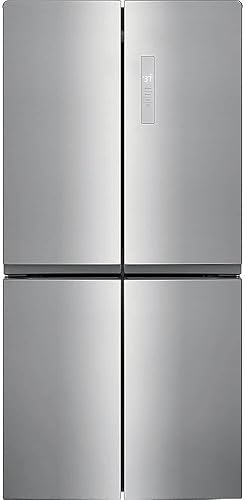
Any fridge that stays at 40°F or below works, but features like automatic defrost and even cooling help. The Galanz GLR44BEER is a compact option for dorms or offices. The Frigidaire EFR753-PLATINUM offers a 7.5 cu ft capacity with a top freezer, ideal for families. The Samsung RF18A5101SR/AA (18 cu ft, French door) provides counter-depth installation and frost-free operation. For smaller spaces, the Summit Appliance AL55 is an undercounter choice, though its reviews are mixed.
When to Just Throw the Pizza Away
If you can't remember when you ordered it, toss it. If it's been in the fridge for five days or more, don't risk it. Food poisoning from pizza is rare but can be serious, especially for children, pregnant women, and older adults. The cost of a new pizza is far less than a doctor visit. When in doubt, throw it out. A good rule: label your pizza box or container with the date. That way, you'll never have to guess.
Frequently asked questions
Can I eat pizza left out overnight?
No. Pizza left at room temperature for more than two hours should be discarded. Bacteria grow rapidly between 40°F and 140°F. If the room is above 90°F, the safe window is just one hour.
Is it safe to reheat pizza that's been in the fridge for 4 days?
If the pizza has been stored properly at 40°F or below and shows no signs of spoilage, it's safe to reheat on day four. Reheat to an internal temperature of 165°F to kill any bacteria.
Does putting pizza in the fridge stop bacteria growth?
Refrigeration slows bacterial growth but doesn't stop it completely. Some bacteria, like Listeria, can still grow slowly at fridge temps. That's why the 3-4 day limit exists.
What's the best way to reheat refrigerated pizza?
For crispy crust, reheat in a skillet over medium heat for 2-3 minutes, then cover and cook until cheese melts. Alternatively, use an oven at 375°F for 5-7 minutes. Avoid microwaving.