How Long Does Steak Last in the Freezer?
Freezer storage extends steak's life dramatically. Learn the exact timelines for quality vs. safety, how to prevent freezer burn, and which freezers keep steak at its best.
The direct answer: steak lasts indefinitely in the freezer from a safety standpoint, but for best quality, eat it within 4 to 12 months depending on the cut and how it's wrapped. At 0°F or colder, bacterial growth stops, so frozen steak stays safe to eat forever. However, quality degrades over time due to moisture loss and oxidation.
Knowing how long does steak last in the freezer matters because nobody wants to bite into dry, freezer-burned meat. With proper packaging, a whole roast can stay delicious for a year, while ground steak or thin cuts lose quality faster, around 3 to 4 months. The key is consistent temperature, which means your freezer's reliability plays a big role. That's why choosing the right freezer or refrigerator with a quality freezer compartment matters for long-term storage.

Steak Freezer Timelines by Cut
Steaks with more fat and thickness hold up better. Whole cuts like ribeye or sirloin roasts maintain quality for 10 to 12 months when vacuum sealed. Individual steaks that are 1 inch thick last 6 to 9 months. Thin cuts, such as flank or skirt steak, are best used within 3 to 6 months. Ground steak or steak that's been cubed for stew has more surface area exposed to air, so quality drops after 3 to 4 months. These are general guidelines, not safety cutoffs. If the freezer stays consistently at 0°F, the steak is safe indefinitely, but flavor and texture will decline.
Signs of Freezer Burn on Steak
Freezer burn happens when air reaches the steak's surface and dehydrates it. You'll see grayish-brown dry patches, and the texture becomes tough and leathery. Freezer burn doesn't make steak unsafe, but it ruins the eating experience. To spot it early, look for ice crystals on the packaging or the meat itself. If the package is torn or has frost inside, that's a red flag. Trimming the burned parts can salvage some of the steak, but the meat underneath may still be dry. Prevention is better: proper wrapping and airtight seals are your best defense.
Best Freezer Practices for Steak Quality
To maximize how long your steak stays tasty, start with fresh meat. Pat it dry, then wrap tightly in plastic wrap, followed by a layer of aluminum foil or a vacuum seal bag. Squeeze out as much air as possible. Label with the date and cut. Set your freezer to 0°F or lower. Avoid temperature fluctuations by not overstuffing the freezer and by keeping the door closed. If you have a refrigerator with a separate freezer drawer, like a French door model, check that the vents aren't blocked. A dedicated chest freezer maintains temperature best for long-term storage.
Thawing Frozen Steak Safely
The best way to thaw steak is in the refrigerator, which keeps it at a safe temperature while it thaws slowly. Plan ahead: a 1 inch thick steak takes 12 to 24 hours to thaw in the fridge. For faster thawing, use a cold water bath in a sealed bag, changing water every 30 minutes. Steak thawed this way should be cooked immediately. Never thaw steak on the counter at room temperature, as the outer layers can reach unsafe temperatures while the inside is still frozen. Once thawed, cook within 3 to 5 days and never refreeze thawed steak without cooking it first.
Choosing a Freezer for Long Term Storage
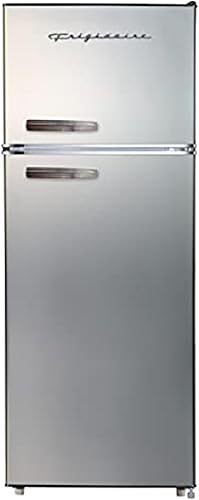
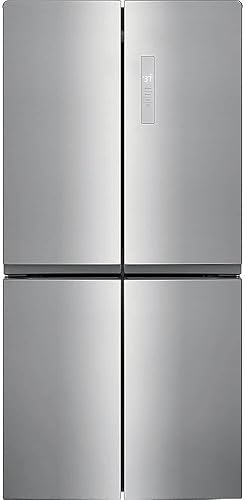
For serious steak storage, a dedicated freezer is ideal. Upright and chest freezers maintain stable temperatures, and many have manual defrost settings that reduce moisture fluctuations. If you're using a refrigerator's freezer section, look for models with good insulation and consistent temperature control. The Frigidaire EFR753-PLATINUM has a top freezer that stays cold enough for several months of storage. For larger families, the Samsung RF18A5101SR/AA French door refrigerator offers a spacious freezer drawer with frost free operation, making it easier to organize and access steaks.
How Freezer Type Affects Steak Longevity
Not all freezers are equal for long term steak storage. Manual defrost freezers tend to maintain more stable humidity, reducing freezer burn. Frost free models cycle through defrost periods that can cause slight temperature swings. But modern frost free freezers, like those in the Samsung RF18A5101SR/AA, are designed to minimize these swings. Chest freezers are better at maintaining temperature because cold air stays in when opened. Upright freezers are more convenient but lose more cold air when the door opens. For best results, choose a freezer with a good seal and avoid placing it in a hot garage.
Frequently asked questions
Can I eat steak that has been frozen for 2 years?
Yes, it is safe to eat if kept at 0°F constantly. However, quality will likely be poor due to freezer burn and texture changes. It's best to use within recommended timelines for optimal flavor.
Does freezing steak kill bacteria?
Freezing stops bacterial growth but does not kill bacteria. Once thawed, bacteria can become active again. Always cook thawed steak to a safe internal temperature of 145°F for whole cuts and 160°F for ground.
How can I tell if frozen steak has gone bad?
If the steak has an off smell, slimy texture, or discoloration after thawing, it may have spoilage bacteria. Freezer burn alone doesn't indicate spoilage; trim the affected areas and cook.
Is it better to freeze steak in its original packaging?
Original packaging is often not airtight enough for long term storage. Rewrap in plastic wrap and foil or vacuum seal for best results. Original packaging is fine for short term (a few weeks).