How Long Does Sushi Last in the Fridge?
Sushi is best fresh, but if you have leftovers, proper fridge storage can keep it safe for a day or two. Here's what you need to know about timing, temperature, and signs of spoilage.
Sushi lasts in the fridge for 24 to 48 hours when stored properly in an airtight container at or below 40°F. Raw fish sushi should be eaten within 24 hours for the best quality and safety, while cooked or vegetarian sushi can stretch to 48 hours. After that, the risk of bacterial growth increases, and texture and flavor decline.
The answer to how long does sushi last in the fridge depends on the ingredients, how quickly it was refrigerated, and your fridge's temperature consistency. Sushi with raw fish is more perishable than rolls with cooked ingredients or vegetables. To maximize freshness, place sushi in the coldest part of your fridge (usually the back), wrap it tightly in plastic wrap or an airtight container, and avoid storing it in the door where temperatures fluctuate. If you need longer storage, freezing is an option for some types, but expect texture changes upon thawing.

Sushi Storage Timeline by Type
The clock starts ticking the moment sushi is made. For raw fish sushi like nigiri or sashimi, eat within 24 hours of refrigeration. Cooked sushi such as eel or shrimp rolls can last up to 48 hours. Vegetarian rolls with cucumber, avocado, or egg can also go 48 hours. If you are unsure, stick to the 24 hour rule for anything with raw fish. The rice itself also degrades quickly, becoming hard or dry after a day. Always refrigerate sushi within two hours of purchase or preparation.
How to Store Sushi in the Fridge Correctly
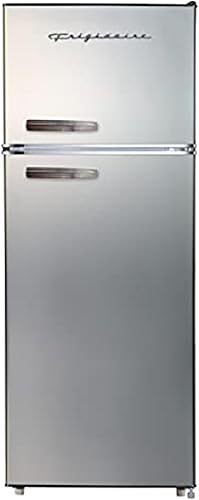
Proper storage extends sushi's fridge life. First, remove sushi from any cardboard or Styrofoam containers. Wrap each piece individually in plastic wrap to prevent drying and odor absorption, or place rolls in an airtight container with a damp paper towel on top to maintain moisture. Set your fridge to 40°F or lower the optimal temperature. A dedicated appliance like the Frigidaire EFR753-PLATINUM refrigerator ($329.00, 4.1 stars across 586 reviews) offers consistent cooling in a 7.5 cu ft space, ideal for keeping sushi fresh. Avoid storing sushi near strong smelling foods like onions or fish.
Signs Your Sushi Has Gone Bad
Before eating leftover sushi, check for spoilage. Look for a sour or ammonia like smell, especially from raw fish. The rice may become hard, slimy, or develop a fermented odor. Fish can turn dull or discolored, and any off taste means toss it immediately. If you see mold on any ingredient, discard the entire piece. Never taste sushi that looks or smells suspicious. When in doubt, throw it out. Food safety is more important than avoiding waste.
Can You Freeze Sushi for Later?
Freezing sushi is possible but not ideal. Raw fish sushi freezes poorly because the texture becomes mushy after thawing. Cooked sushi freezes somewhat better, but the rice will be grainier. For best results, freeze sushi in a single layer on a baking sheet, then transfer to a freezer bag. Thaw overnight in the fridge and eat within 24 hours. Avoid freezing sushi that has been refrigerated for more than a day. A freezer like the upright freezer category can help, but for sushi, fresh is best.
Best Refrigerators for Sushi Storage
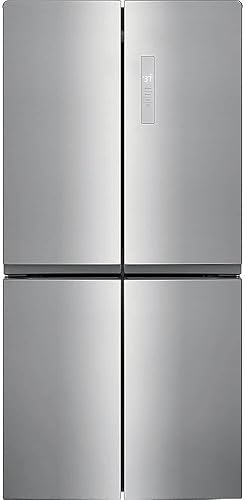
A reliable fridge with accurate temperature control is key for sushi. The Frigidaire EFR753-PLATINUM (4.1 stars, 586 reviews) offers a stable environment and reversible door for flexible placement. For smaller spaces, the Galanz GLR44BEER (3.9 stars, 6 reviews) at $259.99 is a budget friendly option with automatic defrost. If you want a larger capacity, the Frigidaire FRQG1721AV (4.3 stars, 268 reviews) provides 5.5 cu ft and consistent cooling. For high end storage, the Samsung RF18A5101SR/AA (3.9 stars, 23 reviews) offers French door layout with frost free defrost.
Common Mistakes That Shorten Sushi Shelf Life
Leaving sushi at room temperature for more than two hours is the biggest mistake. Bacteria multiply rapidly between 40°F and 140°F. Another error is storing sushi in the fridge door where temperatures fluctuate with every open. Always place sushi in the main compartment. Using a container that is too large exposes sushi to excess air, drying it out. Finally, mixing leftover sushi with fresh sushi can cross contaminate. Keep leftovers separate and label them with the date.
When to Toss Leftover Sushi
If your sushi has been in the fridge for more than 48 hours, discard it even if it looks okay. The risk of foodborne illness increases after that window. Pregnant women, young children, older adults, and those with compromised immune systems should be especially cautious and not eat refrigerated raw fish sushi after 24 hours. Trust your senses: if the texture, smell, or appearance is off, do not eat it. Better safe than sorry.
Frequently asked questions
Can I eat sushi left out overnight?
No. Sushi left at room temperature for more than two hours should be discarded. Bacteria can multiply quickly, and the risk of food poisoning is high. Always refrigerate sushi within two hours of purchase or preparation.
Does sushi last longer in the fridge if it's cooked?
Yes. Cooked sushi like tempura rolls or eel rolls can last up to 48 hours in the fridge. Raw fish sushi is best eaten within 24 hours. Vegetarian rolls also last about 48 hours.
How can I tell if sushi rice has gone bad?
Sushi rice that has gone bad may have a sour or fermented smell, a hard or slimy texture, or visible mold. The grains may also look dry or discolored. If in doubt, discard it.
Is it safe to eat sushi after 3 days in the fridge?
No. Even if it looks and smells fine, sushi should not be eaten after 48 hours in the fridge. Bacteria can grow without obvious signs. For safety, follow the 24 to 48 hour rule depending on ingredients.