How Long Is Meat Good in the Freezer? A Complete Guide
Freezing meat extends its life, but not forever. Here are the recommended freezer storage times for common meats, plus how to choose a freezer-friendly refrigerator.
The straightforward answer: meat is safe indefinitely in a freezer kept at 0°F, but quality declines after several months. For best flavor and texture, use ground meat within 3-4 months, steaks and roasts within 6-12 months, and poultry within 6-9 months. How long is meat good in the freezer depends on the cut, packaging, and temperature consistency.
Proper freezing locks in nutrients and prevents bacterial growth, but freezer burn can ruin taste. Vacuum sealing or tight wrapping with freezer paper helps preserve quality. This guide covers exact timelines for different meats, signs of spoilage, and how to organize your freezer for long-term storage. Whether you have a chest freezer or a refrigerator freezer, these tips will help you reduce waste and enjoy safe, tasty meat months later.

Freezer Storage Times for Common Meats
To get the best quality from frozen meat, follow these USDA-recommended storage times at 0°F. Ground beef, turkey, and pork: 3-4 months. Steaks and chops (beef, pork, lamb): 6-12 months. Whole roasts (beef, pork, lamb): 6-12 months. Whole chicken or turkey: up to 1 year. Chicken or turkey pieces: 9 months. Bacon and sausage: 1-2 months. Ham (fully cooked): 1-2 months. Game meats like venison: 6-12 months. These timelines assume proper packaging. Meat stored beyond these periods is still safe to eat if kept frozen continuously, but texture and flavor may decline.
Signs of Freezer Burn and How to Prevent It
Freezer burn appears as dry, grayish-brown patches on meat's surface. It happens when air reaches the meat, causing dehydration and oxidation. While safe to eat, the texture becomes tough and flavor off. To prevent freezer burn, wrap meat tightly in freezer paper, plastic wrap, or vacuum-seal bags. Squeeze out as much air as possible. For long-term storage, double-wrap or use a freezer-safe container. A consistent freezer temperature (0°F or below) also helps. Avoid frequent opening of the freezer door, which causes temperature fluctuations and promotes freezer burn.
Does the Type of Freezer Matter for Meat Storage?
Yes. A chest freezer typically maintains temperature better than a refrigerator's built-in freezer, especially when full. Upright freezers offer easier organization but may have more temperature swings when opened. For serious meat storage (bulk purchases, hunting, or meal prep), a dedicated chest freezer is ideal. Refrigerator freezers work fine for smaller quantities, but their smaller size and frequent door use can lead to more freezer burn. If using a refrigerator freezer, keep meat in the coldest part (usually the back) and avoid overstuffing, which blocks air circulation.
How to Thaw Frozen Meat Safely
The safest methods are in the refrigerator (24 hours per 5 pounds), in cold water (change water every 30 minutes), or in the microwave (cook immediately after). Never thaw meat on the counter at room temperature, as the outer layer can enter the danger zone (40-140°F) while the inside is still frozen. Once thawed in the refrigerator, meat can stay there for 1-2 days before cooking. Refreezing raw meat that has been thawed in the refrigerator is safe but may further reduce quality.
Organizing Your Freezer for Best Meat Storage
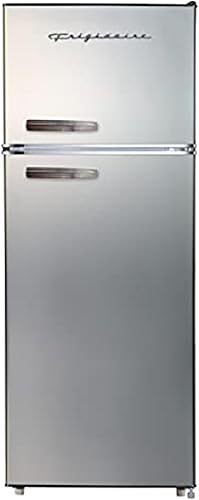
Good organization extends meat's quality and prevents waste. Label every package with the cut, date, and weight. Use a 'first in, first out' system: place newer packages behind older ones. Store similar meats together (all beef in one bin, poultry in another). Keep a freezer inventory on the door or a notes app. For a refrigerator freezer with limited space, prioritize meats you'll use soon and consider a compact freezer for long-term storage. The Galanz GLR44BEER (4.4 cu ft) or Frigidaire EFR753-PLATINUM (7.5 cu ft) offer extra freezer space in a compact footprint.
When to Discard Frozen Meat: Safety vs. Quality
Frozen meat that has been kept at 0°F continuously is safe to eat indefinitely, even if quality has declined. However, if the power goes out or the freezer door is left open, meat may partially thaw and refreeze. Check for ice crystals: if the meat still has ice crystals and feels cold (below 40°F), it can be refrozen. If it has been above 40°F for over 2 hours, discard it. Also discard any meat with an off smell, slimy texture, or excessive freezer burn covering most of the surface. When in doubt, throw it out.
Best Refrigerators for Freezer Meat Storage
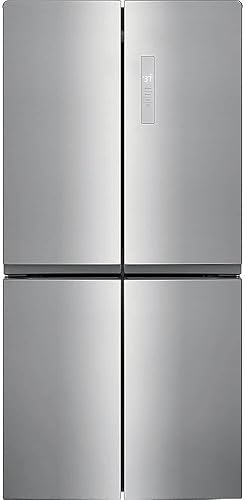
For home cooks who freeze meat regularly, a refrigerator with a spacious, well-organized freezer is key. The Samsung RF18A5101SR/AA (18 cu ft, French door) offers a large bottom freezer with pull-out drawer and frost-free operation, making it easy to store and retrieve meat. The Frigidaire FRQG1721AV (5.5 cu ft freezer capacity) provides ample space and consistent temperature. For smaller kitchens, the Frigidaire EFR753-PLATINUM (7.5 cu ft total, top freezer manual defrost) is budget-friendly and reliable. Consider your meat storage volume and choose a model with good insulation and temperature control.
Frequently asked questions
Can you eat meat that has been frozen for 2 years?
Yes, if kept at a constant 0°F, it is safe to eat indefinitely. However, quality will likely be poor due to freezer burn and texture changes. Check for off odors or excessive ice crystals before cooking.
How long is ground beef good in the freezer?
Ground beef maintains best quality for 3-4 months when stored at 0°F. It remains safe beyond that, but flavor and texture may deteriorate. For best results, vacuum seal or wrap tightly in freezer paper.
Is it safe to refreeze meat that has thawed?
Yes, if it was thawed in the refrigerator and still cold (below 40°F). Refreezing may reduce quality (drier texture), but it's safe. Do not refreeze meat that thawed on the counter or in warm water.
What is the best way to freeze meat to keep it fresh?
Wrap meat tightly in freezer paper or plastic wrap, removing as much air as possible. For longer storage, use a vacuum sealer. Label with date and cut. Freeze quickly (spread out on a tray) to maintain texture.