How Loud Is Too Loud? A Refrigerator Noise Guide
Refrigerators make noise, but when is it too loud? This guide helps you understand normal decibel levels, common culprits, and how to tell if your fridge needs a repair.
The short answer: any noise above 45 decibels is considered loud for a refrigerator, and persistent sounds over 50 dB likely indicate a problem. Normal refrigerators hum between 32 and 45 dB, similar to a quiet library or soft conversation. If your fridge is louder than that, or if you hear new or unusual sounds like buzzing, clicking, or rattling, it may be time to troubleshoot.
This how loud is too loud refrigerator noise guide will help you identify the source of the noise, decide if it's a normal operating sound or a warning sign, and point you to refrigerator models known for quiet operation. We'll cover decibel ranges, common noise types, and practical tips to quiet things down. For a full lineup of quiet refrigerators, check our best refrigerators category.


What Decibel Range Is Normal for a Refrigerator?
Most modern refrigerators operate at 32 to 45 decibels (dB). At 32 dB, the sound is barely audible, like a whisper. At 40 dB, it is comparable to a quiet library. At 45 dB, you might hear a soft hum from the next room. A fridge rated above 45 dB is considered noisy by most standards. For example, some compact models like the Galanz GLR44BEER (4.4 cu ft) may produce noise in the upper 40s due to their smaller compressor. In contrast, larger models such as the Samsung RF18A5101SR/AA (18 cu ft, 3.9 stars) often advertise lower dB ratings. If your fridge consistently exceeds 50 dB, it could indicate a mechanical issue or poor installation.
Common Refrigerator Noises and Their Causes
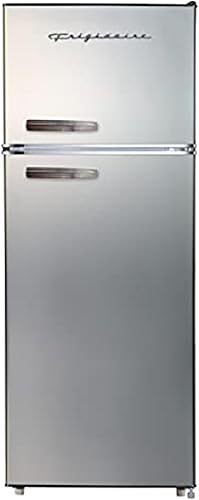
Refrigerators make a variety of sounds: humming from the compressor, clicking from the defrost timer, gurgling from refrigerant flow, and rattling from loose components. A low hum is normal, but a loud buzzing may indicate a faulty compressor or condenser fan. Clicking is typical when the compressor cycles on and off, but rapid clicking could mean a failing start relay. Gurgling sounds are normal as refrigerant circulates, especially after a defrost cycle. If you hear a persistent knocking or rattling, check for loose shelves, an unlevel fridge, or a fan blade hitting ice buildup. The Frigidaire EFR753-PLATINUM (7.5 cu ft, 4.1 stars) is often praised for quiet operation, but any model can develop noise over time.
How to Measure Your Refrigerator's Noise Level
You do not need professional equipment. Use a smartphone app like Decibel X (iOS) or Sound Meter (Android) to measure noise from about three feet away. Place the phone near the compressor (usually at the bottom back) and near the front doors. Average the readings over a few minutes. Normal readings should be 32 to 45 dB. If you consistently get readings above 50 dB, there may be an issue. Also, note whether the sound is constant or intermittent. Constant loud noise is more concerning than occasional clicks or gurgles. Remember that older fridges tend to be louder; a model from the early 2000s may run at 50 dB and still be normal for its age.
When Should You Worry About Refrigerator Noise?
Worry if the noise is new, gets louder over time, or is accompanied by performance issues like inadequate cooling or frequent cycling. Loud buzzing or grinding from the compressor area suggests a failing compressor or condenser fan motor. Excessive clicking (more than once per minute) may point to a defective relay. A high-pitched squeal can mean the evaporator fan motor needs replacement. If your fridge is under warranty, call a technician. For older units, compare the cost of repair versus replacement. Models like the Frigidaire FRQG1721AV (5.5 cu ft, 4.3 stars) have good reliability ratings, but even reliable fridges can develop noise issues.
Tips to Reduce Refrigerator Noise
First, ensure the fridge is level. An unlevel fridge can cause vibrations and rattling. Adjust the front leveling legs. Second, check that the back is not touching the wall, which amplifies noise. Leave at least one inch of clearance. Third, secure any loose items inside like bottles or shelves. Fourth, clean the condenser coils (if accessible) to improve efficiency and reduce strain on the compressor. Fifth, place a vibration-dampening mat underneath. For persistent noise, consider replacing an older model with a quieter one. The Samsung RF18A5101SR/AA (18 cu ft, 3.9 stars) is known for its quiet operation, and the Frigidaire EFR753-PLATINUM offers good value with a 4.1-star rating.
Quietest Refrigerator Options for Noise-Sensitive Homes
If noise is a top concern, look for models with inverter compressors, which run at variable speeds and produce less noise. French door and side-by-side models often have better sound insulation. The Samsung RF18A5101SR/AA (18 cu ft, $1299, 3.9 stars) uses a digital inverter compressor and is designed for quiet operation. The Frigidaire EFR753-PLATINUM (7.5 cu ft, $329, 4.1 stars) is a top-freezer model that buyers frequently mention as quiet. For compact spaces, the Galanz GLR44BEER (4.4 cu ft, $259.99) is affordable but may be slightly louder. For premium quiet, the ZLINE RFM-36 (22.5 cu ft, $3074.99) is built to minimize noise but comes at a higher price.
Frequently asked questions
What is considered a loud refrigerator in decibels?
Any refrigerator that consistently operates above 45 decibels is considered loud. Normal fridges run between 32 and 45 dB. If your fridge exceeds 50 dB, it may have a problem or simply be an older, noisier model.
Why is my refrigerator making a loud buzzing noise?
A loud buzzing noise often comes from a failing compressor or condenser fan motor. It can also be caused by a loose component vibrating. Check if the fridge is level and not touching the wall. If buzzing persists, call a technician.
Is it normal for a refrigerator to make clicking sounds?
Yes, occasional clicking is normal when the compressor cycles on and off or the defrost timer activates. However, rapid or constant clicking (more than once per minute) may indicate a faulty start relay or other electrical issue.
How can I make my refrigerator quieter?
Level the fridge, pull it away from the wall, secure loose items, clean condenser coils, and place a vibration-dampening mat underneath. If the fridge is old and noisy, consider replacing it with a newer quiet model.