How Often to Change Refrigerator Water Filter
Wondering how often to change refrigerator water filter? Most need replacement every 6 months. We break down schedules, warning signs, and what happens if you wait too long.
The standard recommendation is to change your refrigerator water filter every six months. That's the short answer to how often to change refrigerator water filter. But the real answer depends on your water quality, usage, and your fridge model.
Six months is a good baseline because it balances filter capacity with water quality. Most manufacturers set their filters to last about 300 gallons or six months, whichever comes first. If you have a family that drinks a lot of water or makes frequent ice, you might need to replace it sooner. Conversely, if your water is already filtered or you use it less, you might stretch it to eight or nine months. The key is to watch for signs like slower flow, bad taste, or odd odors. Ignoring the schedule can lead to reduced water quality and even put strain on your ice maker or water dispenser.


The Standard 6-Month Rule for Water Filters
Most refrigerator manufacturers recommend replacing the water filter every six months. This timeline is based on the average household using about 50 gallons of water per month for drinking and ice making. After six months, the filter's activated carbon starts to lose effectiveness, meaning it can't trap contaminants as well. Some filters have a built-in timer or indicator light that alerts you when it's time. But even if your fridge doesn't have one, mark your calendar. Replacing on schedule ensures your water stays fresh and your ice tastes clean.
What Happens If You Don't Change the Filter
Waiting too long to change your refrigerator water filter can cause several problems. First, the filter becomes clogged with trapped particles, reducing water flow to your dispenser and ice maker. Second, the old filter can become a breeding ground for bacteria, mold, and fungus, which then get into your water and ice. Third, the filter may release trapped contaminants back into your water, making it taste or smell bad. Over time, a neglected filter can also put extra strain on your fridge's water valve and ice maker, potentially leading to costly repairs.
Signs It's Time to Change Your Filter
Even if you haven't hit the six-month mark, certain signs indicate the filter needs replacement. Water flows slower than usual from the dispenser. Ice cubes are smaller or take longer to form. The water has a funny taste, or the ice smells musty or like chlorine. You might also see cloudy ice or notice that the filter indicator light is flashing or red. If you notice any of these, change the filter sooner rather than waiting for the calendar date.
How Water Quality Affects Filter Lifespan
Your home's water quality plays a big role in how often to change refrigerator water filter. If you have hard water with high mineral content, the filter will clog faster. Sediment from old pipes can also reduce filter life. On the other hand, if you have a whole-house filtration system or use reverse osmosis, your fridge filter may last longer. City water treated with chlorine will deplete the carbon filter faster than well water. Testing your water hardness and sediment levels can help you adjust the replacement schedule.
Does Using the Water Dispenser Affect Filter Life?
Yes, the more water you dispense, the faster the filter wears out. A family of four that uses the water dispenser multiple times daily and makes several trays of ice will reach the filter's capacity sooner than a single person who drinks bottled water. If you entertain often or have guests, consider changing the filter more frequently. Some filters are rated for 200 gallons, others for 300. Check your fridge manual for the exact capacity and track your usage.
How to Find the Right Replacement Filter
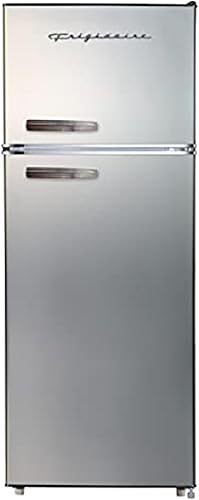
To get the correct filter, check your refrigerator's model number, usually found on a sticker inside the fridge. Then look for the specific filter part number in the manual or online. Generic or compatible filters are available for many brands like Frigidaire, Samsung, and Whirlpool. They often cost less than OEM filters but may have slightly different performance. Read reviews carefully to ensure compatibility. Some fridges, like the Frigidaire EFR753-PLATINUM (ASIN B09DTNMTGV) or the Samsung RF18A5101SR/AA (ASIN B09HJR2W4P), have easily replaceable filters. Always buy from a reputable seller to avoid counterfeits.
Tips to Extend Your Filter's Life
While you can't make a filter last forever, you can maximize its lifespan. Use the cold water dispenser for drinking rather than letting water run from the tap. Flush the filter for 3-5 minutes after installation to remove loose carbon dust. Keep your fridge's temperature consistent (around 37-40°F). If you have an ice maker, occasionally discard old ice to prevent odor transfer. And finally, don't bypass the filter entirely; even if you don't use the water dispenser, the ice maker still needs clean water.
Frequently asked questions
How often do I need to change my refrigerator water filter?
Every six months is the standard recommendation. But if you use your water dispenser and ice maker heavily, or notice a drop in flow or taste, change it sooner.
Can I use a generic filter instead of the brand name?
Yes, compatible generic filters are often available for less. Just verify the model number and read reviews to ensure a good fit and performance.
What happens if I leave the filter in too long?
The filter can become clogged, reduce water flow, and potentially grow bacteria or release trapped contaminants back into your water and ice.
Does a refrigerator water filter remove fluoride?
Most standard refrigerator filters use activated carbon, which does not remove fluoride. You would need a specialized filter for that.