How to Defrost a Refrigerator
Defrosting your fridge prevents frost buildup and keeps it running efficiently. Here's everything you need to know, whether you have a manual or automatic model.
Defrosting a refrigerator is the process of removing ice buildup from the freezer or fridge compartment. For manual-defrost models, you need to turn off the unit, empty it, and let the ice melt; automatic and frost-free models handle it themselves, but you may still need to clean the drain. This guide covers both methods.
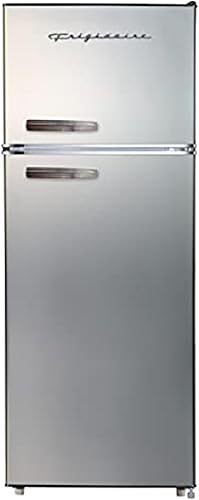
Knowing how to defrost a refrigerator can extend its life and improve energy efficiency. While many newer fridges are frost-free, older or budget models (like the Frigidaire EFR753-PLATINUM) still require manual defrosting. Our goal is to help you do it safely and quickly, so your food stays cold and your electric bill stays low.


Why Defrosting Matters
Frost buildup happens when warm, humid air enters the freezer and condenses on cold surfaces. Over time, ice layers form, reducing airflow and making the compressor work harder. This can raise your energy bill and shorten the fridge's lifespan. Manual-defrost models need periodic attention, while automatic defrost models (like the Galanz GLR44BEER) melt frost during a cycle. But even automatic systems can clog if the drain gets blocked, so occasional cleaning is wise.
Tools You Will Need
Before starting, gather: a plastic scraper or spatula (never metal, it can puncture coils), towels or old rags to catch water, a shallow pan or baking sheet, a cooler with ice packs for perishable food, and a bucket of warm water. For fast defrosting, a hairdryer on low heat can speed things up, but keep it away from water. Avoid sharp tools or excessive force. The Frigidaire EFR753-PLATINUM, with its 7.5 cu ft capacity and manual defrost, requires patience but no special equipment.
Step-by-Step Manual Defrost
Unplug the refrigerator and remove all food (store in a cooler). Open the freezer door and place towels at the base. Remove drawers and shelves if possible. Let the ice melt naturally, or speed it up by placing bowls of hot water inside. Scrape off loosened ice with a plastic scraper. Never chip at solid ice. Once all ice is gone, wipe the interior dry with a clean cloth. Plug the fridge back in and wait for it to reach temperature before returning food. For a model like the Frigidaire EFR753-PLATINUM (4.1 stars from 586 reviews), expect this to take 2-4 hours.
Automatic and Frost-Free Defrost
Most modern fridges, like the Samsung RF18A5101SR/AA (frost-free, 3.9 stars, 23 reviews) or the Haier QHE16HYPFS (automatic defrost), handle ice melting automatically. A heater cycles on periodically to melt frost. However, you may still need to clean the drain tube if water pools inside. Check the owner's manual for drain access. If you see ice buildup in a frost-free model, it may indicate a failed heater, thermostat, or timer. In that case, contact a technician. Otherwise, simply wipe the interior during regular cleaning.
How Often to Defrost
For manual-defrost fridges, defrost when the ice is more than 1/4 inch thick. This typically happens every 6 to 12 months, depending on humidity and door usage. The Frigidaire EFR753-PLATINUM, with its manual defrost, benefits from annual attention. Automatic models rarely need intervention unless you notice pooling water or excessive frost. The Galanz GLR44BEER (automatic defrost, 3.9 stars) should stay frost-free under normal use. Never let ice build up so thick that it prevents the door from sealing properly.
Tips for Faster Defrosting
Place a pot of boiling water inside the freezer on a trivet; the steam will melt ice quickly. Close the door to trap heat. Use a hairdryer on low heat, holding it 6 inches away from surfaces. Never use a knife or ice pick. For large buildup, remove ice chunks as they loosen. The Summit Appliance AL55 (compact, automatic defrost, 2.0 stars) may still develop frost if the door is left open. Keep the door closed as much as possible to minimize frost accumulation.
Long-Term Maintenance
After defrosting, inspect the door gasket for tears or gaps; replace if needed. Clean the condenser coils every 6 months to improve efficiency. For models like the Samsung RF18A5101SR/AA, keep the drain pan clean. If you own a manual-defrost unit like the Frigidaire EFR753-PLATINUM, mark your calendar for annual defrosting. Proper care ensures your fridge runs smoothly for years, saving you money and preventing food spoilage.
Frequently asked questions
How long does it take to defrost a refrigerator?
Manual defrost typically takes 2 to 4 hours, depending on ice thickness and method. Using bowls of hot water or a hairdryer can speed it up. Automatic defrost cycles run for about 20-30 minutes per cycle, but you don't need to wait.
Can I defrost a fridge without unplugging it?
It's safer to unplug for manual defrost to avoid water contact with electrical parts. For frost-free models, you don't need to unplug; the heater runs automatically. However, if cleaning the drain, unplugging is recommended.
Why is my frost-free fridge still icing up?
If you see ice in a frost-free fridge, it could mean a failed defrost heater, thermostat, or timer. Also check the door gasket for leaks. Manual defrost may be needed temporarily until repairs are made.
Can I use a hair dryer to defrost my fridge?
Yes, but keep it on low heat and hold it at least 6 inches from surfaces to avoid damaging plastic. Never use a hair dryer near standing water. A heat gun is too hot and can warp parts.