How to Get Clear Ice at Home
Cloudy ice comes from trapped air and impurities. Learn the science behind clear ice and simple methods to make crystal-clear cubes for your cocktails and beverages.
The best way to get clear ice is to freeze water directionally so impurities and air bubbles are pushed to one side. You can achieve this using a cooler, a directional ice mold, or by boiling water first. Clear ice isn't just for looks: it melts slower, dilutes your drink less, and makes your whiskey or cocktail taste better.
Cloudy ice happens because tap water contains dissolved minerals and trapped air. As water freezes from all sides in a typical ice tray, these impurities get concentrated in the center, creating that white, opaque look. By controlling the freezing direction, you force impurities out of the ice, leaving a crystal-clear block. This guide covers several at-home methods, plus which ice makers are designed to produce clear ice consistently.

Why Is Most Ice Cloudy?
Cloudy ice is the result of dissolved gases and minerals in water. When water freezes from all directions in a standard ice tray, impurities are pushed toward the center where they become trapped. This creates the white, opaque appearance you see in most home ice. Clear ice requires freezing water in one direction so that impurities and air bubbles are forced out of the ice block. Directional freezing is the key: water freezes from the top down or bottom up, leaving the cloudy water to freeze last or be discarded. Many ice makers designed for clear ice use this principle.
Method 1: Directional Freezing with a Cooler
The most reliable method for clear ice at home uses an insulated cooler. Fill a small cooler (like a Coleman) with water almost to the top and place it in your freezer with the lid open. The insulation forces the water to freeze from the top down over 18-24 hours. Once frozen, remove the block and cut away the cloudy bottom layer with a serrated knife. The remaining ice is crystal clear. This method is cheap and works every time, though it requires freezer space and some effort to shape the ice.
Method 2: Boiled or Distilled Water
Boiling tap water removes some dissolved air, which can reduce cloudiness. Boil water, let it cool, then freeze it in a standard ice tray. The result is clearer than tap water but not perfectly transparent. For better results, use distilled or deionized water, which lacks the minerals that cause cloudiness. Combined with boiling, this produces noticeably clearer ice. However, this method still freezes from all sides, so the center may remain slightly cloudy.
Method 3: Purpose-Built Clear Ice Makers
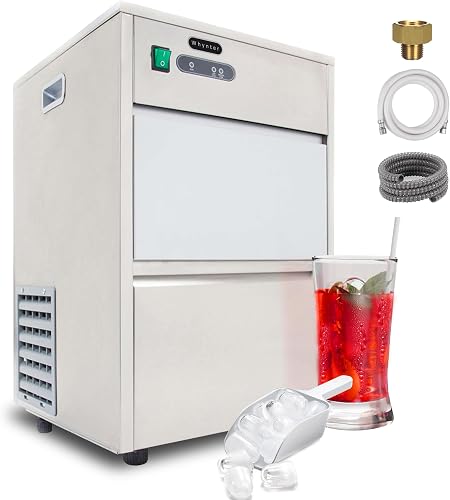
If you want clear ice without the hassle, consider a dedicated ice maker that produces clear ice. Many countertop models use a vertical freezing process that pushes impurities out. For example, the NewAir AI-100S (ASIN B000N6302Q) is rated 4.0 stars across 553 reviews and costs around $279. It produces clear, slow-melting nugget or cube ice. Another option is the Whynter FIM-450HS (ASIN B00D7JUXMQ), rated 4.1 stars across 49 reviews at $399. These machines are designed for consistent clear ice production.
Method 4: Pressed Ice Molds and Tray Hacks
Specialized clear ice molds, such as those from brands like Tovolo or W&P, use a silicone mold with an insulated base that encourages top-down freezing. Fill the mold, place it in the freezer, and the ice freezes clear from the top. The insulated bottom keeps the water liquid longer, allowing impurities to settle. After freezing, the cloudy portion is on the bottom and can be trimmed off. This method is easier than a cooler but yields smaller cubes.
What to Look For in a Clear Ice Maker
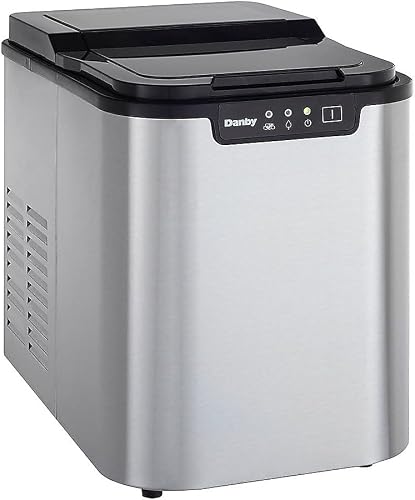
When shopping for a clear ice maker, consider the ice type (cubes, nuggets, or bullet), production rate, and ease of cleaning. Machines with a self-cleaning cycle or stainless steel components are easier to maintain. The NewAir AI-100SS (ASIN B003LVXD6I, 4.0 stars, 870 reviews) is a popular choice. For a budget pick, the Danby DIM2500SSDB (ASIN B00GDBDPJS, 4.1 stars, 646 reviews, $120) produces clear bullet ice. Always check buyer feedback for long-term satisfaction: many owners report that their clear ice maker still performs well months later.
Long-Term Satisfaction with Clear Ice Makers
Clear ice makers are a long-term investment for cocktail enthusiasts. Based on hundreds of reviews, buyers appreciate the consistent clarity and slow melt rate. Months after purchase, common praises include easy cleaning, quiet operation, and reliable ice production. Negatives sometimes include noise or slower production than expected. Checking recent reviews helps gauge current quality. Models like the NewAir AI-100R (ASIN B0017Y3GGI, 4.1 stars, 892 reviews, $150) show enduring satisfaction, making them a solid choice for clear ice lovers.
Frequently asked questions
Does boiling water make clear ice?
Boiling water removes dissolved air, which reduces cloudiness, but it still freezes from all sides in a tray, so the center may remain slightly cloudy. For fully clear ice, you need directional freezing or a clear ice maker.
Why is my ice still cloudy after using distilled water?
Distilled water lacks minerals but still contains dissolved gases. Without directional freezing, air bubbles get trapped as water freezes from all sides, causing cloudiness. Use a cooler or clear ice mold to force air out.
How much does a clear ice maker cost?
Countertop clear ice makers range from around $120 to $400. For example, the Danby DIM2500SSDB is about $120, while the NewAir AI-100S is around $279. Prices vary by features and capacity.
Can I get clear ice from my refrigerator's ice maker?
Most refrigerator ice makers produce cloudy ice because they freeze water quickly from all sides. Some high-end refrigerators have a clear ice feature, but generally, a standalone ice maker or DIY method is needed for crystal-clear cubes.