How to Level a Refrigerator: A Complete Guide
Leveling your refrigerator prevents door alignment issues, reduces noise, and helps the appliance run efficiently. Follow these simple steps to get it right.
To level a refrigerator, adjust the front leveling legs until the fridge is stable and the doors close on their own. This simple task prevents common problems like doors that swing open, excessive vibration, and uneven cooling.
Most refrigerators have adjustable leveling legs at the front corners. You turn them with a wrench or screwdriver to raise or lower each corner. The goal is to have the fridge slightly higher at the front (by about 1/8 inch) so the doors close naturally. A spirit level placed on the top shelf tells you if it's level side to side. Checking and correcting the level takes less than 15 minutes and is a maintenance step that pays off in long-term satisfaction.


Why Leveling Matters for Your Fridge
A refrigerator that isn't level can cause doors to sag or not seal properly, leading to energy waste and food spoilage. It can also make the compressor work harder, reducing its lifespan. Over time, an unlevel fridge may rock or vibrate, creating noise and potentially damaging your floor. Leveling ensures even weight distribution, which helps the door gaskets seal tightly and prevents the unit from tipping forward when you open a door loaded with food.
Tools You'll Need
You'll need a bubble level (at least 24 inches long for accuracy), a wrench or adjustable pliers to turn the leveling legs, and possibly a screwdriver. Some fridges have legs that turn by hand. A helper is useful for spotting the level and adjusting legs from below. If your fridge has a front grille, you may need to remove it to access the legs. Have a vacuum handy to clean dust off the condenser coils while you're down there.
Step-by-Step Leveling Process
Start by moving the fridge away from the wall to access the legs. Place the bubble level on the top shelf (or inside the fridge on the floor) side to side. If it's not centered, adjust the two front legs: turn clockwise to raise, counterclockwise to lower. Then check front to back: the front should be about 1/8 inch higher than the back so doors close by themselves. Adjust the rear legs if accessible, or tilt the fridge slightly to shift the weight. Recheck side to side and front to back until both are level. Tighten locknuts if present, then push the fridge back into place.
Common Mistakes to Avoid
One mistake is overcompensating by raising the rear legs too high, which can make the fridge tip forward. Another is skipping the front-to-back check; side-to-side only isn't enough. Avoid using shims under the feet permanently; they can shift. Don't forget to recheck the level after moving the fridge back, as the floor may be uneven. Finally, if your fridge has adjustable rollers, make sure they're locked after leveling to prevent rolling.
When to Call a Professional
If your fridge still isn't level after adjusting the legs, the floor may be uneven or the appliance's frame could be bent. In that case, a technician can install floor levelers or check for damage. Also, if the fridge is built into cabinetry with minimal clearance, professional installation is safer. For most freestanding fridges, DIY leveling is straightforward and should be part of your routine maintenance.
How Regular Leveling Affects Long-Term Satisfaction
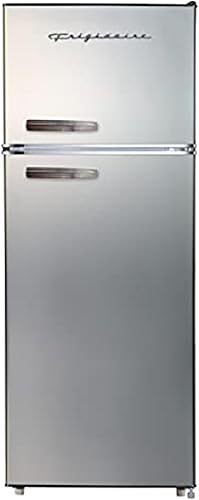
Buyers who level their fridge upon installation and after moving it report fewer door alignment issues months later. The Frigidaire EFR753-PLATINUM, for example, has a 4.1-star average from over 580 reviews, and many users highlight that proper leveling ensures the reversible door works correctly. The Samsung RF18A5101SR/AA also benefits from leveling due to its French doors; even a slight tilt can cause misalignment. Taking 15 minutes now can save you from a service call down the road.
Quick Tips for Maintaining Level
After leveling, check the fridge annually or whenever you notice doors not closing right. If you move the fridge for cleaning, always re-level it. For models with automatic defrost like the Galanz GLR44BEER, leveling ensures proper drainage. If you have a counter-depth unit like the Samsung RF18A5101SR/AA, pay extra attention to side-to-side level because it sits flush with cabinets. A level fridge is a happy fridge.
Frequently asked questions
How do I know if my refrigerator is level?
Place a bubble level on the top shelf side to side and front to back. If the bubble is centered and your doors close slowly on their own, it's level. If doors swing open or shut quickly, it's not.
Do I need to level a new refrigerator before use?
Yes, always level a new fridge upon installation. It ensures proper door operation, reduces noise, and helps the compressor run efficiently. Many warranties require it.
Can I use shims to level a refrigerator?
Shims are a temporary fix. It's better to adjust the leveling legs because shims can shift or compress over time. If legs are maxed out, consider floor levelers or professional help.
What happens if my refrigerator isn't level?
Doors may sag or not close, letting cold air escape. The compressor works harder, increasing energy bills. The fridge may rock or vibrate, and water from defrost cycles might not drain properly.