How to Move a Refrigerator: A Step-by-Step Guide
Moving a refrigerator is tricky. This guide covers prep, tools, and techniques to safely transport any fridge without damaging it or your back.
How to move a refrigerator safely depends on your fridge's size, type, and your path. The key steps: empty it, defrost if needed, disconnect water, secure doors, use a dolly with straps, and keep it upright during transport.
Refrigerators are heavy and fragile. A typical 18 cu ft model like the Samsung RF18A5101SR/AA weighs 205 pounds. Smaller units like the Frigidaire EFR753-PLATINUM are 90 pounds. Even compact fridges such as the Galanz GLR44BEER at 62.6 pounds need careful handling. The main risks are compressor damage from tilting, scratches, and door misalignment. With proper planning and the right gear, you can move any refrigerator without costly repairs.
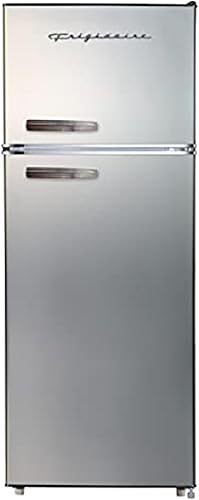


Prepare the Refrigerator for Moving
Start by emptying all food and removable shelves. If your fridge has an ice maker or water dispenser, turn off the water supply and disconnect the line. For models with manual defrost like the Frigidaire EFR753-PLATINUM, defrost and dry the interior to prevent mold. Tape doors shut with moving straps or rope to avoid them swinging open. Secure the power cord to the back with tape. For counter-depth models like the Samsung RF18A5101SR/AA, measure doorways and hallways to ensure clearance.
Gather the Right Moving Equipment
You need an appliance dolly with straps, moving blankets or padding, strong tape, a utility knife, and a friend. For heavy fridges over 200 pounds like the Haier QHE16HYPFS, use a dolly with a stair climber. Padding prevents scratches on stainless steel finishes common on models like the Summit Appliance AL55. Always lift with your legs, not your back, and keep the fridge upright to avoid oil leaking from the compressor.
Secure and Protect the Fridge During Transport
Wrap the refrigerator in moving blankets and secure with tape or stretch wrap. Use straps to secure it to the dolly. Keep the unit upright at all times. If you must tilt it (e.g., for stairs), tilt no more than 45 degrees and let it sit upright for 24 hours before plugging in. This allows compressor oil to settle. For large side-by-side models like the Haier QHE16HYPFS, consider professional movers due to weight and door clearance issues.
Move the Refrigerator Through Doorways and Stairs
Measure all doorways and stairwells before you start. Remove the fridge doors if needed. For French door models like the Samsung RF18A5101SR/AA, the doors can be unbolted. Use a dolly to navigate steps, have one person guide from above and one from below. For compact models like the Galanz GLR44BEER, you can often carry it with two people, but a dolly is still recommended to avoid strain.
Unload and Set Up the Fridge in Its New Location
Once at the new spot, remove the dolly and padding. Place the fridge on a level floor and adjust the leveling legs. Connect the water line if applicable and plug it in. Wait 2-4 hours before loading food to let the temperature stabilize. For units that were tilted, wait 24 hours. Check that doors seal properly and the compressor runs quietly. Most modern fridges like the Frigidaire FRQG1721AV have auto diagnostics that will alert you of issues.
When to Call Professional Movers
If you have a large fridge over 250 pounds, like the ZLINE Kitchen and Bath RFMZ-36-CB at 284.4 pounds, or a built-in unit with custom panels, professionals are worth the cost. They have the right equipment and insurance. For standard freestanding models under 200 pounds and a simple path, you can DIY it. But always weigh the risk of damage versus the cost of hiring help. A damaged compressor or dented door can cost more than a moving service.
Common Mistakes to Avoid When Moving a Fridge
Never lay a refrigerator on its back or side, this can damage the compressor and cause oil to enter the cooling lines. Don't move a fridge without defrosting if it has ice buildup, as water can damage electronics. Avoid using the doors as handles. Don't plug in immediately after moving; let it settle. Also, don't forget to tape shelves inside, they can slide and break. Finally, measure twice: many people get stuck in a hallway because they didn't check width.
Frequently asked questions
Can I lay a refrigerator on its side to move it?
No. Laying a fridge on its side can cause oil from the compressor to flow into the cooling lines, leading to permanent damage. Always keep it upright. If you must tilt it, tilt no more than 45 degrees and let it settle for 24 hours before plugging in.
How long should I wait to plug in a refrigerator after moving?
If the fridge stayed upright, wait at least 2-4 hours for the compressor oil to settle. If it was tilted, wait 24 hours. Plugging in too soon can cause compressor damage or poor cooling.
Do I need to defrost a refrigerator before moving?
Yes, if your fridge has manual defrost (like the Frigidaire EFR753-PLATINUM). Turn it off, remove food, and let ice melt. For frost-free models, you should still dry the interior to prevent mold and water damage during transport.
How much does it cost to hire professional refrigerator movers?
Costs vary from $100 to $500 depending on distance, stairs, and fridge size. For heavy models like the ZLINE RFMZ-36-CB (284 pounds), professional moving is recommended to avoid injury and damage.