How to Organize a Chest Freezer: A Step by Step Guide
A well organized chest freezer saves time and money. This guide covers baskets, labeling, and rotation strategies that keep your frozen food accessible and fresh for months.
The best way to organize a chest freezer is to use baskets or bins to create zones, label everything, and practice first in, first out rotation. Without a system, a chest freezer quickly becomes a black hole where small items sink to the bottom and get forgotten. Months later, you end up with freezer burn and wasted food.
To avoid that, start by grouping similar items together: meats in one basket, vegetables in another, frozen meals in a third. Use sturdy plastic or wire baskets that allow airflow. Keep a notebook or magnetic list on the door to track what's inside. The key is to make every item visible and easy to reach. This article covers practical steps you can take today to organize your chest freezer and keep it that way.


Use Baskets and Bins to Create Zones
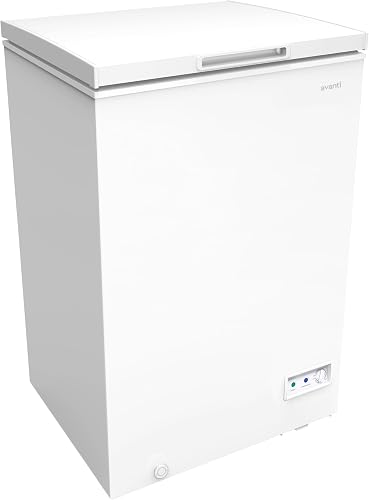
The biggest complaint about chest freezers is that things get buried. Baskets solve that by dividing the space into logical zones. For a 7.0 cu ft model like the Arctic King WHS 185C1WSB or the Koolatron KTCF195, two or three rectangular wire baskets work well. Assign one basket for meats, one for vegetables and fruit, and one for prepared meals or ice cream. Baskets with handles make it easy to lift out entire sections to reach items below. Avoid deep bins without handles, they are hard to pull out when full.
Label Everything with Dates and Contents
Frozen food all looks the same after a few weeks. That unlabeled package of mystery meat will sit untouched for a year. Use a permanent marker and freezer tape to write the contents and date on every package. For added clarity, keep an inventory list on the freezer lid or a nearby wall. A simple dry erase board works. Update it each time you add or remove something. This habit, which costs pennies, saves you from digging through frosty packages and guessing what they are. The few seconds it takes are worth the convenience.
Practice First In, First Out (FIFO) Rotation
FIFO means you use the oldest items first. When you add new frozen goods, place them at the bottom or back of the freezer, and move older items to the top or front. This prevents anything from sitting long enough to develop freezer burn. To make FIFO easy, keep a small section near the top for items that need to be used soon. Some owners use a tiered system: top basket for soon to eat, lower baskets for long term storage. With a little practice, it becomes second nature and reduces waste.
Keep a Map or List on the Lid
A visual map of your freezer layout saves time. Draw a simple diagram showing where each basket lives and what is inside. Tape it to the inside or outside of the lid. Update it when you rearrange. This is especially helpful when you have multiple people accessing the freezer. Instead of everyone digging through everything, they can glance at the map and grab what they need. For larger chest freezers like the NewAir NFT070GA00, a map prevents overstuffing and helps you plan grocery trips.
Avoid Overstuffing for Better Airflow
Chest freezers rely on cold air circulation to maintain even temperatures. If you cram it full with no gaps, some items may not freeze properly and others can thaw partially. Leave a few inches of space around baskets and along the walls. Do not stack items so high that they touch the lid, because that can interfere with the seal. A good rule is to keep the freezer 75 to 85 percent full. That provides enough thermal mass to hold temperature during power outages while still allowing air to move.
Use a Defrost Strategy to Manage Frost Buildup
Frost accumulates over time, especially if you open the lid frequently. Excess frost reduces usable space and makes it harder to organize. Plan to defrost your chest freezer once or twice a year. When you see frost thicker than a quarter inch, it is time. Move food to coolers, unplug the freezer, and let the frost melt. Use a plastic scraper, never a sharp object. While it is empty, wipe down the interior and reorganize your baskets. This is also a good time to update your inventory list.
Choose a Chest Freezer with the Right Size and Features
Organization starts with picking the right freezer for your needs. Compact models like the Avanti CF35F0W (3.5 cu ft) or the Koolatron KTCF99 (3.5 cu ft) are great for small households but require more frequent rotation. Mid size options like the Arctic King 7.0 cu ft or the Koolatron KTCF155 offer more room for baskets and bulk buying. Look for features like a removable basket, interior light, and a temperature alarm. A counterbalanced lid that stays open is helpful when you are loading or sorting. The right freezer makes organization easier from day one.
Frequently asked questions
What is the best way to organize a chest freezer?
Use baskets to create zones for different food types, label packages with dates, and practice first in, first out rotation. A map on the lid helps everyone find items quickly.
How often should I defrost my chest freezer?
Defrost once or twice a year, or when frost builds up to more than a quarter inch. Thick frost reduces efficiency and storage space. Plan ahead to move food to coolers during defrosting.
Can I use cardboard boxes in a chest freezer?
It is better to use plastic or wire baskets. Cardboard absorbs moisture, gets soggy, and can introduce mold. Baskets allow air circulation and are easier to lift out.
How full should a chest freezer be for best efficiency?
Keep it 75 to 85 percent full. This provides enough thermal mass to maintain temperature during power outages while still allowing cold air to circulate freely.