How to Organize a Fridge for Food Safety
Stop wondering if your fridge is safe. We break down the best way to organize shelves, drawers, and doors to keep food fresh and prevent illness.
The best way to organize a fridge for food safety is to store raw meats on the bottom shelf, ready-to-eat foods above, and keep dairy and eggs in the main body, not the door. This simple order prevents cross-contamination and maintains stable temperatures.
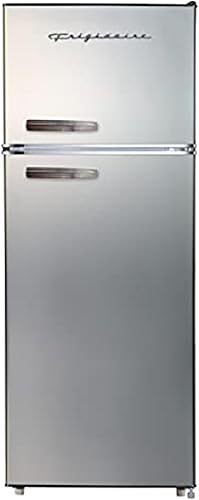
Knowing how to organize a fridge for food safety is more than just tidying up. It means understanding temperature zones: the coldest spots are near the back and bottom, while the door is the warmest. By placing foods based on their required storage conditions and cooking temperatures, you reduce spoilage and foodborne illness risk. Long term, buyers of models with adjustable shelves and clear bins find it easier to maintain these zones. The Frigidaire EFR753-PLATINUM, for example, has a top freezer and three shelves that make organizing simpler. Even compact units like the Galanz GLR44BEER can work well if you follow these rules.


Know Your Fridge's Temperature Zones
Every fridge has warm and cool spots. The back and bottom shelves are coldest, while the door is warmest. Use a thermometer to check: aim for 37-40°F in the main compartment. Store raw meat and seafood on the lowest shelf to prevent drips. Keep dairy and eggs on middle shelves where temperatures stay steady. Avoid storing milk in the door, where opening and closing cause fluctuations. Models with multiple shelves, like the Frigidaire EFR753-PLATINUM (4.1 stars, 586 reviews), give you flexibility to set up these zones. The Galanz GLR44BEER (3.9 stars) also has three shelves, though smaller capacity means less room for vertical separation.
Top Shelf: Ready-to-Eat Foods First
Place leftovers, deli meats, and prepared foods on the top shelf. These items are already cooked or safe to eat raw, so they must be above any raw meat to avoid contamination. Store them in sealed containers to maintain freshness and prevent odors. The Samsung RF18A5101SR/AA (3.9 stars, 23 reviews) has a French door layout with adjustable shelves, making it easy to dedicate the top shelf for ready-to-eat items. If you have a smaller fridge like the Galanz GLR44BEER, use the top shelf exclusively for these foods and keep raw meat below on the bottom shelf.
Middle Shelves: Dairy and Eggs
Dairy products, eggs, and leftovers that need moderate cold should go on the middle shelves. These shelves provide consistent temperature, which is critical for milk and yogurt. Eggs should stay in their original carton, not the door rack. The Frigidaire FRQG1721AV (4.3 stars, 268 reviews) offers a counter-depth design with adjustable shelves, perfect for organizing dairy. Even if your fridge lacks dedicated dairy bins, using a middle shelf with a clear bin helps keep everything visible and easy to grab.
Bottom Shelf: Raw Meat and Seafood
Raw meat, poultry, and seafood must be stored on the bottom shelf to prevent juices from dripping onto other foods. Place them on a plate or in a container to catch leaks. Keep them toward the back where it's coldest. The Haier QHE16HYPFS (side by side, 16.8 cu ft) has a roomy bottom shelf ideal for this. For smaller fridges like the Summit Appliance AL55 (2.0 stars, 1099.00), the bottom shelf is even more critical because space is tight. Always check that raw items are sealed tightly.
Crisper Drawers: Fruits vs. Vegetables
Crisper drawers help control humidity. Store fruits in low humidity (wider vent) and vegetables in high humidity (closed vent). Ethylene gas from fruits can spoil vegetables, so separate them. The Samsung RF18A5101SR/AA has two crispers, making separation easy. In a compact fridge like the Galanz GLR44BEER, you may only have one drawer, so use it for vegetables and store fruits in the main compartment. This extends the life of your produce and reduces waste.
Door Storage: Condiments Only
The door is the warmest part of the fridge, so reserve it for condiments, juices, and other items with high acidity or preservatives. Never store milk, eggs, or raw meat here. The Frigidaire EFR753-PLATINUM has door bins that are perfect for bottles and jars. The Samsung RF18A5101SR/AA offers four door bins, giving you plenty of space for condiments. By keeping the door for non-perishables, you maintain a stable internal temperature.
Freezer Organization for Safety
If your fridge has a freezer compartment, keep it organized to prevent freezer burn and cross-contamination. Store raw meat on the bottom and ready-to-eat foods above. Use airtight containers or freezer bags. The Frigidaire EFR753-PLATINUM has a top freezer with manual defrost, which requires periodic maintenance but keeps items frozen solid. The Haier QHE16HYPFS has an automatic defrost side-by-side freezer, easier for long-term storage. Regardless, label everything with dates to avoid eating expired food.
Frequently asked questions
Where should raw meat be stored in the fridge?
Raw meat should always go on the bottom shelf to prevent juices from dripping onto other foods. Place it in a container or on a plate, and keep it toward the back where the temperature is coldest.
Is it safe to store eggs in the refrigerator door?
No, eggs should be kept in their original carton on a middle shelf, not in the door. The door experiences temperature fluctuations that can spoil eggs faster.
What temperature should a refrigerator be set to for food safety?
Set your fridge to 37-40°F (3-4°C). Use a thermometer to verify, as built-in dials are often inaccurate. Temperatures above 40°F allow bacteria to grow.
How should I organize leftovers in the fridge?
Store leftovers on the top shelf in sealed containers, clearly labeled with dates. Keep them away from raw meat to avoid cross-contamination.