How to Organize a Refrigerator So Food Stays Fresh and Nothing Goes to Waste
A practical map of where every food belongs in the fridge, the cold and warm zones that decide how fast things spoil, and the habits that stop you throwing money away.
Most spoiled food in a refrigerator is not a sign the fridge has failed. It is a sign the food was put in the wrong place. A refrigerator is not one even box of cold air; it has zones that run several degrees apart, and putting milk in the door or raw meat on the top shelf quietly shortens the life of everything inside. Get the layout right and the same fridge, running at the same temperature, will keep food fresh noticeably longer.
This guide gives you a clear map of where each kind of food belongs, explains why those spots matter, and lays out the small habits that turn a chaotic shelf into a system that cuts waste. Whether you are reorganizing the fridge you own or sizing up a new one, the principles are the same, and they cost nothing to apply.


Your fridge has cold zones and warm zones
The first thing to understand is that the temperature inside a refrigerator is not uniform. Cold air sinks, so the lower shelves and the back of the cabinet are the coldest spots, while the upper shelves and especially the door are the warmest, because the door is exposed to room air every time it opens. This is why the place you store something matters as much as the temperature you set. The back of a lower shelf can sit several degrees colder than the front of the top shelf, and that gap is the difference between milk that lasts its full date and milk that turns early. Aim to keep the main compartment around 37 degrees Fahrenheit, then work with the zones rather than against them: put the things that spoil fastest in the coldest spots and the things that tolerate a little warmth where the air is milder. Once you see the fridge as a set of zones instead of one cold box, where everything goes starts to make sense.
Where each food actually belongs
With the zones in mind, a sensible layout falls into place. The upper shelves, where the temperature is steadiest, suit ready-to-eat foods that do not need the deepest cold: leftovers, drinks, herbs, and anything you want to see and grab. The lower shelves are the coldest part of the main compartment and are the right home for raw meat, poultry and fish, ideally on the bottom shelf and in a sealed container or on a tray so juices cannot drip onto food below. The crisper drawers are built to hold humidity, which keeps produce from wilting; use the higher-humidity setting for leafy greens and the lower-humidity setting for fruit that gives off ripening gases. The door is the warmest zone and the worst place for anything perishable, so reserve it for condiments, juices and other items that are forgiving of temperature swings. The single most common mistake is storing milk and eggs in the door for convenience; both keep far better on an interior shelf where the cold is steady.
Don't pack it solid, and don't leave it empty
Airflow is the quiet partner in keeping food fresh. A refrigerator cools by circulating cold air, and if you cram every shelf wall to wall, that air cannot move, leaving warm pockets where food spoils faster even though the dial says the right number. Leave gaps between items and keep the vents at the back clear so the cold can reach everything. The opposite extreme has its own problem: a nearly empty fridge has little cold mass to hold temperature, so it warms quickly every time the door opens and works harder to recover. The sweet spot is a fridge that is comfortably full but not jammed, with air able to flow around the food. If you routinely run almost empty, even a few jugs of water help stabilize the temperature; if you are always overflowing, that is a sign to declutter or to consider more capacity.
Container habits that buy you extra days
How you wrap and contain food matters as much as where you put it. Air and moisture are what turn fresh food stale, so transferring leftovers into airtight containers instead of leaving them in opened packaging slows spoilage and stops odors spreading from one food to another. Clear containers earn their keep by letting you see what is inside, because food you cannot see is food you forget and eventually throw out. Keep raw meat in a sealed container on the bottom shelf to prevent cross-contamination, and resist washing berries and delicate produce until you are ready to eat them, since surface moisture speeds up mold. Labeling containers with the date they went in turns guesswork into a quick glance, and that one habit alone prevents a surprising amount of waste. None of this requires special equipment; a set of sealable containers and a marker do most of the work.
The first-in, first-out routine that ends waste
Even a perfectly arranged fridge wastes food if older items vanish behind newer ones. The fix is a routine borrowed from every well-run kitchen: first in, first out. When you bring groceries home, move the older items to the front and put the new ones behind them, so you naturally reach for what needs eating first. Designate one spot, a shelf or a bin, as the eat-soon zone for leftovers and anything near its date, and check it before you cook. A quick weekly pass to pull anything past its prime keeps small problems from becoming a science experiment at the back of a shelf. These habits sound obvious, but they are where most of the savings come from; the layout sets you up to succeed, and the routine is what actually cuts the grocery money you would otherwise throw in the bin.
Keep it clean so it keeps food longer
A clean fridge is not just pleasant; it directly affects how long food lasts. Spills and forgotten produce breed bacteria and odors that transfer to fresh food and shorten its life, so wiping shelves as messes happen and doing a deeper clean every month or two pays off in freshness, not just appearance. While you are in there, check the door gaskets: if the seal is loose or hardened, warm air leaks in, the temperature drifts up, and everything spoils faster regardless of how well it is organized. A quick test is to close the door on a slip of paper, and if it pulls out with no resistance the seal needs attention. Keeping the interior clean and the door sealing properly are the unglamorous habits that let all the organizing actually do its job.
When organizing isn't enough: sizing the right fridge
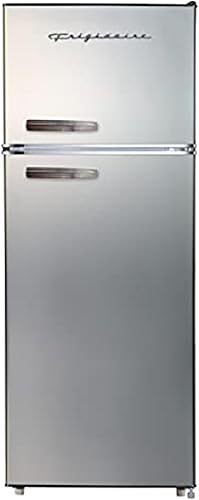
Organizing solves most freshness problems, but sometimes the real issue is the appliance. A fridge that is always overstuffed cannot circulate air no matter how neatly you pack it, and a unit that struggles to hold a steady temperature, especially an aging one or a compact model in a hot garage, will spoil food faster than any layout can fix. If you find yourself fighting the same battle every week, it may be time to match the fridge to how you actually shop and cook: enough capacity to leave breathing room, a configuration that puts the food you reach for most at a comfortable height, and steady, even cooling. Our refrigerators hub ranks current models by spec, price and verified buyer demand so you can compare real units on the numbers that matter for keeping food fresh. As reference points from current listings, the Frigidaire EFR753-PLATINUM is a budget top-freezer with hundreds of reviews behind it, the BLACK+DECKER BUC1700XB is a roomier compact with strong buyer demand, and the Frigidaire EF756MNT and FRQG1721AV cover upright and mid-size layouts with steady, even cooling that makes good organization easier to maintain.
Frequently asked questions
Where is the coldest part of a refrigerator?
The back of the lower shelves is the coldest part of the main compartment, because cold air sinks and the back sits furthest from the warm air that enters when the door opens. That is the best spot for raw meat, fish and anything that spoils quickly. The door is the warmest zone and the worst place for perishables.
Why shouldn't I keep milk and eggs in the fridge door?
The door is exposed to room air every time you open the fridge, so it runs warmer and swings in temperature more than the interior shelves. Milk and eggs keep far better on an interior shelf where the cold is steady. The door is best reserved for forgiving items like condiments and juices.
Does how full my fridge is affect how long food lasts?
Yes. A fridge that is packed solid blocks the airflow it uses to cool evenly, creating warm pockets where food spoils faster, while a nearly empty fridge has little cold mass and warms quickly each time it is opened. A comfortably full fridge with room for air to circulate keeps food freshest.
What is the simplest habit to stop wasting food in the fridge?
First in, first out. When you restock, move older items to the front and put new ones behind them, and keep one shelf or bin as an eat-soon zone for leftovers and anything near its date. Checking that spot before you cook, plus a quick weekly clear-out, prevents most fridge waste.