How to Read a Refrigerator Spec Sheet and Spot the Numbers That Matter
Two fridges can list nearly identical specs and live in your kitchen completely differently; this is how to read a refrigerator spec sheet so the figures, not the finish, settle your choice.
A refrigerator spec sheet is a wall of numbers and half-familiar words: cubic feet, counter-depth, frost-free, decibels, annual kWh. Most of it looks interchangeable, so buyers skim past it and decide on the door style or the price tag instead. That is exactly how people end up with a fridge that fits the wall but swallows half their groceries, or one that hums loud enough to hear from the next room.
The good news is that only a handful of those figures actually change daily life, and once you know which ones, a spec sheet becomes a fast filter rather than a fog. This guide walks through each number a refrigerator listing throws at you, in plain language, so you can compare two models honestly and shortlist the ones that genuinely fit your kitchen, your food and your budget.
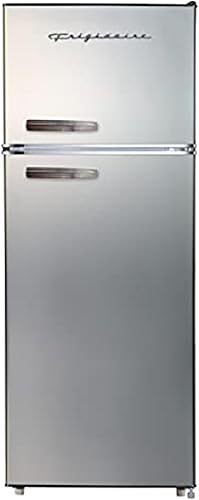


Capacity: total cubic feet versus usable space
Capacity is the headline figure, listed in cubic feet, and it is the easiest one to misread. The number on the sheet is total internal volume, but how much of it you can actually use depends on the layout. A side-by-side splits that volume into two tall, narrow columns, so a wide platter or a sheet pan simply will not fit even when the cubic-foot total looks generous. A French-door or top-freezer model with broad shelves makes the same number far more usable for real groceries. As a working rule, plan for roughly four to six cubic feet of fresh-food space per person, leaning higher if you cook from scratch or shop in bulk. When a listing breaks capacity into separate fresh-food and freezer figures, read both, because two fridges with the same total can devote very different shares to frozen storage.
Depth: the difference between counter-depth and standard-depth
Depth rarely gets the attention it deserves, yet it is the spec you feel every time you walk through the kitchen. Standard-depth refrigerators run roughly thirty to thirty-four inches deep and stick out several inches past typical base cabinets, which buys you more interior volume but a bulkier profile. Counter-depth models sit at around twenty-four to thirty inches so they finish nearly flush with the counter for a built-in look, trading away a few cubic feet inside to do it. Neither is better in the abstract: if the fridge tucks into a dedicated alcove where its bulk blocks nothing, standard-depth gives you more food storage per dollar; if it sits at the end of a cabinet run where everyone brushes past it, counter-depth is usually worth the smaller interior. Check the depth figure before you compare capacities, because a roomy standard-depth and a leaner counter-depth can occupy the very same footprint.
Defrost: frost-free versus manual, and why it matters
The defrost line on a spec sheet is short but decides a real chore. Frost-free, sometimes labeled automatic defrost, means the unit periodically warms its coils on a cycle so ice never builds up and you never have to empty and thaw the box. Manual-defrost designs skip that cycle, which makes them slightly more efficient and a little quieter, but they ask you to defrost by hand once frost accumulates. On a main kitchen refrigerator that you open dozens of times a day, frost-free is almost always the sensible choice, because manual defrosting a fridge is a tedious job most owners put off too long. Manual defrost turns up far more often on chest and upright freezers, where the door opens less and the efficiency edge is worth the occasional thaw. If the listing does not say, treat the absence as a question to resolve before you buy.
Cooling system: compressor versus thermoelectric
Almost every full-size refrigerator runs on a compressor, the same proven technology that has cooled fridges for decades. It pulls temperatures down hard, holds them steadily, and copes with a warm room, which is why it is the standard for anything meant to keep food safe. The alternative you will see on small units is thermoelectric cooling, which is quieter and has no moving compressor but cannot reach as low a temperature and struggles when the surrounding room gets warm. That distinction matters most at the compact end of the market: a tiny thermoelectric unit may be fine for drinks in an air-conditioned office but disappointing as a true food fridge in a hot garage. For any refrigerator you expect to keep groceries cold and safe, a compressor is the spec to look for, and it is one place where the cheaper-sounding technology is genuinely the lesser choice.
Temperature control and the numbers that keep food safe
A spec sheet should tell you how the fridge sets temperature, and the answer affects food safety more than buyers expect. Favor a model with an adjustable temperature control over a fixed dial or a vague cold-warmer slider, because keeping food safe means holding the fresh-food section at or below forty degrees Fahrenheit and the freezer at zero. Models with a digital readout or precise thermostat make it easy to dial in and verify those targets; cruder controls leave you guessing. Some listings also note dual cooling or separate controls for the fridge and freezer sections, which helps each compartment hold its own temperature without one pulling the other off target. None of this is exotic, but it is the difference between a fridge you can trust with raw groceries and one you are constantly second-guessing.
Noise and energy: the specs you live with for years
Two figures govern how a fridge feels and costs over its decade-plus life, and both are easy to overlook on the showroom floor. Noise is published as a decibel rating when the maker bothers to list it, and it matters most in open-plan kitchens where the compressor cycle is the hum you actually live with; lower is quieter, and a missing rating on a unit destined for a living space is worth chasing down. Energy is the other slow cost. The clearest signal is an ENERGY STAR rating, which means the model meets independent efficiency benchmarks and typically runs cheaper than an unrated unit of the same size. If the listing gives an estimated annual energy use in kilowatt-hours, multiply it by your local electricity rate to turn it into a yearly dollar figure, then compare two contenders on the same footing. A slightly pricier, well-rated fridge often wins once you fold in years of bills.
Putting the numbers together to shortlist real models
Once the individual specs make sense, the spec sheet stops being a wall of jargon and becomes a checklist. Confirm the external dimensions clear your opening and delivery route, then check that the usable capacity and layout suit how you shop, that the defrost and cooling specs match where the fridge will live, and that the noise and energy figures are ones you can live with. Only after a model clears those filters does the finish or the feature list become a tie-breaker. The last step is to let real owners settle the call: watch the number of reviews, not just the star score, since reliability and noise surface across hundreds of buyers long before they appear on any spec sheet. That is exactly the legwork our refrigerator picks do for you, ranking current models on capacity, configuration, price and verified buyer demand so you can jump straight to the units whose numbers, and whose owners, actually hold up.
Frequently asked questions
Which refrigerator spec matters most when comparing models?
Fit and usable capacity come first. The external dimensions must clear your opening and delivery route, and the cubic-foot figure only helps once you factor in layout, since a side-by-side and a French-door with the same total volume store food very differently. After that, defrost type, cooling system, temperature control, noise and energy efficiency sort the contenders.
Is counter-depth or standard-depth better?
Neither is better in the abstract. Standard-depth gives more interior volume for the money and suits a fridge tucked into a dedicated alcove. Counter-depth sits nearly flush with cabinets for a built-in look at the cost of a few cubic feet, which is worth it where the fridge's bulk is obvious in the room.
What does frost-free actually mean on a spec sheet?
Frost-free, or automatic defrost, means the fridge periodically warms its coils so ice never builds up and you never have to empty and manually thaw the box. Manual-defrost models skip that cycle for slightly better efficiency but require you to defrost by hand, which is why frost-free is the sensible pick for a busy kitchen fridge.
How do I turn an energy spec into a real cost?
Find the estimated annual energy use in kilowatt-hours on the listing and multiply it by your local electricity rate per kWh to get a rough yearly dollar figure. Comparing two fridges on that number, alongside the ENERGY STAR rating, shows which one is genuinely cheaper to run over its ten-to-fifteen-year life.