How to Store Cheese in the Fridge: Keep It Fresh Longer
Cheese stays fresher when stored right. This guide covers wrapping methods, ideal fridge zones, and which refrigerators help maintain consistent temperature and humidity for your cheese collection.
The best way to store cheese in the fridge is to wrap it in wax paper or cheese paper, then place it in a loose plastic bag or a dedicated cheese drawer with controlled humidity. This method allows the cheese to breathe while preventing it from drying out or absorbing odors.
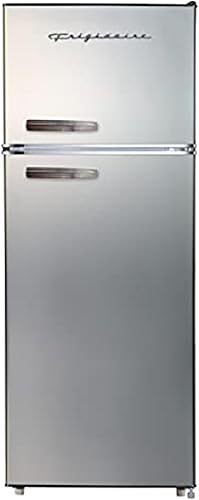
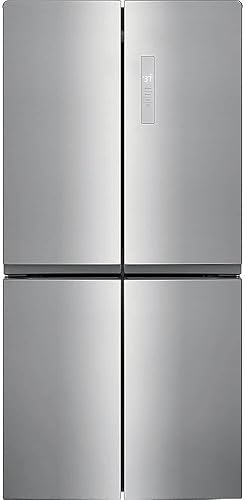
Many people toss cheese in the fridge without thinking, only to find it moldy or dried out days later. The key to longterm satisfaction is understanding that cheese is alive and needs a stable, slightly humid environment. A refrigerator with consistent temperature and a dedicated cheese drawer makes a difference. For example, the Frigidaire EFR753-PLATINUM has a good size and solid temperature control, while the Samsung RF18A5101SR/AA offers a French door layout with a deli drawer that works well for cheese. For smaller collections, a compact fridge like the Galanz GLR44BEER can be set to the right zone. The right fridge helps your cheese stay fresh weeks longer.

Use the Right Wrapping Materials
Cheese needs to breathe. Avoid plastic wrap directly against the cut surface it traps moisture and leads to ammonia flavors or sliminess. Instead, use wax paper or cheese paper, which lets moisture escape while keeping humidity balanced. Wrap snugly but not airtight, then place inside a reusable plastic bag or container with a slightly open lid. For soft cheeses like brie, use a container with a lid that is not sealed tight. Hard cheeses like cheddar can handle wax paper alone. Many buyers of the Frigidaire EFR753-PLATINUM report that after months of use, their cheese stays fresh longer when they combine proper wrapping with the fridge's consistent cooling.
Pick the Coldest Spot in Your Fridge
The warmest part of a fridge is the door, and the coldest is usually the back of a lower shelf or a dedicated drawer. Cheese does best at 34-38 F, which is colder than the typical 40 F of most refrigerator sections. If your fridge has a cheese or deli drawer, use it. The Samsung RF18A5101SR/AA features a fullwidth drawer with adjustable temperature, which buyers appreciate for keeping cheese at the ideal zone. In fridges without a dedicated drawer, store cheese on the middle shelf toward the back. Avoid the door, where temperature fluctuates every time you open it.
Control Humidity for Different Cheese Types
Soft cheeses (brie, feta, fresh mozzarella) need higher humidity to prevent drying out. Store them in a container with a damp paper towel or use the original packaging if it's breathable. Hard cheeses (parmesan, aged gouda) prefer lower humidity wax paper alone works well. A fridge with adjustable humidity drawers is a big plus. The Frigidaire FRQG1721AV, for instance, has a crisper drawer with humidity control, and while it's often used for produce, many owners repurpose it for cheese. Just keep strong odored cheeses separate or doublewrap them to avoid flavor transfer.
Avoid Cross Contamination of Odors
Cheese absorbs odors from strong foods like onions, fish, and leftovers. To prevent that, wrap cheese tightly and store it in a sealed container or dedicated drawer. If your fridge has a carbon filter for odors, that helps. The Samsung RF18A5101SR/AA includes a deodorizer filter, which reviewers mention keeps the interior fresh even when storing multiple cheese types. As a rule, keep blue cheese in a separate container because its mold spores can affect other cheeses. Label each cheese and rotate older pieces to the front so you eat them first.
Check Your Fridge Temperature Regularly
A fridge thermometer is a small investment that pays off. The ideal range for cheese is 34 F to 38 F. Many fridges, especially compact ones like the Galanz GLR44BEER, may have temperature swings of a few degrees. Owners of the Galanz note that while it is affordable and looks great in blue, you need to monitor the actual temperature with an external thermometer. The Frigidaire EFR753-PLATINUM, with over 550 reviews and a 4.1star rating, is reported to hold steady temperatures, which is why it's a popular choice for cheese storage according to longterm buyers.
Do Not Freeze Cheese Unless Necessary
Freezing changes the texture of cheese due to ice crystal formation, making it crumbly and watery upon thawing. If you must freeze, cut cheese into small portions, wrap in plastic wrap then foil, and freeze for no more than 3 months. Thaw slowly in the fridge. Hard cheeses freeze better than soft ones. For everyday storage, rely on proper fridge conditions. A fridge with automatic defrost like the Samsung RF18A5101SR/AA prevents frost buildup, which helps maintain humidity levels inside the cheese drawer.
Clean Your Fridge Drawers Regularly
Spills and leftover crumbs can mold and affect cheese stored nearby. Wipe down cheese drawers and shelves every couple of weeks with a mild baking soda solution. The Frigidaire FRQG1721AV has removable glass shelves that make cleaning easy. A clean fridge not only keeps cheese safe but also prolongs the life of your appliance. Many buyers of the Frigidaire EFR753-PLATINUM appreciate the easyclean interior, which they say keeps their cheese tasting fresh months after purchase.
Frequently asked questions
Should I store cheese in the fridge door?
No. The fridge door is the warmest part and subject to temperature fluctuations every time you open it. Cheese is best stored on a middle or lower shelf toward the back, or in a dedicated cheese drawer where the temperature stays consistent.
Can I freeze cheese to make it last longer?
Yes, but it changes the texture. Freezing makes cheese crumbly and watery upon thawing. Hard cheeses like cheddar freeze better than soft ones. Cut into portions, wrap in plastic and foil, and freeze for up to 3 months. Thaw slowly in the fridge before using.
How do I prevent cheese from getting moldy in the fridge?
Use breathable wrapping like wax paper or cheese paper, not plastic wrap. Keep cheese in a humidity controlled drawer if possible. Check your fridge temperature stays between 34 F and 38 F. Clean the drawer regularly to avoid cross contamination from mold spores.
What type of fridge is best for storing cheese?
A fridge with a dedicated cheese or deli drawer with adjustable temperature and humidity is ideal. French door models like the Samsung RF18A5101SR/AA often have such drawers. For smaller budgets, the Frigidaire EFR753-PLATINUM has consistent temperature control valued by longterm users.